

Don’t think the salad recipes need to be a sad lettuce leaf nosediving into a pool of dressing. These 14 incredible recipes will transform how you think about fresh salads. From protein-filled bowls to sweet and savory medleys, these healthy meals will make you see that vegetables are both nutritious and delicious.
Because there’s nothing dull or unsatisfying about a great salad and yet many people dismiss it out of hand. But with the right components, the food really fills you up and tastes amazing. These vegetable dishes all contain just a few ingredients you can pick up at any supermarket.
So, let’s explore these delicious selections that will make you love to eat healthy.
Why These Fresh Salads Are So Superior to Typical Lettuce Bowls
Many classical salads disappoint because of a dearth of variety and substance. These recipes remedy that issue by incorporating a variety of textures, flavors and nutrients into every bite.
All of the meals have some source of protein, good fats, and complex carbs. This combination will keep you full for hours while giving you the vitamins your body needs!
Best of all, these salad ideas taste so great you’ll forget you’re eating a healthy meal. The trick is to achieve balance between sweet, salty, tangy and savoury.
The Perfect Salad Formula
All great salads adhere to a basic formula:
Greens: Spinach, arugula, romaine, or mixed greens for the base
Protein: Chicken, beans, eggs, cheese, nuts or tofu
Good fats: Avocado, olive oil, or seeds
Crunch factor: Nuts, seeds or crunchy vegetables
Flavour enhancements: Herbs, spices or dried fruit
14 Salad Recipes That Are Actually Satisfying And Taste Great
1. Mediterranean Chickpea Power Bowl
A protein-packed salad that features chickpeas, cucumber, tomatoes, and feta. The lemon-herb dressing brings such bright flavors to the salad, making each bite ever so exciting.
Ingredients:
- 2 cups mixed greens
- 1 cup cooked chickpeas
- 1 cucumber, diced
- 1 cup cherry tomatoes
- 1/2 cup crumbled feta cheese
- 1/4 cup red onion, sliced very thin
Toss it all with olive oil, lemon juice, oregano and black pepper. Here is a nourishing meal that has all the essential amino acids and that keeps you full for hours.
2. Asian Sesame Chicken Crunch
Crispy veggies and chicken that melts in your mouth, you cannot go wrong here! The sesame dressing brings all the flavors together like a perfect peace offering.
Key ingredients:
- Grilled chicken breast
- Cabbage and carrots
- Bell peppers
- Edamame beans
- Sesame seeds
The crunch from the fresh vegetables is such a great contrast to the soft chicken. Meanwhile, the sesame dressing contributes nutty depth that makes this dish addictive.
3. Southwest Black Bean Fiesta
This bright salad puts Mexican flavours on your plate. Black beans offer protein while corn and peppers contribute sweetness and crunch.
Main components:
- Black beans
- Corn kernels
- Red bell peppers
- Avocado slices
- Lime-cilantro dressing
Each bite brings something different to experience. The lime dressing ties it all together — bright and zesty.
4. Greek Goddess Salad
This is Greek salad, jazzed up. With additional vegetables and a yogurt dressing, it’s heartier and healthier too.
Fresh ingredients:
- Romaine lettuce
- Cucumber chunks
- Kalamata olives
- Cherry tomatoes
- Greek yogurt dressing
The yogurt dressing adds probiotics while keeping calories slim in comparison with the standard offering. This is one of those vegetable recipes that shows that you don’t have to give up taste to eat healthy.
5. Apple Walnut Autumn Mix
Sweet apples and toasted walnuts make the perfect fall salad! And the maple vinaigrette does so without overtaking the lightness of the fresh ingredients.
Seasonal elements:
- Mixed baby greens
- Honeycrisp apple slices
- Toasted walnuts
- Dried cranberries
- Goat cheese crumbles
This sweet and savory combination is just right! The nuts offer healthy fats, which boosts the body’s ability to absorb vitamins from the vegetables.
6. Taco Tuesday Salad Bowl
All of your favorite taco flavors in salad form. This recipe is just the solution when you’re craving Mexican food, but trying to keep it fresh and healthful.
Taco-inspired ingredients:
- Romaine lettuce base
- Seasoned ground turkey
- Black beans
- Corn salsa
- Avocado and lime
The seasoned turkey supplies lean protein and the beans provide fiber. The combination adds sturdiness, and fresh salsa keeps everything zesty.
7. Caprese Garden Fresh
Simple and elegant, this is a salad to make again and again, one in which classic Italian flavors assert themselves without flourishes. Fresh basil is everything in this summer dish.
Simple perfection:
- Fresh mozzarella balls
- Cherry tomatoes
- Fresh basil leaves
- Arugula base
- Balsamic glaze
The secret to this salad is using the best ingredients you can find. In tomato season, this dish is just magical.
8. Protein-Packed Quinoa Bowl
Quinoa brings nuttiness and complete protein to this hearty salad. The roasted vegetables release their natural sugars, which pairs well with the nutty quinoa.
Nutritious foundation:
- Cooked quinoa
- Roasted sweet potatoes
- Brussels sprouts
- Pumpkin seeds
- Tahini dressing
This is also a perfect meal for meal prep. It tastes better, in fact, after spending the night in the fridge.
9. Thai Peanut Paradise
Big Thai flavours elevate everyday vegetables in this explosive dish. The peanut dressing makes it creamy without being overbearing.
Exotic combination:
- Shredded cabbage
- Carrots and bell peppers
- Fresh herbs (mint and cilantro)
- Crushed peanuts
- Lime-peanut dressing
The herbs are crucial in this dish. They are fresh and are just what the richness of the peanut flavours need.
10. Strawberry Spinach Summer
Peppery spinach may seem incongruous with sweet strawberries, but they complement each other in a surprisingly beautiful way. This salad is perfect for summer and great for eating al fresco.
Sweet and savoury:
- Baby spinach
- Fresh strawberries
- Pecans
- Goat cheese
- Poppy seed dressing
The inherent sweetness of strawberries means you can use less sugar in the dressing. This means it is healthier, but still decadent.
11. Loaded Cobb Classic
All the usual Cobb salad suspects, artfully arranged. This robust salad functions as a full meal hearty enough even for big appetites.
Traditional elements:
- Mixed greens
- Hard-boiled eggs
- Bacon bits
- Blue cheese
- Avocado slices
The secret is stacking everything in neat rows. This gives the salad a restaurant-like appearance, as well as making sure that each bite has different flavors.
12. Kale Caesar Revolution
Kale Caesar is a sleek update of the classic romaine. The kale retains more nutrients while holding up better than delicate lettuce.
Upgraded classic:
- Massaged kale leaves
- Homemade croutons
- Parmesan cheese
- Caesar dressing
- Anchovies (optional)
When you massage the kale with a little olive oil and salt, it becomes much more pleasant to consume. It’s a step that is key to success in this vegetable recipe.
13. Roasted Beet Rainbow
Perhaps you have been put off by the dreary look of boiled or canned beets. The earthy sweetness is a great match for tangy goat cheese and crunchy nuts.
Vibrant ingredients:
- Mixed coloured beets
- Arugula base
- Goat cheese crumbles
- Candied walnuts
- Orange vinaigrette
Roasting beets concentrates their natural sugars and renders them tender beyond belief. This method of cooking takes the humble beet to a special place.
14. Power Green Detox Bowl
This salad is loaded with healthy greens and superfoods that will fuel your body. And despite being healthy, it actually tastes incredible.
Superfood combination:
- Kale and spinach mix
- Avocado chunks
- Chia seeds
- Fresh lemon juice
- Olive oil drizzle
Sometimes the simplest ingredients have the most amazing results. This simple combination is all the proof you need that good-for-you meals needn’t be fussy.
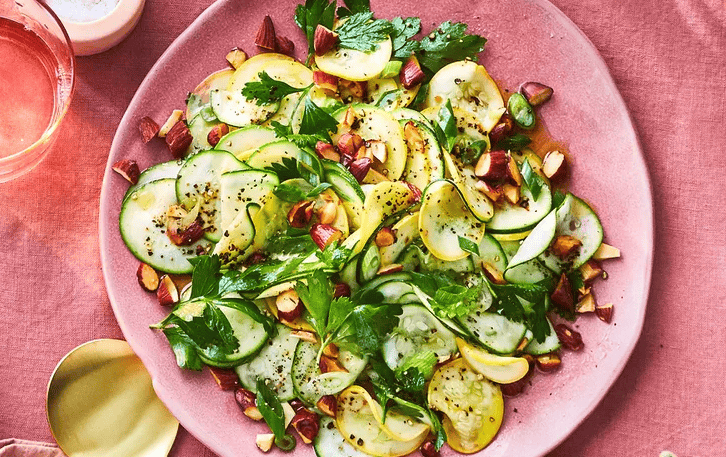
How to Make Salad Recipes More Exciting
Add Unexpected Textures
Textures—soft, crunchy, and chewy—lend to an intriguing eating experience on each bite. Consider tossing in some roasted chickpeas for extra crunch or dried fruit for more chew.
Varying textures ensure that a salad is never boring, making eating it filling as well as enjoyable. And this little trick turns a few humble ingredients into something special for a meal.
Balance Your Flavors
Fresh salads should be a study in balance of sweet, salty, tangy and savory. Don’t be afraid to include a bit of sweetness with fruit or honey.
You’re going to taste as you build your salad. Tweak the flavors until they sing in unison; until all elements are getting along so well that you can’t pull them apart.
Prep Ingredients in Advance
Preparing and chopping vegetables in advance makes healthy meals more accessible. You can keep these prepped ingredients in the refrigerator to make assembly fast.
Pre-cut or otherwise prepared ingredients make it more likely that these vegetable recipes will show up on your table when you’re busy or tired.
Invest in Good Dressing
Dressings are one of the easiest things to make at home and the taste is infinitely better than the store-bought kind with fewer chemicals. They’re also a lot simpler to make than you would think.
A good dressing can transform basic foods into restaurant-quality dishes. Keep some prepared choices in your fridge.
Common Salad Mistakes to Avoid
Using Only Iceberg Lettuce
Iceberg lettuce is nearly void of nutrients when compared to darker greens. Opt for spinach, arugula, or romaine for something healthier and more flavorful.
The darker the greens, the more vitamins, minerals and antioxidants. They also taste more exciting than plain old iceberg lettuce.
Overdressing Your Salad
An excess of dressing can drown out lettuce’s fresh, clean flavor. Use less than you think necessary at first and add more to taste.
A well-dressed salad should do justice to the inherent flavors of its constituents, not cover them up entirely.
Forgetting About Protein
If you don’t have protein in your salad, you’ll be starving again in one hour. Make sure to include beans, nuts, eggs, or meat to build complete meals that will fill you up.
Protein can stabilize blood sugar in addition to keeping you full. This keeps you from snacking unhealthily later in the day.
Get Prepared with these Healthy Meals
Storage Tips for Fresh Salads
Refrigerate wet and dry ingredients separately to prevent wilting. Dressings should be kept in small containers and added before eating.
Salad ingredients stored this way will last 3-4 days in the refrigerator. This makes meal preparation so much easier.
Best Containers for Salad Prep
For keeping prepped salads, your best containers are lidded glass jars from quality kitchen storage collections. They don’t hold odors and keep ingredients fresher longer.
Strategically layer ingredients so that the dressing ends up on the bottom and the salad greens on top. It keeps everything fresh and prevents any soggy leaves.
Batch Cooking Proteins
Prepare proteins in bulk: Instead of grilling a single chicken breast, for example, grill all the chicken breast that you can fit on the grill. This way, during the craziness of the week, salads can be put together much more quickly.
Cooked meats keep for 3-4 days in the fridge. Such planning makes a healthy diet immeasurably more feasible.
Seasonal Ingredients for Year-Round Variety
Spring Vegetables
Spring brings us the first fresh peas, asparagus and tender lettuce. These tender vegetables shine in light dressings that complement rather than overwhelm their delicate flavors.
Use spring ingredients while they are at their flavorful peak. Seasonal eating also saves money.
Summer Abundance
In summer we have tomatoes, cucumbers, corn and berries. With these, you get refreshing salads that are great for summer dining.
When the heat picks up, a cold salad can seem even more irresistible. Summer vegetables take hardly any coaxing to taste great.
Fall Harvest
The arrival of autumn means apples, pears, winter squash and hearty greens. These elements make hearty salads that feel right for the cooler weather.
In fall salads, roasted vegetables add warmth and comfort. They are also higher in calories when you require more energy.
Winter Warmth
The bounty of winter vegetables, such as kale, Brussels sprouts and citrus, lends themselves to healthy, cold-weather eating. Heartier elements play well with richer dressings.
Don’t stop eating salads just because the weather has turned cold. Cold weather adaptations can be just as delicious as their warm counterparts.
Budget-Friendly Approaches to Fresh Salads
Shop Seasonal Produce
In-season vegetables are usually cheaper and better tasting than out-of-season ones. Base your salad recipes on what you can currently afford.
Seasonal produce is often priced better at farmers markets. They also have varieties you won’t find at a regular grocery store.
Buy in Bulk
Buy nuts, seeds and dried fruit from the bulk section of the store. If stored properly, they will keep for months, which means you can save money.
You should buy in bulk, especially when it comes to pantry staples you use in many salad recipes. This reduces per-serving costs significantly.
Grow Your Own Herbs
Herbs from the store cost a fortune, but are easy to grow. Fresh herbs can transform even the most basic ingredients with flavors you expect from a restaurant — all of which are available in a small herb garden.
Herbs can be grown in pots on windowsills — even apartment dwellers can grow fresh fragrant leaves. It’s amazing how fresh herbs can transform even the most pedestrian vegetable recipe into something extraordinary.
Making Salads Kid-Friendly
Fun Presentation Ideas
Arrange bright, colorful ingredients in rainbow patterns or fun shapes. Since kids eat with their eyes first, appearance counts.
Involve children in assembling their own salads. They are more likely to eat vegetables that they’ve prepared themselves.
Mild Flavors for Young Palates
Begin with favorite vegetables and mild dressing. If you want your child to be a more adventurous eater, this is a good place to start.
Healthy vegetables hidden in familiar dishes help to develop young palates. No one ever notices the finely diced veggies in favorite dishes.
Interactive Elements
Offer a few different salad dressing options so kids can personalize their salads. This gives children control over their eating.
Turn salad assembling into a game or a family project. This fosters positive feelings about healthy eating.
Frequently Asked Questions
How long do homemade salads last?
Most salads, as long as they are kept in the refrigerator, will last 2-3 days. Do not toss with dressing until ready to eat to avoid wilting.
Sturdier ingredients such as kale and cabbage keep longer than delicate greens. Indeed, some salads get better after soaking overnight.
Can I prepare these salad recipes in advance?
Yes, many of these recipes are also great for meal prep. Keep your wet and dry ingredients separate and add them together when you’re ready to eat.
Prep vegetables and proteins on Sunday for easy salads during the busy workweek. This is what makes healthy eating manageable, as recommended by nutrition experts at the Academy of Nutrition and Dietetics.
What is the best way to wash salad greens?
Rinse greens in cold water and spin in a salad spinner to dry. Remove extra moisture to avoid early wilting and watered-down dressings.
Clean, dry leaves keep better and hold dressing better. This one extra step makes a huge difference in the quality of salads.
How can I make salads more satisfying?
Include protein-rich options such as beans, nuts, eggs or meat. Add healthy fats like avocado or olive oil to help keep you full.
Protein and healthy fats slow the digestion process and help you feel full for longer. This eliminates the need for unhealthy snacks between meals.
Are these healthy recipes good for weight loss?
The vegetable recipes included here are low in calories and nutrient dense. They are helpful in controlling your weight if you have them as part of a balanced diet.
Portion size is key, and steer clear of high-calorie add-ons like too much cheese or nuts. Vegetables are high in fiber, which can help you feel full on fewer calories.
Which vegetables are most suitable for cold salads?
Fresh, crunchy vegetables such as bell peppers, cucumber and carrots stand up well in chilled preparations. Steer clear of vegetables that get mushy when cold.
Blanched vegetables like broccoli or green beans are good, too. Be sure to cool them completely before you add them so that they don’t wilt other ingredients.
Transform Your Eating Habits Today
These 14 salads demonstrate that healthy eating doesn’t have to be a chore for your taste buds. Each dish is a mix of healthy ingredients that actually taste good.
Begin with one or two recipes, preferably the ones you’re most excited about. Once you get the hang of these combinations, feel free to create your own and experiment with flavors.
Keep in mind that the best kind of diet is the one you can maintain over the long term. These refreshing salads and meals make eating healthy anything but a punishment.
Your taste buds — and your body — will thank you for opting for these healthy, delicious vegetable recipes over a bowl of bland lettuce or processed foods.