

The best blenders for smoothies are like hitting the easy button for your health. Whether you’re on the go, or simply want to make a point of incorporating more vegetables into your and your family’s diet, having the best blender for countertops at your disposal can make all the difference. A good smoothie maker whirs frozen fruits, leafy greens and protein powders into luscious creaminess in seconds.
Modern kitchen appliances are some of the most powerful tools available to cooks. Yet not all blenders are created equal in the smoothie department. Some can’t handle frozen ingredients; some release chunks of ice into your drink. Which is why we’ve tested dozens and dozens (and dozens) of blenders, and can confidently shout from the rooftops about the following seven, all of which have proven themselves dependable time and again, delivering results from velvety smooth to straight-up restaurant-quality.
This guide has everything from affordable picks to professional-grade machines. You will learn which features really matter, how much power you really need, and why some blenders are ten times as expensive as others. By the time you finish reading, you’ll have no doubt which smoothie maker needs a permanent place on your counter.
Why Your Blender Might Not Be Living Up to Expectations
A lot of people are frustrated by the lackluster smoothie. Their drinks are chunky, watery or flat. It’s generally not the recipe that is the problem, it’s the blender.
Less expensive blenders often have weak motors that do not crush ice well. They use dull blades that rip instead of cleanly cut ingredients. This results in a gross texture that can render even the healthiest smoothie unpalatable.
Temperature also plays a role. Cheap motors are also quick to overheat, and the heat can warm your smoothie, compromising valuable nutrients. And in the case of poorly designed containers, air pockets impede smooth blending.
The good news is that all these issues are solved with the right equipment. High-quality kitchen appliances produce better results more quickly, stay cooler, and produce better results more consistently.
What Puts the Best Blenders in a Class of Their Own
The best smoothie blender shares a few key features. They have a high speed, powerful motor which keeps speed constant under load. The motor never bogs down or gets choked up when you introduce frozen strawberries, or ice cubes.
Second, top quality blenders have sharp, well designed blades. These blades generate a vortex that changes food’s form by sucking it downwards toward the blade. This way nothing will clump and no chunks are left behind.
Third, the top blenders have good containers. Container shape has an impact on how ingredients flow while blending. The perfect container also has good circulation flow, there are no dead spots, and you always get a flow of current.
Finally, quality construction materials matter. Heavy-duty plastics are resistant to scratching and staining, and metal parts won’t wear out from daily use. These features can seem little, but they all add up to a much better user experience.
Best Blenders for Smoothies in 2025: Reviews and Buyer’s Guide
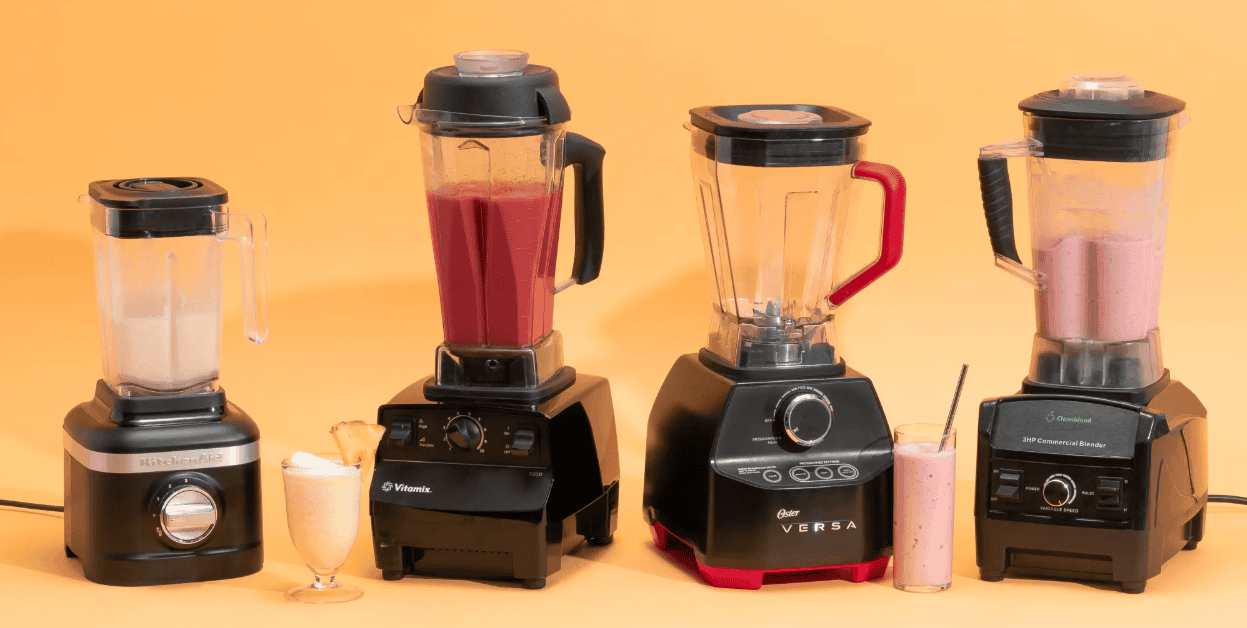
Vitamix 5200 Professional Series
The Vitamix 5200 is considered the gold standard of countertop blenders. This is a workhorse of a blender, professional-grade power that crushes even the toughest of ingredients to create perfectly smooth purees.
Key Features:
- 2 HP motor with variable speed control
- Aircraft-grade stainless steel blades
- 64-ounce BPA-free container
- 7-year warranty coverage
The variable speed dial puts you in control of texture. Begin slowly to chop coarsely, and then increase the speed for final blending. This keeps things from getting stuck and makes sure your ingredients are always distributed evenly.
Considering how powerful it is, the 5200 is relatively quiet. The motor remains cool throughout use, keeping the nutrition and flavor of the smoothie and other food. But all that next-level action does mean a next-level price tag too.
Best For: Hardcore smoothie enthusiasts who desire restaurant-quality results and don’t mind spending on top-tier appliances.
Ninja Professional BL610
The Ninja BL610 is proof that you don’t have to break the bank for solid smoothie performance. This affordable model makes a surprising cut based on its specialized blade and strong motor.
Key Features:
- 1000-watt motor with pulse technology
- Total Crushing blades with 3 levels
- 72-ounce pitcher plus personal cups
- Dishwasher-safe components
The Total Crushing technology utilizes stacked blades at multiple levels. This produces multiple cutting surfaces that pulverize ice and create smooth and creamy ingredients for the most delicious drink recipes.
The difference between the BL610 and other models is its versatility. The large pitcher accommodates family-sized portions, and the included to-go cups enable you to make single servings. This is another good option to buy if your family has varied preferences and demands different smoothies daily.
Best For: Families seeking a versatile budget-friendly smoothie maker that can accommodate different portion sizes.
Blendtec Classic 575
Although their aesthetic has evolved, simplicity and brute force are what got Blendtec their name. The Classic 575 maintains their tradition of well-built high-powered blenders and adds features sure to meet your needs.
Key Features:
- 3-horsepower motor with preset cycles
- Patented fifth-side blade design
- Square-shaped jar for better blending
- 8-year warranty on motor
The programmed smoothie setting automatically processes the smoothie for the ideal amount of time. Just load it up, press the button and walk away. The blender will speed up, blend at maximum speed and then shut off on its own.
The square jar design may look strange, but it’s actually designed that way for a reason. The sharp corners generate more turbulent flow patterns, forcing ingredients to move away from the sides. As a result, more complete mixing occurs with fewer manual interventions.
Best For: People with busy schedules who want easy-to-use features with little cleanup and maximum convenience.
Cuisinart Hurricane Pro CBT-2000
Delivering commercial-grade power at a consumer-friendly price, the Hurricane Pro starts with a high performing, versatile engine that produces exceptional blending results. With its sturdy build and smart features, it’s a top choice for home cooks who mean business. For those looking to explore more high-quality kitchen appliances, this model represents excellent value in the premium segment.
Key Features:
- 3.5-horsepower motor with electronic controls
- BPA-free 60-ounce Tritan jar
- LED countdown timer display
- Preset programs for different textures
The moment you press the power button and until the moment the blender stops, it adjusts the speed to optimize blending efficiency. This keeps tender ingredients from getting over-blended, and helps everything else get well processed.
The LED timer displays exactly how long your smoothie has been blending. This allows you to create identical drinks every time and guards against over-processing your beverage.
Best For: Home cooks who value precise control and desire commercial-quality performance without commercial prices.
Oster Versa Pro BLSTVB-RV0-000
The Versa Pro punches above its weight class. It’s solidly in the middle of the range in terms of price, but includes many of the features you’d expect from a far more expensive machine.
Key Features:
- 2.2-horsepower motor with variable speed
- Dual-direction blade technology
- 64-ounce low-profile jar
- Pre-programmed smoothie setting
The dual-direction blade technology automatically rotates the blades in both directions during blending, so you don’t have to change the blade’s motion. This allows more circulation and helps to eliminate food pockets around the blades.
The low profile design tucks away underneath standard kitchen cabinets and simplifies storage. The 64-ounce capacity can accommodate large batches, despite its compact height.
Best For: Those who want premium features and performance, but cannot spend top dollar.
KitchenAid K150 3 Speed Ice Crushing Blender
The professionals at KitchenAid have such a trusted name that many homemakers fill their homes with KitchenAid appliances, and for good reason. Fundamentally, the K150 is all about getting the basics right with that all-important build quality you expect from the brand.
Key Features:
- Asymmetrical blade design for better flow
- Die-cast metal base construction
- Soft-start feature protects motor
- Available in multiple color options
The asymmetrical blade position creates better ingredient flow and reduces the need for manual intervention while blending. This design detail makes a big difference in blending performance, particularly for thick smoothie mixtures.
The soft-start function begins slowly to prevent splashing of ingredients. This not only saves your kitchen counter from spills, it also protects the motor from stress.
Best For: Brand devotees who cherish iconic design, solid performance, and reasonable pricing.
Hamilton Beach Professional Quiet Blender 58770
Some mornings you need to blend without rousing the whole house. The Hamilton Beach 58770 addresses this issue with innovative sound-dampening technology. According to Consumer Reports, noise reduction is becoming an increasingly important factor for consumers when choosing kitchen appliances.
Key Features:
- Quiet operation sound enclosure
- 1500-watt peak power motor
- Programs for different smoothie types
- BPA-free 48-ounce jar with measurements
The sound enclosure cuts blending noise by 35 decibels. That allows you to whip up smoothies at any time without waking sleeping family members or roommates.
Despite the noise reduction, the motor has plenty of power for frozen ingredients and crushing ice. The various speed settings adjust blending power to match the consistency of your smoothie ingredients.
Best For: Early risers, city-dwellers, and those who value peaceful morning routines.
Key Features to Look For in Smoothie Machines
Motor Power and Performance
Motor power is the first thing you notice when you hit the ON switch of your blender. But wattage alone tells only part of the story. Peak horsepower numbers can be misleading as they represent what the motor produces at peak performance under ideal conditions.
Look for continuous power ratings instead. A 1000-watt blender with steady output may outperform a 1500-watt model that peaks at 800 watts continuous. This steady power maintains performance even when the container is full of frozen fruit.
Heat buildup also matters. Good motors remain cool during prolonged operation, keeping essential nutrients from getting damaged by excessive heat.
Blade Design and Materials
Blade shape affects how ingredients move around the blender. Traditional straight blades work well with liquids, but struggle with thick mixtures. Angled or curved blades generate better circulation which helps prevent ingredients from sticking.
Stainless steel blades last longer than cheaper alternatives. They also resist corrosion from acidic fruits and vegetables. Some brands have proprietary blade designs that enhance specific types of blending.
More blades isn’t always better. Quality two-blade systems often outperform poorly designed four-blade setups. Focus on quality and design over quantity.
Container Size and Shape
Container size should match your typical batch size. Single-serving smoothie makers excel at individual portions but struggle with family-sized batches. Larger containers handle big batches well, but may not work effectively with small amounts.
Shape affects blending performance too. Tall, narrow containers create powerful vortexes that draw ingredients downward. Wide containers make it easier to scrape thick mixtures but may require more liquid for effective blending.
Some blenders come with multiple container sizes. This flexibility allows you to optimize blender performance for different recipes and serving sizes.
Budget vs Premium Options: Price Range Comparison
Budget Blenders ($50-$150)
Entry-level smoothie makers focus on basic functionality. They typically have enough power for simple fruit smoothies, but may struggle with frozen ingredients or tough items like kale.
Common limitations include:
- Weaker motors that slow under load
- Plastic blades that dull quickly
- Limited warranty coverage
- Louder operation
Despite these limitations, budget options work well for occasional use or basic recipes. They’re perfect for testing whether smoothie-making fits your lifestyle before investing in premium equipment.
Mid-Range Blenders ($150-$400)
This category offers the best value for most users. Mid-range smoothie makers provide significant power improvements over budget models and often include convenient features.
Expect improvements like:
- Stronger motors with consistent performance
- Stainless steel blades for durability
- Pre-programmed settings for various smoothies
- Better warranty coverage
These blenders handle frozen ingredients easily and produce consistently smooth results. They strike the right balance of performance and price for regular smoothie enthusiasts.
Premium Blenders ($400+)
High-end kitchen appliances offer maximum power, advanced features, and commercial-grade construction. They excel at demanding tasks like crushing ice, pulverizing tough vegetables, and achieving ultra-creamy textures.
Premium features often include:
- Variable speed control for texture customization
- Sound enclosures for quieter operation
- Extended warranties with comprehensive coverage
- Professional-grade materials and construction
These machines are long-term investments in performance and durability. They maintain consistent results through years of daily use.
How to Make the Best Smoothie, According to Experts
Ingredient Order Matters
The order you add ingredients to your blender affects blending efficiency. Start with liquids to help blades move freely. Add soft fruits next, followed by harder vegetables, with frozen ingredients last.
This layering strategy prevents air pockets from forming around the blades. It also keeps solid ingredients from settling at the bottom where they might not blend properly.
Different blenders may work better with alternative strategies. Experiment with your specific machine to find the optimal loading order for your favorite recipes.
Liquid Ratios for Perfect Consistency
Too little liquid creates thick smoothies that strain the motor. Too much liquid results in watery drinks without body or flavor intensity.
Start with a 2:1 ratio of solids to liquids. Gradually adjust based on your texture preferences and ingredient types. Frozen fruits require more liquid than fresh ones.
Coconut water, almond milk, or fresh juice are excellent liquid choices that add flavor while achieving proper consistency. Plain water works in a pinch, but flavored liquids contribute additional taste complexity.
Temperature Control for Nutrient Preservation
Excessive heat destroys delicate vitamins and enzymes in fresh ingredients. Quality blenders shouldn’t generate enough heat to significantly warm your smoothie during normal operation.
Keep ingredients as cold as possible by using frozen components when available. Pre-chill fresh fruits and vegetables if you’re making large batches or blending for extended periods.
Some nutrients actually become more bioavailable after blending, not less. The mechanical breakdown helps your body absorb nutrients that might otherwise pass through undigested.
Maintenance and Cleaning for Long Lifespan
Daily Cleaning Routines
Proper blender maintenance extends component life and ensures optimal performance. Rinse the container immediately after use to prevent residue from hardening on surfaces.
For quick cleanup, add warm water and a drop of dish soap to the container. Blend for 30 seconds, then rinse thoroughly. This removes most residue without requiring disassembly.
Blade assemblies can be removed for thorough cleaning. While some models feature dishwasher-safe parts, others require hand washing to prevent damage.
Blade Sharpening and Replacement
Sharp blades are essential for smooth smoothies. Dull edges tear ingredients rather than cleanly cutting them, resulting in poor texture.
Quality stainless steel blades typically stay sharp for years with proper care. Avoid blending extremely hard items like coffee beans or whole spices unless your blender is specifically designed for those tasks.
When blades do dull, replacement parts are usually available from manufacturers. This is much more economical than purchasing a new blender.
Motor Care and Troubleshooting
Motors last longest when operated within their design parameters. Never run empty or with insufficient liquid, which can cause overheating and damage internal components.
If your blender begins operating roughly or making unusual noises, stop using it immediately. These symptoms often indicate worn bearings or blade assembly problems that require professional evaluation.
Regular maintenance includes checking and tightening mounting screws and ensuring proper blade assembly. Loose components can cause vibration and premature wear throughout the machine.
Energy Efficiency and Kitchen Space Considerations
Power Consumption Patterns
Modern blenders balance performance with energy efficiency. High-end models may use more electricity per minute of operation, but complete tasks faster, often using less total energy.
Look for appliances with Energy Star ratings when available. These certifications indicate the appliance meets strict efficiency standards without sacrificing performance.
Usage patterns matter too. Many short blending sessions typically consume less power than fewer long ones, assuming total blend time remains constant.
Counter Space and Storage Solutions
Countertop real estate is precious in many kitchens. Consider available space when choosing between compact and full-size models.
Some blenders store more efficiently than others. Models with removable containers often pack smaller than those with permanently attached pitchers.
Built-in accessory storage and cord management keep work areas organized. These features not only prevent lost components but also make the blender more convenient for daily use.
Frequently Asked Questions
What is the difference between a blender and a smoothie maker?
A smoothie maker is a specialized type of blender specifically designed to handle frozen fruits, ice, and liquid-heavy recipes. They typically feature more powerful motors and blades optimized for these ingredients. Regular blenders are more versatile but may not blend frozen smoothie ingredients as consistently.
How much should I spend on a quality smoothie blender?
You can find excellent smoothie makers in the $150-$400 range. Budget models under $100 handle basic smoothie making but may lack power for consistent frozen ingredient processing. Premium models over $400 offer professional capabilities that exceed most consumers’ needs.
Can I put hot ingredients in my blender?
Warm ingredients are generally safe in most blenders, but extremely hot liquids can create pressure and potentially damage containers or cause dangerous splattering. Check your owner’s manual for temperature limits and consider cooling ingredients to room temperature before blending.
Why does my smoothie separate after blending?
Separation occurs due to ingredient density differences and insufficient emulsification. Adding natural emulsifiers like yogurt or nut butter helps ingredients stay combined. Proper blending technique and adequate liquid also prevent separation.
How often should I replace blender blades?
Quality stainless steel blades can last 5-10 years with proper care. Replace blades when smoothies become lumpy or stringy despite adequate liquid and proper technique. Longer blending times and uneven textures signal dulling blades.
What’s the best container material for smoothie blenders?
BPA-free Tritan plastic offers the best combination of performance, safety, and convenience for smoothie making. Glass containers are heavier but don’t absorb odors or stains. Avoid older plastic containers that may contain BPA or other harmful chemicals.
Do all blenders handle leafy greens well?
Processing leafy greens into smooth textures requires powerful motors and proper technique. High-end blenders pulverize greens completely while budget models may leave chunks. Add liquid first and start at low speeds to break down tough fibers before increasing to full power.
How can I reduce blender noise in my kitchen?
Look for models with sound enclosures or quiet operation features. Place rubber mats under blenders to reduce vibration transmission. Operate during appropriate hours and use pulse modes instead of continuous blending to minimize noise.
Making Your Final Decision
Which blender you choose depends on your specific needs, budget, and smoothie-making style. The Vitamix 5200 remains our top pick for performance and durability, making it ideal for serious smoothie enthusiasts. For families wanting versatility without premium pricing, the Ninja BL610 offers the best value.
The Blendtec Classic 575 suits busy individuals who prioritize convenience features. The Hamilton Beach 58770 addresses a common concern for early risers in shared living spaces – morning noise.
Consider your long-term smoothie goals when making this investment. A quality countertop blender enables healthy habits by making nutritious smoothies convenient and delicious. The best smoothie maker is an investment in better health and more convenient, restaurant-quality beverages at home.
Remember, the best blender for smoothies is the one that gets used most often. Whether you choose budget-friendly options or invest in high-quality kitchen appliances, consistent use will ultimately deliver the health benefits and lifestyle improvements you desire.
Start with your must-have features, add a touch of want-to-have, and a pinch of budget reality, then select the model that best matches how you use your kitchen. With any of these seven excellent choices, you’re on your way to creating fantastic, healthy smoothies that rival anything from high-end juice bars.