
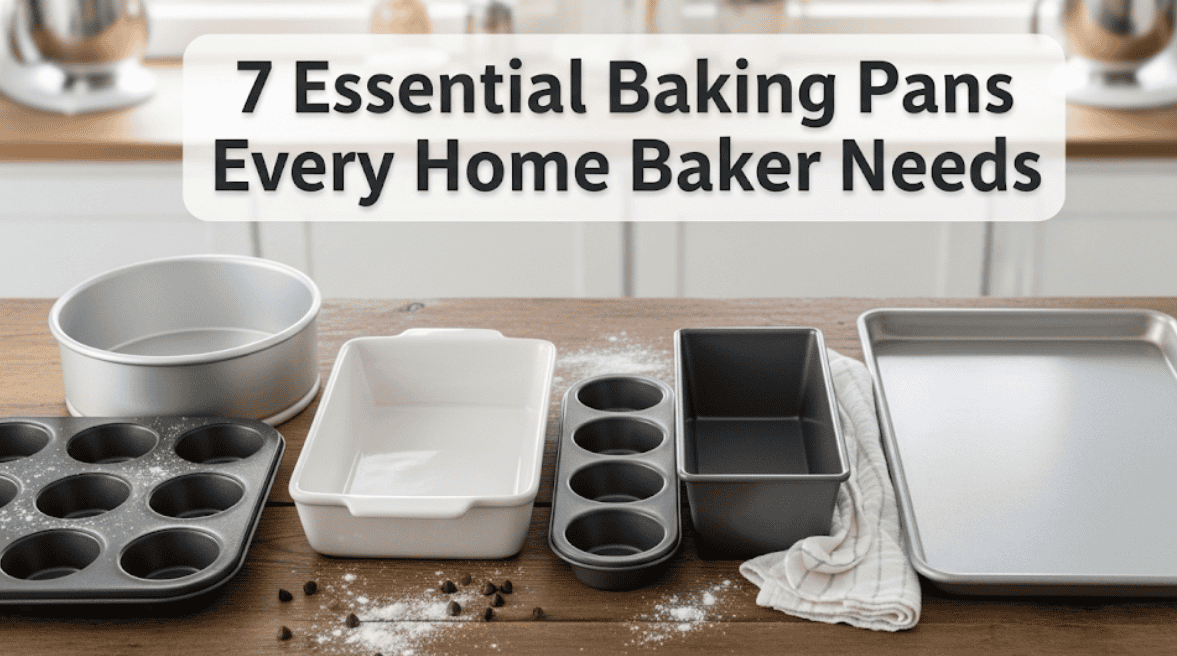
Getting started can seem daunting when you’re confronted with lists of any equipment. But you don’t actually need every gadget to make incredible treats at home. Good baking pans are the building blocks of your baking repertoire.
Whether you’re an utter novice or someone hoping to up your kitchen game, this is a guide to the pans you really do need that produce reliably good outcomes. These seven basic items will be adequate for about 90% of your baking needs without destroying your budget.
Why QQPETS Baking Pans is the Best Choice for You?
Good baking pans are something you just can’t do without in the kitchen. Cheap, flimsy pans create uneven heat and burnt edges and raw centers. Plus, good baking pans cook your goodies uniformly.
The materials from which your pans are made can also affect baking times and browning behavior. Dark pans absorb more heat and brown food faster than light pans. Which is to say you might need to play around with temperatures and timing, depending on your equipment.
Proper pan size also matters more than most people realize. It will alter your batter’s thickness, which in turn will change how long you need to bake something and the textural outcome. A recipe written for a 9-inch round cake pan won’t behave the same way in an 8-inch pan.
The Complete List of Must-Have Baking Pans
Round Cake Pan Set (9-inch)
You’ll want to have at least two 9-inch round cake pans. This size cake pan is great for layer cakes, single-layer cakes and even savory dishes like quiche.
Seek pans that are 2 inches deep. Too-shallow pans overflow; too-deep ones affect baking times. The most versatile type of pan is probably the straight sided aluminum pan.
Best uses:
- Birthday cakes
- Coffee cakes
- Upside-down cakes
- Deep-dish pizzas
Pro tip: Purchase like pans from a single manufacturer. This is to help ensure your layer cakes bake more evenly.
Rectangular Sheet Pan (Half-Sheet Size)
A half sheet pan is 18 x 13 inches and tackles a slew of baking tasks. This alternative to a cookie sheet gives you more space than traditional cookie sheets.
Pick heavyweight aluminum with rolled edges. The rim guards against warping and helps keep the pan steady when you’re pulling it from a very hot oven. For most cookies, light-colored pans are preferable to dark ones.
Best uses:
- Chocolate chip cookies
- Sheet cakes
- Roasted vegetables
- Jelly roll cakes
Storage tip: These pans nest well and can accommodate most standard ovens with a little room to spare.
Loaf Pan for Breads and Quick Breads
A 9 x 5-inch loaf pan yields picture-perfect sandwich bread and banana bread. This size is the standard for just about all of the bread recipes you will read on the internet or in cookbooks.
Metal pans also brown bread crusts more than glass pans. But glass allows visibility of bottom browning development. Depending on your preference in style of baking; either would likely work.
Best uses:
- Banana bread
- Pound cake
- Meatloaf
- Sandwich bread
Size counts: Don’t swap loaf pans of different size without adjusting recipes accordingly. Changes to depth and width can affect rising and baking times.
Muffin Tin for Individual Treats
A basic 12-cup muffin pan raises endless possibilities beyond the ordinary muffin. Each cup measures out about 1/3 cup batter, a nice way to keep portions in check.
Nonstick bakeware in particular is great for muffins, which tend to stick easily. Seek out heavy-gauge metal that won’t warp in high heat. Liners made of silicone or paper cups make for even easier removal.
Best uses:
- Blueberry muffins
- Cupcakes
- Individual quiches
- Mini meatloaves
Cleaning tip: Soak caked-on muffin batter in warm soapy water for 15 minutes before scrubbing.
Square Pan to Bake the Cake in (8×8 or 9×9 inches)
Brownies, bars and small casseroles work great in square pans. The 8×8 inch size is good for smaller families and 9×9 inch is better for larger groups.
Metal pans help brownies form crisper edges. Glass pans bake more gently and allow you to check the bottom without removing from the oven. Each material is great for different results.
Best uses:
- Fudgy brownies
- Lemon bars
- Coffee cake
- Small casseroles
Recipe conversion: Adapt the baking time to be about 5 minutes shorter if using an 8×8 pan instead of a 9×9.
Pie Pan for Pastries and More
A 9 inch pie pan with fluted edges bakes attractive pies and tarts. Glass pans can show crust browning, and metal ones transfer heat quicker for crispier bottoms.
Deep-dish pie pans are generous, but require added time in the oven. For most recipes, standard depth is fine with no adjustments.
Best uses:
- Apple pie
- Quiche Lorraine
- Chicken pot pie
- Cheesecake
Crust tip: Pre-baking empty pie crusts (blind baking) prevents soggy bottoms with custard pies.
Bundt Pan for Show-Stopping Cakes
These pans may be the best way to get impressive cakes with little to no decorating. The center tube ensures that thick batters bake through without leaving you with a raw center in, say, a more solid cake.
For Bundt pans, you’ll definitely want nonstick bakeware, as the intricate designs cause major sticking issues. A well-greased and floured pan means you won’t have any release disasters.
Best uses:
- Pound cake
- Coffee cake
- Monkey bread
- Savory bread
Release secret: Allow Bundt cakes to cool for exactly 10 minutes before inverting. Too early and it will break, and too late it sticks.
Material Guide: What Type of Baking Pans to Choose
Aluminum Baking Pans
Aluminum heats evenly and will not warp at higher temperatures. For more delicate goods, like cookies and cakes, light-colored aluminum is the best choice.
Pros:
- Even heat distribution
- Lightweight and durable
- Reasonably priced
- Works with all ovens
Cons:
- Can react with acidic foods
- Not all are dishwasher safe
- May discolor over time
Nonstick Bakeware Options
Nonstick bakeware facilitates easy release, though the pans can still require delicate handling. Avoid metal utensils and abrasive cleaners to prevent scratching of the coating.
Pros:
- Easy food release
- Simple cleanup
- Less oil needed
- Great for sticky items
Cons:
- Coating can wear off
- More expensive initially
- Can’t use cooking spray
- Heat limitations
Stainless Steel Choices
Stainless steel is the forever material, and durable at any temperature. But it does not distribute heat as evenly as aluminum without an aluminum core does.
Pros:
- Extremely durable
- Dishwasher safe
- No coating to worry about
- Professional appearance
Cons:
- More expensive
- Heavier than aluminum
- Can have hot spots
- Requires more greasing
Quick Guide: Standard Baking Pan Sizes
| Pan Type | Standard Size | Capacity | Best For |
|---|---|---|---|
| Round Cake Pan | 9″ x 2″ | 6 cups | Layer cakes |
| Sheet Pan | 18″ x 13″ | N/A | Cookies, sheet cakes |
| Loaf Pan | 9″ x 5″ x 3″ | 8 cups | Quick breads |
| Muffin Tin | 12 cups | 1/3 cup each | Muffins, cupcakes |
| Square Pan | 8″ x 8″ or 9″ x 9″ | 8-10 cups | Brownies, bars |
| Pie Pan | 9″ diameter | 5 cups | Pies, quiches |
| Bundt Pan | 10-12 cup | 10-12 cups | Dense cakes |
Smart Shopping Tips for Budget-Friendly Baking Pans
Start with Basic Sets
There are even starter sets, which many manufacturers sell for a reduced price as a price per-piece lower than regular prices. These sets normally have the most common shapes and sizes. For quality options and comprehensive guides on kitchen essentials, check out DTDF Home and Kitchen.
Look for sets that include:
- Two round cake pans
- One sheet pan
- One loaf pan
- One muffin tin
When You Should Invest In High-End Pans
Invest in pans you’ll use all the time. A nice cookie sheet is a good investment if you bake cookies once or more a week. Specialty pans that are used only occasionally are, of course, more likely to be basic.
Premium features worth paying for:
- Heavy-gauge construction
- Reinforced rims
- Superior nonstick coatings
- Lifetime warranties
Secondhand and Outlet Options
You would be surprised how cheap commercial-grade bakery supply stores sell their baking pans. These pans can withstand heavy use and will last for decades.
Thrift stores almost always have vintage pans of higher quality than the budget options available today. Look for warping and deep scratches before purchase.
Care and Maintenance: How to Make Your Baking Pans Last
Proper Cleaning Techniques
Hand washing also lengthens the life of all baking pans, including those that are dishwasher-safe. Most of the residue comes away with hot soapy water and without a heavy scrub.
For stuck-on food:
- Soak in lukewarm water for 15 minutes
- Use a plastic scraper for gentle removal
- Make a paste with baking soda for tough stains
- Rinse and dry completely
Storage Solutions
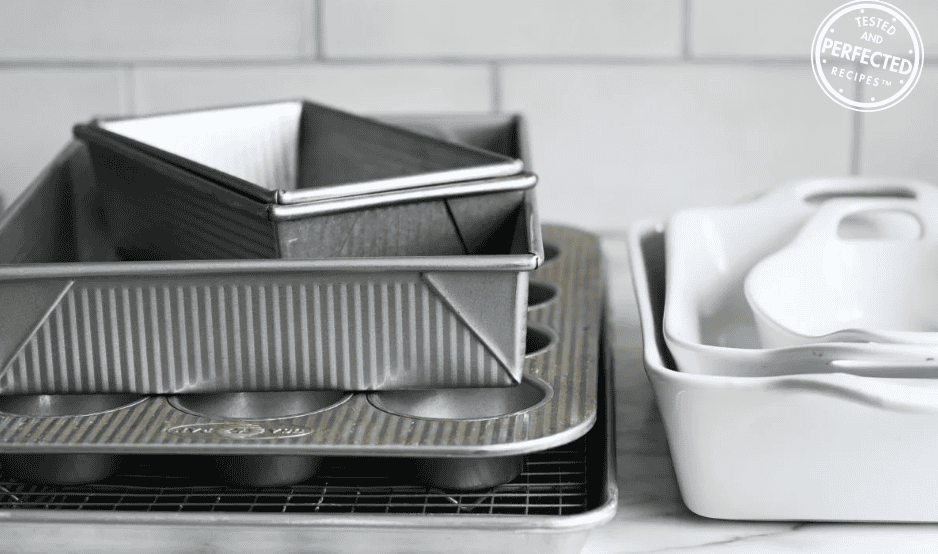
Place pans together with protective barriers to avoid scratching. Cloth towels, paper towels, or pan protectors are great for them, if you’re nesting pans.
Store Your Nonstick Bakeware With Care: To properly store your nonstick baking sheets and cake pans, protect against scratching by layering them with paper towels. Even fine scratches can ruin the coating and cause sticking.
When to Replace Old Pans
If your pans give you these warning signals, replace them:
- Warped bottoms that cause rocking
- Deep scratches in nonstick coatings
- Rust patches that won’t come off
- Bent or damaged rims
Troubleshooting Common Baking Pan Problems
Uneven Browning Issues
The main culprit is usually hot spots in your oven or a warped pan. Halfway through baking, rotate pans in oven from front to back to reverse positions of pans from top to bottom.
Light pans will brown more gently than dark. When changing from light to dark pans, reduce temperatures by 25°F.
Sticking Problems
And proper preparation is better at preventing sticking than anything expensive you might coat those pans with. Use the appropriate amount of grease for each recipe and type of pan.
For most pans:
- Butter or oil the surface
- Dust with flour
- Tap out excess flour
For chocolate items:
- Substitute cocoa powder for flour
- Prevents white flour residue
- Better flavor match
Size Substitution Guidelines
When recipes ask for pan sizes you don’t own, volume is more important than dimensions. An 8×8-inch square pan is equal to a 9-inch round cake pan.
Quick conversion tips:
- 9″ round = 8″ square = 9×5″ loaf
- 2 8″ rounds = 1 9×13″ rectangle
- Adapt the cooking time to the thickness variations
Budget-Friendly Alternatives and Substitutions
Disposable Pan Options
Aluminum disposable pans are fine for the occasional baking or the gifting of treats. They have good heat transfer, but are not durable with regular use. According to The Spruce Eats, disposable aluminum pans work well for specific situations but shouldn’t replace quality bakeware for regular use.
Best uses for disposables:
- Potluck contributions
- Gift baking
- Camping trips
- Large batch cooking
Multi-Purpose Pan Usage
Get the most from your investment by using baking pans for more than just baking. Sheet pans cook roasting vegetables, loaf pans cook meatloaf, and muffin tins cook individual appetizers.
Creative alternatives:
- Round pans for deep-dish pizza
- Muffin tins for portion control
- Sheet pans for meal prep
- Loaf pans for small casseroles
DIY Solutions for Missing Sizes
Use aluminum foil dividers in large pans to make custom pan sizes. This is especially nice if you are making many small things in sheet pans.
Parchment paper slings are the key to removing any pan of treats. Cut strips longer than the pan so the ends hang over the sides for easy lifting.
Frequently Asked Questions
What is the difference between cookie sheets and sheet pans?
Cookie sheets have one or more flat edges so cookies can be easily pushed off the side. Sheet pans, which have raised rims around all four sides, are used to contain dishes with liquid batters or toppings that could slosh over the edges.
Can I use glass baking pans instead of metal?
Glass pans work for most recipes, but you may need to adjust the temperature. Glass baking pans will cause you to drop the oven temperature by 25°F. Glass is also slow to heat up and cool down.
How can I tell when it’s time to replace nonstick bakeware?
Discard nonstick bakeware when food sticks to the surface and the coating is no longer visible, or when the nonstick coating is peeling off or flaking or if the bakeware appears scratched. Nonstick coatings typically last about 3-5 years with regular use.
Do I really need to buy expensive baking pans, or can I just get the cheap stuff?
High-quality baking sheets are easy to grip so you can lift them with ease. But you don’t need the priciest versions. The best value for most home bakers comes from mid-range pans made by reputable brands.
What size muffin tin should I purchase?
Most recipes are good in a standard 12-cup muffin tin. The cups are approximately 1/3 cup each. Mini muffin tins produce bite-size treats, while jumbo tins yield bakery-style large muffins.
Can I put all of my baking pans in the dishwasher?
Baking pans are not all dishwasher safe. Nonstick coatings can degrade in the dishwasher, and some metals may tarnish. Refer to the manufacturer’s instructions and hand wash if unsure.
What’s the secret to keeping cake from sticking to the pan?
Proper preparation prevents sticking more effectively than expensive nonstick coatings. Generously grease the pan, dust with a little flour, and knock out the excess. Or if you’re making something like a chocolate cake, you can replace the flour with cocoa powder.
What Is the Best Material for Cookie Sheets?
Aluminum cookie sheets (both standard and the insulated variety) work well, provide good browning and don’t warp easily. Stay away from dark surfaces that brown cookies too readily. Heavy-gauge construction ensures even heat distribution.
Conclusion: Assembling the Perfect Baking Pan Collection for You
These are the 7 must-have baking pans you’ll need to do most home baking. Begin with good basics and eschew the temptation to purchase every specialty pan you may never need.
But, technique counts more than equipment. Proper preparation, temperature control, and timing make better results than expensive pans with bad technique.
Start with a few and grow your collection as your interest grows. A few good, flexible baking pans are better than a dazzling array of specialty pieces languishing in the cabinet.
More importantly, select pans that best suit the frequency with which you bake and your budget. The best baking pans are those you reach for time and time again to prepare baked goods for family and friends.
With these essential kitchen tools at your disposal, there are no desserts you can’t handle, from basic chocolate chip cookies to showstopping layer cakes. Happy baking!