

The right rice cookers can turn your kitchen into a healthy cooking powerhouse. And thanks to these flexible appliances, you can now cook tasty low-sodium recipes with the confidence to know you’re not missing out on your favourite flavours. No matter if you’re watching your blood pressure or if your heart health concerns are leaving you considering the “rice cooker” option in your cart, the right rice cooker can make a world of difference.
How Rice Cookers Help You Cook Healthier
Rice cookers are no longer just for cooking rice. Modern models provide advanced technology with exact temperature control, not to mention various cooking settings and steam which preserves nutrients and decreases the need for added salt.
Health Benefits of Low-Sodium Cooking
Lowering the amount of salt in our diets has a number of health benefits. For one, it keeps your blood pressure in the healthy range. And there’s everything to be said for low-sodium cooking that depends more on natural herbs and spices – two of the places we get a bundle of flavor and nutrients from.
According to the American Heart Association, we shouldn’t be taking in any more than 2,300 milligrams of sodium a day. But most Americans take in close to 3,400 milligrams a day. Rice cookers are a handy way to solve this problem as you have full control over what’s in the mixture from beginning to end.
Rice Cookers for Healthy Meal Preparation
Contemporary rice cookers are becoming very good at producing healthy, nearly-sodium-free meals. They steam vegetables really well, cook grains without having to add any oil, and get to and stay at that perfect temperature for exactly long enough to keep in all that natural richness. In addition, several models have built-in healthy-cooking settings for various cuisines.
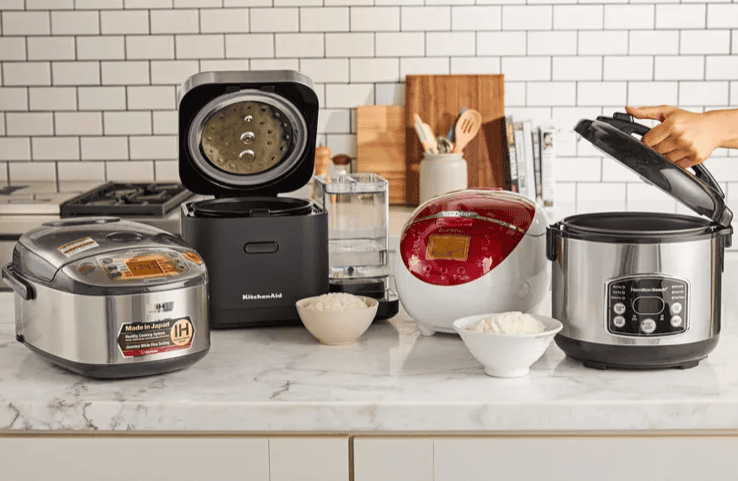
8 Best Rice Cookers for Low-Sodium Cooking
1. Zojirushi Neuro Fuzzy Rice Cooker
The Zojirushi Neuro Fuzzy is the top pick for health-conscious chefs. This sophisticated rice cooker is designed with fuzzy logic technology that automatically adjusts the temperature and cooking time.
Key Features:
- 10 pre-set cooking settings including brown rice and quinoa
- Vegetable and protein steam tray
- Inner pan with grip handle for easy carry
- Retrievable and washable flat lid for no-mess clean up
- Keep-warm function maintains food safety temperatures
Why It’s Good for Low-Sodium Cooking: Perfect temperature control that results in evenly cooked grains without the risk of burning. This also means you don’t have to add any salt to cover overdone tastes. The large, 3-quart steam tray is large enough to cook three vegetables at the same time.
Price: £200-250
Capacity: 5.5 cup uncooked rice
2. Instant Pot Duo Plus Multi-Cooker
It’s a “do it all” type of kitchen appliance, as this bad boy does everything from cooking rice, pressure cooking, sauté, and it even steams. The Instant Pot Duo Plus is perfect for cooking one-pot dishes that are full of the nutrients and flavour your family craves.
Key Features:
- Versatile 9-in-1 cooking functionalities including rice cooker mode
- Pressure cooking to lock in nutrients and flavour for a fast, healthful meal
- Large capacity suitable for families
- Easy-to-use digital controls
Why It’s Good for Low-Sodium Cooking: Pressure-cooking preserves more nutrients than traditional cooking. The vacuum environment intensifies the taste of natural ingredients so you can use less salt. Many kinds of dishes with a variety of herbs, spices and methods can be tested.
Price Range: £150-200
Capacity: 6 quarts
3. Tiger JAX-T10U Micom Rice Cooker
With Micom technology for even cooking of any grain. This rice cooker especially stands out for cooking brown rice and other whole grain varieties, which typically yield more nutrients and flavour.
Key Features:
- Synchrony-cooking function
- 4 different cooking settings
- Tacook cooking plate for steaming
- Easy-to-clean non-stick interior
Why It’s Good for Low-Sodium Cooking: The sync-cooking function can be used to cook full and balanced meals. The Tacook plate makes it possible to cook main dish and rice at the same time, keeping them separate but ready to eat in the same pot.
Price: £100-£140
Capacity: 5.5 cups uncooked rice
4. Cuckoo CR-0675FG Micom Rice Cooker
Cuckoo’s intelligent cooking algorithm is masterfully programmed to adjust the perfect cooking time based on the type of rice and just how you want it cooked. This model is an excellent buy for health-minded home cooks.
Key Features:
- Fuzzy logic for optimal cooking
- Voice navigation system
- 13 different cooking options
- Inner lid is detachable for easy cleaning
Why It’s Good for Low-Sodium Cooking: With multiple grain settings, it delivers perfect texture every time. And better cooked grains have more natural flavour, which means you don’t need as much salt. The voice feature walks users through healthier cooking alternatives.
Price Range: £120- £200
Capacity: 6 Cups Uncooked Rice
5. Aroma Housewares ARC-6106AB Digital Rice Cooker and Food Steamer
This affordable choice doesn’t skimp on health-conscious features. Reliable for every day cooking, the Aroma Digital Rice Cooker makes low-sodium cooking simple.
Key Features:
- Digital controls with multiple settings
- Steam tray included
- Programmable delay timer
- Automatic keep-warm function
Why It’s Good for Low-Sodium Cooking: It has an add-on steam tray for one-pot recipe cooking. Digital controls provide consistent results, and a delay timer lets you plan cooking around your schedule.
Price: £70-£120
Capacity: 20 cups of cooked rice
6. Toshiba Small Rice Cooker
Ideal for small families or individuals getting started with healthy cooking. This space-efficient rice cooker produces outstanding results without utilizing more than a foot of counter space.
Key Features:
- Compact 3-cup capacity
- One-touch operation
- Non-stick inner pot
- Cool-touch exterior
Why It’s Great for Low-Sodium Cooking: Smaller batches will cook more evenly so it leads to better flavour development. The straightforward operation facilitates regular use, perfect for your health and your ease of diet. It naturally supports wellness goals with perfect portion control.
Price Range: £200 – £240
Capacity: 3 cup uncooked rice
7. Hamilton Beach Digital Programmable Rice Cooker
Whether it’s made from scratch risotto or your favourite package of pilaf, making rice and whole grain recipes has been easier, thanks to the Hamilton Beach Digital Programmable Rice Cooker.
Consider this mid-range offering, which offers the right mix of features and cost. The programmable model of Hamilton Beach is versatile for a range of healthy cooking. For more kitchen appliance reviews and recommendations, check out https://dtdfhomeandkitchen.com/.
Key Features:
- Digital programmable controls
- Multiple grain settings
- Steam basket for vegetables
- Removable non-stick pot
Why It’s Good for Low-Sodium Dishes: Can be programmed for specific dietary requirements. The steamer basket allows for nutritious cooking styles. Various kinds of whole grains help ensure healthier eating.
Price: £30-£50
Capacity: 8 cups (cooked rice)
8. BLACK+DECKER 16-Cup Rice Cooker
Great for large families or meal prep fanatics. Perfectly portioned and easy to make, healthy meals you can make in minutes for the whole family.
Key Features:
- Large 16-cup capacity
- Automatic keep-warm function
- Removable non-stick pot
- Simple one-touch operation
Why It’s Perfect for Low-Salt Cooking: Great for making large batches of healthy foods. Meal preparation diminishes dependence on highly processed high sodium convenience foods. Easy to operate, it’s convenient to use regularly and maintain a healthy diet.
Price: £50 to £80
Capacity: 16 cups of cooked rice
Essential Features for Low-Sodium Cooking
Steam Functionality
Steam cooking keeps in food’s natural flavours and nutrients better than boiling or frying. For rice cookers equipped with steam trays or attachments. These features enable you to cook vegetables, fish, and lean proteins while the grains simmer below them.
Multiple Cooking Settings
Various cereals call for various methods of cooking. Brown rice, quinoa and wild rice also have their own temperature and timing needs. A rice cooker that has settings for more than just rice will help you get perfect results for a variety of healthy grains.
Non-Stick Interior
Simple and easy clean up prompts one to use your rice cooker regularly. Non-stick surfaces also keep the food from sticking and burning, qualities that can cause bitter flavours that drive people to reach for the salt shaker.
Keep-Warm Function
This function keeps food warm without overcooking. It’s perfectly good food that already tastes good, so there’s no need to add seasoning.
Low-Sodium Cooking Techniques
Flavour Enhancement Without Salt
The rice cookers perform really well in extracting the natural flavour of the ingredients. The following strategies will help you cook delicious low-sodium meals:
Herb and Spice Infusion: Dried herbs, garlic powder, or onion powder can be added to the water while cooking. Grains can be permeated with these flavours in the enclosed cooking environment.
Cook with Broth: Substitute water with low-sodium vegetable or chicken broth. This humble swap is rich and full-flavored without the unnecessary sodium.
Citrus Additions: A shot of lemon or lime juice wakes up flavours in a natural way. Toss the zest into cooking water or squeeze fresh juice over dishes when done.
Maximizing Nutrient Retention
More vitamins are kept with a use of a rice cooker than cooking on a stove. A sealed chamber ensures that water-compatible vitamins are not rinsed out. Steam cooking preserves colours and nutrients of vegetables.
Benefits of Temperature Control: Steady temps keep nutrients from degrading. Overheating is a vitamin killer and a generator of bitter compounds you can’t mask with enough salt.
Less Water: Rice cookers use a precise water ratio. And a lower water ratio causes less leaching of nutrients during cooking.
Healthy Rice Cooker Recipes
Mediterranean Quinoa Pilaf
This high protein quinoa dish is nice to eat since it has bits of vegetables and herbs to combine it all together.
Ingredients:
- 1 cup quinoa
- 2 cups low-sodium vegetable broth
- 1 diced bell pepper
- 1 diced zucchini
- 2 tablespoons dried herbs (oregano, basil, thyme)
- 2 cloves minced garlic
Directions: Combine all ingredients in rice cooker. Press the quinoa button or the white rice button and cook. Let sit for 5 minutes, then fluff with a fork.
Asian-Inspired Brown Rice Bowl
It’s a blank canvas for a variety of healthy toppings, and gives you fiber and micronutrients to boot!
Ingredients:
- 1 cup brown rice
- 2 cups water
- 1 inch fresh ginger, sliced
- 2 green onions, chopped
- 1 tablespoon rice vinegar
- Steamed vegetables for topping
Directions: Put rice, water, and ginger in rice cooker. Cook on the brown rice setting. Discard ginger slices and stir in green onions and rice vinegar. Top with steamed vegetables.
Comparison Table: Best Rice Cookers
| Model | Capacity | Price Range | Steam Function | Special Features |
|---|---|---|---|---|
| Zojirushi Neuro Fuzzy | 5.5 cups | £200-£250 | Yes | Fuzzy logic, multiple settings |
| Instant Pot Duo Plus | 6 quarts | £150-£200 | Yes | Multi-cooker, pressure cooking |
| Tiger JAX-T10U | 5.5 cups | £100-£140 | Yes | Synchrony-cooking, Tacook plate |
| Cuckoo CR-0675FG | 6 cups | £120-£200 | Yes | Voice navigation, 13 settings |
| Aroma Digital | 20 cups | £70-£120 | Yes | Programmable timer, budget saver |
| Toshiba Small | 3 cups | £200-£240 | No | Small size, simple to use |
| Hamilton Beach | 8 cups | £30-£50 | Yes | Programmable, mid-range features |
| BLACK+DECKER | 16 cups | £50-£80 | No | Large capacity, basic operation |
How to Buy the Best Rice Cooker
Consider Your Household Size
3-6 cup sizes are ideal for small households, 8 cups and more are perfect for families. Bigger pots are good for meal preppers who make several days’ worth of food at a time.
Budget Considerations
Budget models (£25-£50) offer basic performance good enough for straightforward healthy cooking. Midrange (£50 to £120) provides increased functionality and durability. With higher-end models (£120 and up), you get advanced technology for more serious home cooks.
Feature Priorities
Which features are important to you as you work toward your goals of making healthier meals. Steam is a vital cooking function that makes cooking nutritious, delicious meals simple. These are especially useful to anyone who cooks multiple types of grains regularly.
Maintenance and Care for Best Performance
Daily Cleaning Routine
Keep it well-maintained by keeping it clean. Take out the inner pot and wash with some warm soapy water. Then wipe down the heating element and the exterior with a damp cloth.
Deep Cleaning Methods
Deep clean every week to avoid build-up that will eventually affect how your food cooks. You can scrub away mineral deposits with diluted vinegar. Unclog steam vents by cleaning with small bottle brushes so air can flow through.
Extending Your Rice Cooker’s Lifespan
Taking care of your rice cooker will make it last much longer. Maintain the correct amount of water (proper proportions) to avoid overheating. When the product is not in use, please place it in a dry place.
Budget-Friendly Options vs Premium Models
Entry-Level Rice Cookers
You can find a simple model for about £25 to £50, and it will deliver basic cooking functions. These are fine rice cookers for cooking grains and basic steaming. However, they might not have a lot of functions, such as multiple grain settings or fuzzy logic technology.
Best For:
- Small households
- Simple cooking needs
- Budget-conscious buyers
- First-time rice cooker users
Premium Rice Cookers
Premium models run £120-£200, but include high-tech features that make for healthier cooking options. These rice cookers have advanced temperature control, multiple cooking options, and are built with higher quality components.
Best For:
- Serious home cooks
- Large families
- Frequent rice cooker users
- Those wanting maximum versatility
How Rice Cookers Can Help You Cook Heart-Healthy Meals
Reduced Sodium Intake
Cooking without added salt can be treated as a preventive measure, and delicious flavours are fully extractable with rice cookers. The sealed cooking chamber locks in flavours and juices. Steam cooking locks in the sweetness of vegetables and grains.
Increased Whole Grain Consumption
Most rice cookers also do a great job with brown rice, quinoa and other whole grains. These foods contain fibre, vitamins, and minerals which help maintain a healthy heart. Whole grains also taste better than refined grains.
Portion Control Benefits
Rice cookers also help regulate portion sizes through controlled cooking. If you eat healthy portions, it will keep us fit and healthy. Many models come with measurement cups and serving suggestions.
Advanced Cooking Techniques
Layered Cooking Method
Layer ingredients in your rice cooker to make complete meals. You can stack the grain at the bottom, the vegetables in the steam tray, and the lean meats on the top. Through this method, healthy, tasty food is prepared with little to no salt.
Broth Substitution Strategies
Substitute cooking water with homemade or low-sodium broths. Nothing boosts grains quite like vegetable broth. Bone broth adds extra protein and minerals. Opt for anything that has under 140mg of sodium per serving.
Timing Coordination
Learn how to time ingredients to be done together. Crunchy vegetables such as carrots require more cooking time than tender greens. Add things not too soon, not too late for best results and flavour.
Common Mistakes to Avoid
Overcrowding the Cooker
Overfilling your rice cooker causes uneven cooking. Grains may be mushy on the bottom and underdone on top. Observe the manufacturer’s instructions on maximum capacity.
Incorrect Water Ratios
If you overdo it, you’ll end up with grains of rice that are mushy and taste like nothing. Too little water and your food will burn and taste bitter. For best results, use the measuring cup that came with your rice cooker.
Lifting the Lid Too Often
When you lift the lid, steam is released and cooking temperatures are disturbed. This adds extra time to cooking and can lead to unevenly cooked food. Trust your rice cooker’s timer.
Seasonal Recipe Adaptations
Spring Vegetable Rice
Use fresh spring vegetables like asparagus, peas and baby carrots. These vegetables steam up in no time in the steam tray while the rice cooks underneath. Fresh herbs such as dill and parsley contribute bright flavours without sodium.
Summer Grain Salads
Cook grains in your rice cooker first, then cool them to use in refreshing summer salads. Toss in tomatoes, cucumbers and herbs. Flavour comes from lemon juice and olive oil, not as much sodium as store-bought.
Fall Comfort Foods
Wild rice and barley are more appropriate grains for autumn. These take a little more time to cook but get a rich, nutty flavour. Add roasted squash or root vegetables, and you have the makings of a satisfying, healthy meal.
Winter Warming Dishes
Chilly temperatures call for comfort fare that warms without clogging the arteries. Steel-cut oats can be easily cooked overnight in your rice cooker by setting your timer. Add cinnamon, vanilla and fresh fruit for natural sweetness.
Troubleshooting Common Issues
Rice Sticking to the Bottom
This is typically a result of not enough water or too high cooking temperature. Verify proper water ratio and cleanliness of heating element. Some rice cookers can be set to cook different types of rice or have a grain setting.
Uneven Cooking Results
Badly-prepared grains or scratched non-stick can cause it to cook unevenly. Rinse grains thoroughly before cooking. Replace inner pots when the non-stick coating is scratched.
Extended Cooking Times
Extended cooking might also be a sign of mineral deposits or old heating elements. Descale your rice cooker with diluted vinegar once a month. Replace if performance is no longer acceptable.
The Nutrition Value of Rice Cooker Cooking
Complete Protein Creation
Mix rice with beans or lentils for complete proteins. Rice cookers do an amazing job of cooking these blends uniformly. This plant-powered protein option promotes heart health and helps cut back on sodium.
Vegetable Nutrient Preservation
Loss of the water-soluble vitamins into boiling water is avoided in steam cooking. Vegetables have more colour, texture, and nutrition. The stronger taste means less salt-based flavourings are needed.
Fibre Content Maximization
Rice cooker cooked whole grains keep more fibre than when cooked on the stovetop. More fibre means better digestion and more stable energy.
Environmental and Economic Benefits
Energy Efficiency
Rice cooking consumes less energy than stovetop processes. Insulated to keep heat in; saves energy and reduces heat loss. This saves money on utility bills in the long run.
Reduced Food Waste
Accurate cooking diminishes the risk of over or under cooked food. Uniform results translate into fewer cooking failures and wasted food. The keep-warm features help prevent overcooking and food from getting cold.
Long-Term Cost Savings
With a good rice cooker, there’s no need to rely on unhealthy, highly-processed, chemical-laden packaged meals. The cost of cooking at home is much cheaper than eating out or buying processed food. There can also be health benefits that save on healthcare costs down the line.
Frequently Asked Questions
What to look for in a rice cooker for low-sodium cooking?
Rice cookers are great for low-sodium cooking as they retain the natural taste with accurate temperature control and steam cooking. The closed container retains flavours so that generous serving of salt added to the cooking water is all that is needed to achieve great taste. Some models even come with steam trays, so you can easily use the rice cooker to steam-cook vegetables to perfection using all-natural seasonings.
Can I use these cookers to cook other grains, not just rice?
Most rice cookers are equipped for more than just rice, also catch-all steamers for a number of grains such as quinoa, barley, and bulgur (and even steel-cut oats!). A lot of models have presets for various kinds of grains. Be sure to always consult your operation manual for water ratios and cooking times for such non-rice grains.
How much money should I spend on a rice cooker for healthy cooking?
For healthier cooking needs you use everyday, an entry-level model (£25-£50) is fine. Mid-range models (£50 to £120) have greater functionality and durability. High-end models (£120+) offer extra features though everyone doesn’t need them. Decide according to your frequency of cooking and requirement of functionalities.
Is it a time saver to use a rice cooker when cooking?
Active cooking time is drastically reduced with the aid of a rice cooker as it doesn’t require babysitting the way stovetop cooking does. Set-and-forget operation enables multitasking in the kitchen. Many models even offer timer settings for preparation many hours in advance.
How can I avoid rice from sticking in my rice cooker?
Do not use too much or too little water as per your user manual. Wash the rice very well under running water before cooking to eliminate the extra starch. Preserve the non-stick surface with wooden or plastic utensils. Clean promptly after each use.
Are fancy rice cookers worth it for healthy cooking?
High end rice cookers have features for healthy cooking that include temperature control, multi-grain settings, and better steam settings. But budget models can still help you meet your healthy goals. Consider how often you cook and your budget while making the decision.
Can I meal prep with a rice cooker?
Rice cookers are meal-prep champions. Larger-volume models cook several days’ worth of grains at a time. Cooked grains keep well in an airtight container in the fridge for up to 5 days. Many people cook grains on weekends to assemble meals all week.
How do I know what size rice cooker I need for my family?
3-6 cup models are good for 1-2 people. Families of 3-4 need 6-8 cup capacity. Big families or meal prep people should opt for 10+ cup models. Think through how you typically serve and where you store.
Deciding on the Smartest Option for Your Kitchen
Find the perfect rice cooker and you’ll master the healthiest way to cook. These multi-functional appliances help you put down the salt shakers and embrace a low-sodium lifestyle that absolutely won’t compromise your taste buds. From simplicity to extravagance (or anything in between), a rice cooker can accommodate most anyone making the switch to healthier meals.
The trick is to choose a model that fits your style of cooking, household size and budget. Begin with the health benefits that are most important to you, and then as you become comfortable with healthy ways to cook, explore more advanced techniques.
Keep in mind that the best rice cooker is the one that you’re going to end up using frequently. It’s less important you have the most expensive appliance than that you maintain consistent healthy cooking habits. Look for a trusted brand model that allows you to cook your own healthy, low-sodium meals at home.
With the right rice cooker, and the right techniques, you’ll find that eating healthfully can mean great-tasting, no-fuss meals, and not everything has to take up all your precious time. These appliances demonstrate that you don’t have to choose between good nutrition and good taste.