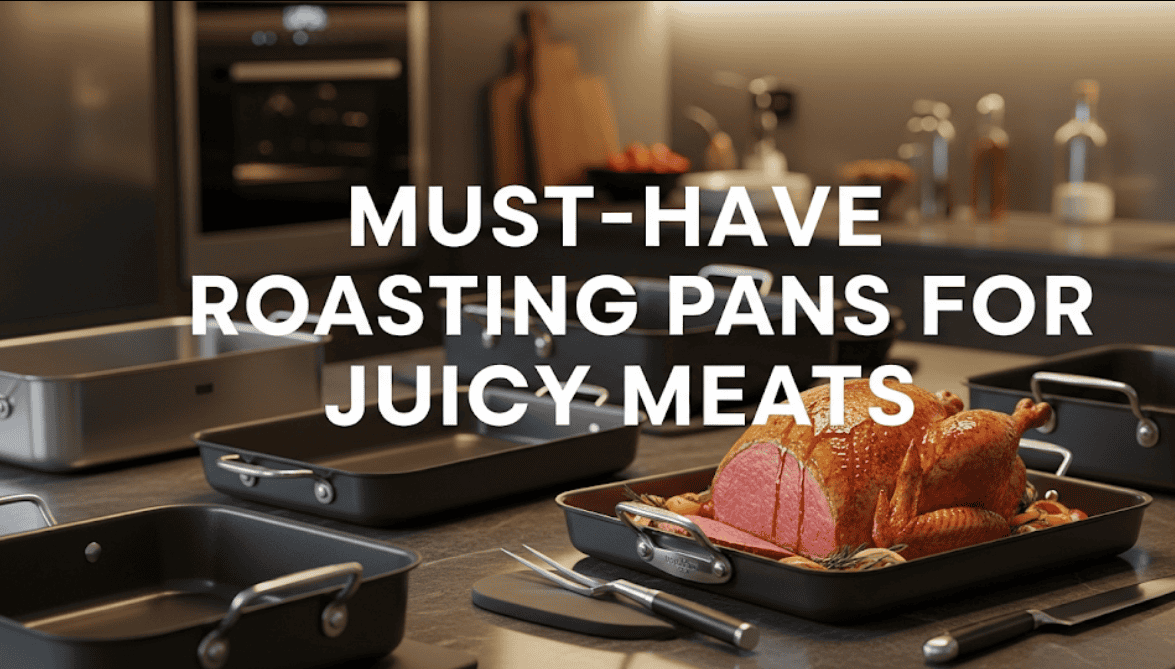
The right roasting pans can take your cooking to the next level. These are the kitchen essentials that separate people who are cooking dry, mediocre meals from those who are cooking something juicy and satisfying, some sort of restaurant-quality dish. Whether you’re plotting your next turkey-roasting adventure or just want to refresh your oven pan collection, the right equipment can make more of a difference than you may realize.
Every home cook deserves tools that perform almost as well as those used by the professionals. The most effective roasting pans heat evenly, hold onto moisture, and remain reliable for years without warping or staining. They also save you time and hassle while cooking up a storm.
In this in-depth guide, we cover every detail you’ll ever need to know about selecting, using and caring for roasting pans. From comparing materials to assisting in size recommendations, we’ll take you through each step of the decision making process to ensure that what you have on your counter meets your needs as a cook.
Why Good Pans Matter for Quality Roasting And the Perfect Results
There’s a reason why professional chefs swear by high-quality roasting pans. Valuable cooking utensils directly affect the way you cook and the quality of your family’s meals. Finally, the right oven pan shields against hot spots that may ruin expensive cuts of meat.
There are a few great advantages of quality roasting pans compared to cheaper ones. First, they distribute heat more evenly over the whole surface. Second, they don’t warp, even at high heat. Third, they promote superior browning resulting in better flavor.
The science of a great roast is in the even distribution of heat and controlling moisture. A good quality and adequately sized roasting pan is what you need, and premium roasting pans perform well in both categories – so that the great lengths you go to with your high quality roast meats will produce excellent results.
It’s All in the Heat Distribution
When heat is spread evenly, one part of the food doesn’t overcook while another is still underdone. Thin-bottomed, inexpensive pans have hot spots that scorch food in patches. Meanwhile, good roasting pans distribute heat evenly for even cooking.
Pans with thick bases will hold and distribute heat more evenly when the temperature changes. This is good to help keep the recipe consistent from the beginning to the end of the cook. In addition, if you’re using consistent temperatures, you will get predictable results each and every time you cook.
Moisture Retention Keeps Meats Juicy
The roasting pans that are the best, are innovatively designed to help lock in moisture naturally. The high sides help keep in the juices and prevent them from drying out too fast. Plus, tight-fitting lids hold in steam that bastes your meat while you cook.
Some roasting pans come with a built-in rack that raises meat out of its rendered fats. This pattern allows for air to flow, and for the moisture to stay in the meat. So, instead, you get those crisp outsides, juicy, tender insides.
Best Materials for Long-Lasting Roasting Pans
Each type of material provides a variety of options for cooking styles and preferences. Knowing these differences allows you to come to a decision about which roasting pans are best suited to your particular requirements and your style of cooking.
Stainless Steel: The All-Around Champion
It’s no accident that professional kitchens are dominated by stainless steel roasting pans. They don’t stain, react with acidic ingredients nor take time to clean up after use. Plus, they are compatible with all cooktop types, even induction.
Top class SS18/10 – The high grade stainless steel is ideal for heat transfer and avoids hot spots. The material also resists warping and discoloration from high temperatures. And they usually have aluminum cores for even heat distribution.
Stainless steel makes maintenance easy as well. They are dishwasher safe and resistant to scratching by metal utensils. In addition, with care, they last for decades.
Cast Iron: Traditional Excellence
These cast iron roasters have unparalleled heat retention and even cooking. These are high-stress tools that do a good job of searing and creating char on the surface of food. And they go from stovetop to oven without the least bit of fuss.
The original non-stick pan becomes better the more you use it when properly seasoned. Cast iron can easily last for hundreds of years with some love and care. Collecting well-established cast iron pans is a hobby and a legacy. But they need more care than other options.
Cast iron does very well with slow-cooking methods and braising. The thermal mass of the material helps to stabilize the temperature over long cooking sessions. And so with tough cuts the stringy fibrous parts of the meat are made tender and delicious.
Carbon Steel: Professional Performance
Carbon steel is at its core a blend of both stainless steel and cast iron. These roasting pans preheat fast, distribute heat evenly and develop natural non-stick surfaces. They are also lighter in weight than cast iron, but stronger than aluminum.
Carbon steel is responsive to temperature changes. It gives you highly accurate control over your cooking environment. Plus, it develops an attractive patina that improves with time.
Carbon steel needs seasoning and maintenance to get started, and going. But the trade off is that the cooking quality is so much better. You can also buy these pans for less than other premium, stainless steel brands.
Material Comparison Table
| Material | Heat Distribution | Maintenance | Durability | Price |
|---|---|---|---|---|
| Stainless Steel | Excellent | Low | High | $$$ |
| Cast Iron | Excellent | High | Very High | $$ |
| Carbon Steel | Excellent | Medium | High | $$ |
| Aluminum | Good | Low | Medium | $ |
| Copper | Superior | High | Very High | $$$$ |
The Perfect Sizes for All of Your Cooking Requirements
The selected size roasting pans helps to combat overcrowding and promotes even cooking. Specific dimensions work best under different circumstances and family sizes.
Small Roasting Pans (12-14 inches)
Small roasting pans are great for couples or small families. They work well with chickens, game hens and small roasts. What’s more, these space-saving options are designed to fit comfortably within a standard oven, without sacrificing capacity.
These are perfect for weeknight dinners and small parties. They heat faster and cook meals faster than their bigger counterparts. And they’re easier to clean and keep in compact kitchens.
Medium Roasting Pans (16-18 inches)
Most family cooking requirements are met perfectly with medium-sized options. They accommodate big chickens, small turkeys and large roasts with space leftover for vegetables. They also fit perfectly in most domestic ovens.
These roasting pans are perfect for your holiday meal for 6-8 people. They have enough room for adequate airflow and they stay relatively manageable in size. They’re also the best compromise of capacity and usability.
Large Roasting Pans (20+ inches)
Big roasting pans take large turkeys, crown roasts and other big cuts. And they are kitchen aids that are crucial for holiday entertaining and when you are serving large groups. But they need large ovens and strong lifters.
Many of the best large pans will even have helper handles for easy moving. They help distribute the weight of heavy roasts more evenly. As a result, you can lift heavy pots and pans without straining or spilling.
Smart Features for Easier Cooking
Nowadays, roasting pans come with a number of convenient features that make the cooking easier. Such advancements can make a big difference for home cooks who want to produce chef-quality results with minimal labor and anxiety.
Built-in Racks and Trivets
Racks help prevent meat from sitting in fat and cooking liquids. This design allows your food to brown up evenly while preventing soggy bottoms. Racks also permit air to circulate, which crisps skin up beautifully.
The best racks are removable to enable flexible cooking options. The pan can be utilized with or without the rack for your recipe. And besides, separate cleaning is a breeze.
Non-stick Coatings Done Right
High quality non-stick coatings cut down on cleanup time. They keep delicate foods from sticking and have an easy release surface. But not all non-stick surfaces are good for high-heat roasting.
Ceramic and hard anodized coatings are better than traditional non-stick choices. They are resistant to scratching with performance that lasts. They also withstand high temperatures without degrading.
Ergonomic Handle Design
Easy-to-grip handles offer a solid grip to make lifting large roasters easy and safe. Find choices that have heat-resistant handles that remain cool during the cooking process. What’s more, helper handles on the opposite end give you superior control.
Some have handles that fold down to help make storage more compact and putting the oven into the oven easier. This feature is ideal for smaller kitchens with less storage space. And, folding handles won’t burn you when reaching for a roast.
Turkey Roasting: The Perfect Pan For Cooking a Behemoth Bird
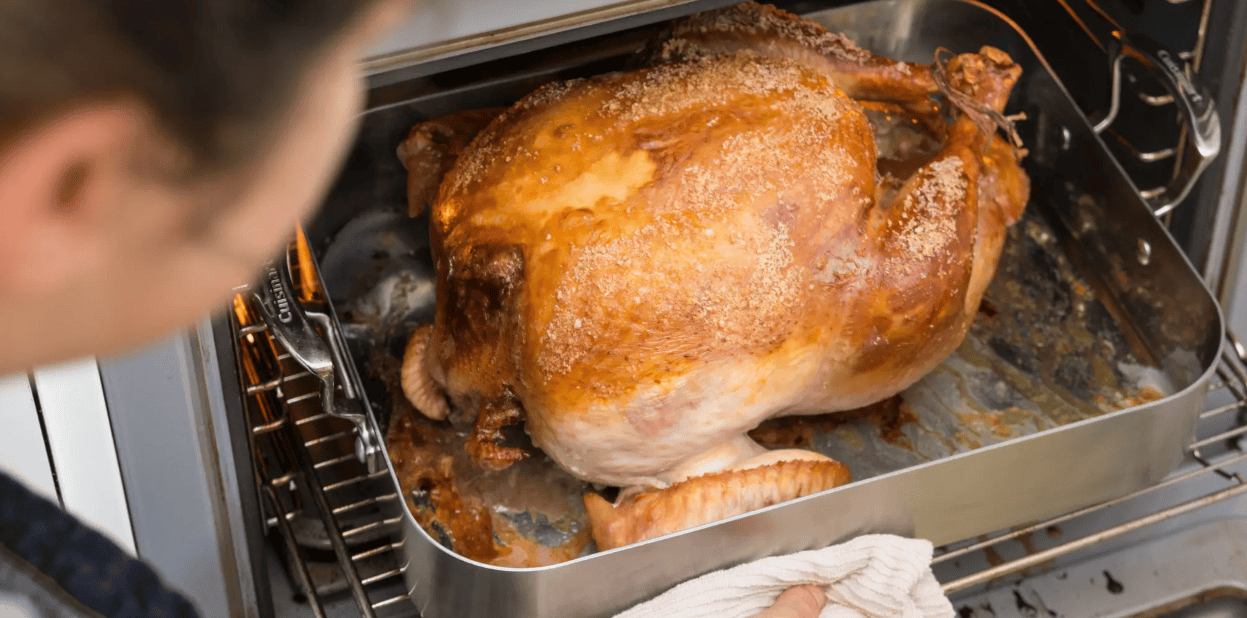
Turkey roasting requires certain pan features. A turkey roasting pan must have certain features in order to be capable of producing a beautifully browned, juicy, tender turkey. The correct oven pan holds the large bird and provides for even cooking and impressive presentation.
What Size Roasting Pan Do I Need for a Turkey?
A 12- to 14-pound turkey will require at least a 16-inch roasting pan. Birds over 18 pounds need pans at least 18-inches. Plus you want to have 2-3 inches space around the poultry so air can flow properly.
Crowding causes an uneven cook, and non-browning. The turkey should fit inside, not touching the sides of the pan. And plenty of space means space for veggies and flavor builders.
Depth Matters for Juice Collection
Deeper roasting pans, thanks to their higher sides, gather more drippings for gravy. Shallow pans cause juices to evaporate or spill over while cooking. In addition, deeper pans are suitable for the inclusion of larger birds and contain the overflow of juice.
3-4 inches deep is the minimum most any turkey roasting will do. This depth keeps splatter in, yet it’s deep enough to let you baste easily. Also deeper pans are more suitable for covered cooking style.
Temperature Control Features
Certain higher-end roasting pans have embedded thermometers that even have probes. These are great for keeping an eye on internal temperature without having to open the oven door over and over. This makes cooking times more predictable and consistent.
The probe thermometer takes the guesswork out of turkey roasting. They notify you when your bird is at safe serving temperatures. They also prevent overcooking, as can happen with expensive turkeys.
Care and Maintenance Tips for Long-Lasting Performance
By taking good care of them, you are helping your roasting pans stick around for years to come. Basic maintenance practices mitigate harm and ensure years of cooking performance.
Cleaning Different Materials Properly
The hardiness of stainless steel roasting pans withstand harsh cleaning techniques. When cleaning, you can apply abrasive cleaners and scrub with steel wool. But mild cleaning keeps that surface longer.
Cast iron needs to be treated differently to preserve the layers of seasoning. Avoid soap wherever possible and be sure to dry well after washing. Also coat with a thin layer of oil to prevent the pan from rusting between uses.
Storage Solutions That Prevent Damage
Stack roasting pans with layers of protection between them. Use cloth towels or pan protectors to avoid scratching pans during storage. In addition, the right size and stacking way of this item can help you save much cabinet space.
When possible, hang pans to eliminate stacking altogether. Wall mounted racks keep pans accessible, but out of sight and damage-free. Additionally, hanging storage displays stunning pots and pans as kitchen décor.
Seasoning and Restoration Techniques
All carbon steel and cast iron pans need periodic re-seasoning. Thin coats of oil should be added and heated until polymerized. It helps retain natural non-stick properties and protects against the effects of extreme heat.
If seasoning is damaged, strip and re-season fully. Remove any rust spots and smooth before adding new seasoning layers. And the more often it’s used, the better the seasoning gets!
Quality For Less: Budget-Friendly Options
The best roasting pans don’t always cost the most. Being a savvy shopper and making smart material picks helps you find good kitchen tools on a budget.
Best Value Materials for Home Cooks
Aluminum roasting pans have great heat conduction at prices much cheaper than premium roasting pans. Not as sturdy as stainless steel, these are good for occasional use. And they are lightweight and easy to deal with.
Hard-anodized aluminum is even tougher than regular aluminum. The surface treatment more effectively prevents scratching and staining. What’s more, these pans are usually cheaper than your high-end stainless steel options.
When to Invest vs. When to Save
If you do a lot of roasting, invest in high quality roasting pans. The high-end models pay for themselves with better performance and long term durability. They stay nice and perform well under heavy use as well.
Avoid overspending on specialty pans that you use only occasionally. Disposable options are fine for one-time events or special recipes. For everyday cooking tools, quality counts more, however.
Shopping Tips for Maximum Value
Shop features, not just prices. Occasionally, middle-of-the-road options provide just as much, if not more value than budget and premium alternatives alike. And don’t forget about long-term costs like how often you replace them.
Seek out sales during large cooking seasons such as holidays. There are many retailers offering deep discounts on cookware. For more kitchen essentials and quality roasting pans, you can explore options at https://dtdfhomeandkitchen.com/. Additionally, sets are often cheaper than individual pieces. You can also find detailed buying guides and reviews on reputable sites like Consumer Reports to help make informed decisions.
Roasting Pan Do’s and Don’ts
Studying mistakes of others will save you time, money and disappointing meals. These are common mistakes which can easily be avoided with knowledge.
Overcrowding Issues
Too much food in roasting pans means improper cooking. Crowded pans steam the food rather than roasting it in the way it should be. Furthermore, overcrowded pans result in patchy browning and long cooking times.
Store items apart so that air can circulate between them. They should sit 2 inches apart, which results in even, rapid heating for the best cooking experience. What’s more, it will also let the moisture dry out properly.
Temperature Control Problems
Wrong temperatures ruin food and pans. Excessive heat burns exteriors before they cook through. Too low temperatures, on the other hand, increase the cooking time without any benefit.
Adhere to recipe temperatures, that way you’ll get the best results. You can adjust the cooking time to suit your pan and oven. Also, check internal temperatures with thermometers to be sure.
Improper Preheating Techniques
When roasting pans are preheated incorrectly, they develop hot spots and uneven cooking. Cold pans also shock food and keep it from searing properly. But overheated pans can cause non-stick coatings to warp or deteriorate.
To prevent thermal shock and warping, preheat gradually. Be patient and give it time to heat evenly in the pan. What’s more, adapt preheating methods to your pan material and recipe needs.
Professional Tips for Restaurant-Quality Results
Master-class methods make it possible for home cooks to make the very best food in their own kitchens. And these tactics don’t demand any costly equipment, only knowledge and execution.
Temperature Management Secrets
Professionals know more than anyone else that consistency of temperature matters more than precision. They will turn heat up and down while they are cooking to maintain an ideal environment. They also factor in carryover cooking when timing food.
Keep the larger cuts to lower temperatures to ensure that the meat cooks evenly through. Higher temperatures are better for small and fast-cooking food. Additionally, rest times give heat a chance to redistribute evenly through the food.
Seasoning and Flavoring Techniques
Season food and roasting pans for better seasoning. Heat activates seasonings, allowing aromatics to infuse into cooking foods. The aromatic fond in the pan at the end of cooking is likewise nature’s flavor base.
Add the seasonings in layers, not all at once at the start. This method has the wonderful benefit of creating complex flavors that go all the way through. Furthermore, finishing seasonings have a dramatic impact on final flavors.
Timing and Coordination Strategies
Plan the cooking sequence in the recipe to make all the elements ready at the same time. Add longest-cooking elements first and shorter-cooking later. Also make side dishes that complement the roasting timeline.
Use multiple roasting pans for large meals. Crowding is avoided as well as serving at optimal temperatures. Plus, staggered cooking leads to better focus on each part.
Frequently Asked Questions
Q: What size roasting pan do I need for a 15-pound turkey?
A: You will want to use a roasting pan of 16 to 18 inches for a 15-pound turkey. This measurement allows enough room for air to circulate without squeezing the bird. Ensure the pan has sides that are at least 3 inches deep to capture the juices and limit spillover.
Q: Can I use an aluminum foil roasting pan?
A: In a pinch, aluminum foil works, but it isn’t as effective in distributing heat as proper roasting pans. Aluminum disposable pans would be a better substitute but still would be substandard to quality metal ones. For optimal results, use a proper roasting pan and line it with a disposable foil pan if needed.
Q: What can I do to prevent warping?
A: The best way to prevent warping is to avoid temperature extremes and to use a heavier gauge of material. Never put a hot pan in cold water or a cold pan in a very hot oven. Also, let your pans heat up and cool down naturally for optimal results.
Q: What is the difference between a roasting pan and a regular baking dish?
A: Roasting pans generally have shallower sides (2 to 4 inches) and are constructed from materials that conduct heat more effectively. They are constructed especially for high-heat cooking and browning. Regular baking dishes tend to have higher sides and may not withstand high roasting temperatures as readily.
Q: Do I need a rack in my roasting pan?
A: Yes, racks elevate the meat above rendered fats and ensure even air flow. This develops better browning and crispier skin, while also helping to avoid soggy bottoms. But if you’re following a recipe that involves braising in liquid, you can cook without a rack.
Q: How do I remove charred or burnt-on food from my roasting pan?
A: To clean stainless steel pans, create a paste mixing baking soda and water; apply this to pan and let sit for about 30 minutes before scrubbing lightly. If all else fails, deglaze with hot water in the warm pan. Clean cast iron pans with coarse salt and oil (use soap when necessary).
Q: Can I put my roasting pan on the stovetop?
A: The majority of metal roasting pans work fine on stovetops for deglazing or making gravy. But read manufacturer guidelines first, especially for non-stick coated pans. Roasting dishes of glass or ceramic should not be used on direct heat sources.
Q: When do I need a new roasting pan?
A: Replace roasting pans when they’re badly warped, have deep scratches that can harbor bacteria, or damage to the cooking surface that can alter cooking performance. Good quality pans should last 10-15 years or longer if cared for. If food always sticks or burns, even when you have the technique down, then it’s time for a new one.
Conclusion
The best roasting pans make the difference between chaos and success. Good quality oven pans all heat up evenly, hold onto moisture well and perform consistently, if not better. Whether you’re roasting meat for your holiday meal or vegetables for your weeknight dinner, the right tools can mean the difference between flavorful and juicy main courses or burnt, dry dinner.
Keep in mind, the best roasting pan for you will vary depending on your personal cooking style, family size and budget considerations. You will have to consider the materials, features, and cleaning process in the decision process. Durable construction will give you years of trouble-free use.
Start with one high-quality medium roasting pan that does most of the work. There’s nothing stopping you from growing your collection as your skills and confidence keep pace. Above all, select kitchen tools that motivate you to cook more, and to try out new recipes.
A great roasting pan is just around the corner in your future of kitchen conquests. Take the time to get to know your choices, read reviews, and invest in great tools that bring you closer to your cooking dreams. For sure, your family and dinner guests will appreciate the quality of equipment.