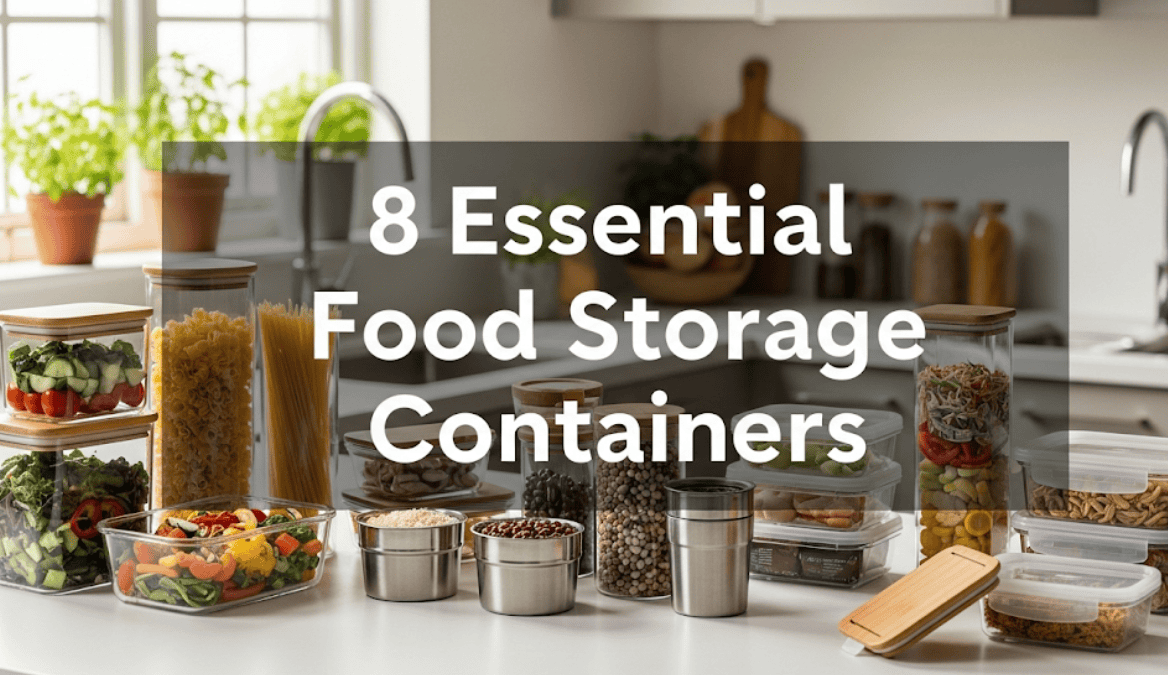
Don’t let it feel like the battle of the day to keep food fresh and organized. The perfect food storage containers can change your kitchen from mad to calm in just a few steps. When meal prepping for the week or saving leftovers, selecting decent containers will help make you and your meal more successful.
Using food storage smartly saves money, cuts down on waste and keeps your family healthier. And, having good containers helps you stay organized and makes cooking more enjoyable. So let’s take a quick look at the eight indispensable kinds that are going to change the way you cook and store.
Glass Food Storage Containers: The Better Food Container Option
Glass containers are the gold standard for food storage. They won’t absorb the odors, stains and flavors of past meals. Plus, you can check out exactly what’s in there without needing to open the lid.
Benefits of Glass Containers
Key advantages of glass storage options:
- Microwave, oven and dishwasher safe
- Safe, non-toxic materials that won’t release chemicals for reuse, meaning you save both money and the planet!
- Crystal-clear visibility for easy identification
- Scratch resistant surface that maintains its stunning looks
But glass containers are more expensive upfront, and they can break if dropped. They are also heavier than the plastic ones, so they are less portable.
Best Uses for Glass Storage
Glass containers work perfectly for:
- Acidic foods such as tomato sauce
- Meal prep containers for cool, organized eating
- Refrigerator and freezer storage
- Reheating food straight in the container
Plastic Food Storage Containers: Cute, Lightweight and Versatile!
For all the reasons you’d imagine, plastic containers are still the most popular choice. They’re cheap, light and almost unbreakable. What’s more, they’re available in a huge variety of shapes and sizes to suit all needs.
Types of Plastic Storage Containers
Different plastic varieties have different uses:
- Food-Safe Plastic: Durable plastic is free from harmful chemicals. Seek out recycling codes 1, 2, 4 or 5.
- Polypropylene Containers: Heat-resistant and microwave-safe. Perfect for reheating leftovers quickly.
- Polyethylene Options: Perfect for food storage, not for food heating.
Smart Plastic Container Features
What are some useful features of plastic food storage containers?
- Lids snap-lock to form a tight seal
- Space saving stackable design to maximize storage in your cabinets
- Measurement markers for portion control
- Freezer-safe materials for long-term storage
Airtight Containers: Maximum Freshness Protection
Airtight containers keep air away and freshness in. They’re indispensable for any dry storage, snacking and open packaging. These containers keep pests out and your food fresh longer.
How Airtight Seals Work
Airtight containers with a good seal are typically made of quality and durable materials such as silicone gaskets or rubber seals. These substances form a vacuum-tight barrier that keeps air and moisture at bay. So your food stays fresher for much longer.
Best Foods for Airtight Storage
Here’s a breakdown of which foods are helped most by airtight storage:
- Cereals, crackers, and chips
- Flour, sugar, and baking ingredients
- Coffee beans and tea leaves
- Nuts, seeds, and dried fruits
- Pet food and treats
Vacuum-Sealed Storage Systems: Professional-Grade Freshness
Vacuum-sealing containers remove the air out completely before sealing. This process is far more effective than your standard freezer bags for food and meal prep storage. Commercial and professional kitchens depend on these systems for food safety.
Vacuum Storage Benefits
Removing air provides multiple advantages:
- Prevents oxidation that causes food to go bad
- Prevents illness by reducing bacteria growth
- Maintains original flavors and textures
- Reduces freezer burn in your frozen foods
- Saves space in your fridge and freezer
Investment Considerations
Systems based on vacuum storage are more expensive to start up. But they more than pay for themselves in the form of reduced food waste. When performed correctly, vacuum storage could save many families hundreds of dollars each year. For premium food storage solutions, investing in quality vacuum-sealed systems can make a significant difference in your kitchen organization.
Silicone Food Storage Containers: Flexible and Durable
There are certain advantages to silicone containers that non-silicone options can’t provide. They’re pliable, collapsible and built to last. Plus, they can withstand extreme temperatures without breaking.
Silicone Container Advantages
These modern storage solutions provide:
- Folding design saves space
- Temperature rating from -40°F to 450°F
- Non-slip bases that hold firmly to smooth surfaces
- Easy-clean, stain and odor resistant surfaces
- Microwave, oven, and dishwasher safety
Perfect Silicone Storage Uses
Silicone containers excel for:
- Travel and camping food storage
- Freezing portion sizes for soups and stews
- Storing hot food instead of cooling it down first
- Kids’ lunch boxes and snacks
- Small-batch cooking and baking
Specialized Kitchen Organizer Containers
Kitchen organizer systems are not just for storing the food. They establish work zones that enable more efficient cooking. Being organized makes preparing your meals easier and less anxiety-inducing.
Pantry Organization Solutions
Specialized pantry containers clean up messy shelves:
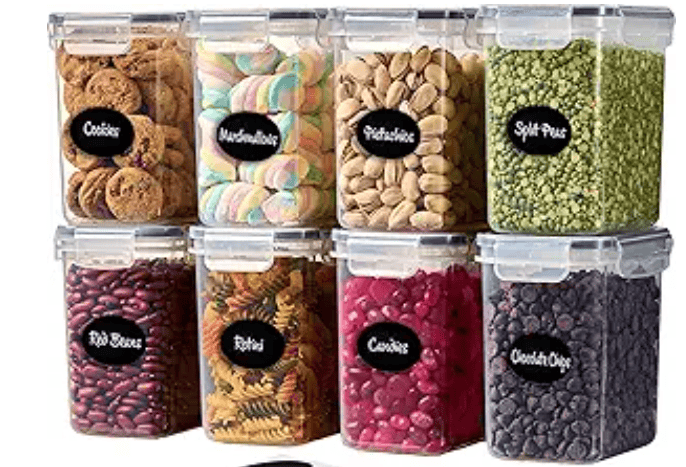
- Transparent or clear containers to clearly see inventory levels
- Modular designs that make the most of your shelf space
- Pour spouts for easy dispensing
- Stackable products that scale as you grow
Refrigerator Storage Systems
Specialized fridge containers include:
- Produce containers with humidity control
- Containers for fragile items like eggs
- Beverage dispensers that save space
- Leftover containers with date labels
Meal Prep Containers: Easy Portion Control Out of the Box
Meal prep containers have changed the game of healthy eating and portion control! They put portion control on autopilot and make meal planning easy. They also save money on takeout and restaurant meals.
Meal Prep Container Features
Look for these essential features:
- Compartments that separate different foods
- Leak-proof lids that eliminate spills
- Stackable designs for efficient storage
- Microwave-safe materials for easy reheating
- Clear visibility to see what you’ve planned for the week ahead
Meal Prep Success Strategies
| Container Size | Recommended Uses | Suggested Servings |
|---|---|---|
| Small (8-12 oz) | Single servings | 1/2 cup |
| Medium (16-20 oz) | Individual meals | 1-1.5 cup |
| Large (24-32 oz) | Family size portions | 2-3 cup |
| Compartmented | Whole meals | Balanced plate approach |
Specialty Storage for Specific Foods
Certain foods need special storage. These containers meet specific preservation needs that generic storage containers fail to address efficiently.
Bread and Baked Goods
Bread boxes and other specialized storage containers regulate the amount of moisture. They keep bread from going stale and prevent the growth of mold.
Produce Storage Systems
Fresh produce needs specific conditions:
- Vented fruit containers that release ethylene gas
- Humidity-controlled containers for leafy greens
- Potato and onion mesh bags
- Berry containers with drainage systems
Spice and Seasoning Organization
Spice containers ought to keep out light, air and moisture. Magnetic containers are great for refrigerators, drawer systems reclaim counter space.
Smart Techniques for Choosing Food Storage Containers
The appropriate containers require some thought. Good containers last for years and are worth the investment over the cheap alternatives.
Essential Features to Consider
Before purchasing, evaluate these factors:
- Material safety and durability ratings
- Size compatibility with your storage space
- Lid design and seal effectiveness
- Cleaning requirements and dishwasher safety
- Warranty coverage and replacement policies
Budget-Friendly Container Strategies
You don’t have to buy everything all at once. Begin with the must-haves and slowly build your collection. And, bonus: Sets often come with a lower price tag than individual containers.
Container Maintenance and Care
With proper maintenance, a container’s life can be greatly extended:
- Hand-wash lids to help preserve the seal for longer
- Avoid abrasive cleansers that scratch surfaces
- Store lids slightly ajar to prevent odors
- Replace worn or damaged containers
- Clean thoroughly between different types of foods
For more comprehensive kitchen organization tips, you can find additional resources at Food Network’s storage guide.
Creating Your Complete Storage System
You have to plan to build an effective storage system. Think about how you cook, how large your family is, and how much storage space you have. Begin with containers that can do double duty.
Starter Container Collection
New homeowners should begin with:
- 4-6 medium glass or plastic containers
- Large airtight container for cereals
- Small containers for leftovers and snacks
- One meal prep container set
- Specialty containers for your essentials
Growing Your Collection
Add containers one at a time as they are actually needed. Track which sizes you use most and what foods need better storage solutions.
Frequently Asked Questions
How are food storage containers really airtight?
Silicone or rubber gaskets are used in the lid of an airtight container. As you seal the container, these materials are compressed together and form a vacuum seal, which prevents air from getting in or out.
Is it better to store food in glass or plastic?
Glass is durable and resists bacteria, stains and odors. However, plastic containers are lighter, more portable, and cheaper. Both can be safe if chosen wisely.
How do I protect plastic containers from staining?
Spray cooking oil into containers before adding tomato-based foods to them. This forms a protective layer that resists staining. Also, wash containers promptly after using, and don’t microwave acidic foods in plastic.
What size containers are best for meal prep?
For regular meals, 16-24 ounce containers are great for single portions. Sectioned containers assist in portion control and separating different foods. Select sizes based on your average serving size.
Can I add warm food straight into storage containers?
Glass and silicone containers are safe for hot foods. But first, let the food cool a bit before you put plastic containers in the refrigerator. Rapid temperature shifts can cause plastic lids to warp.
How often should I replace plastic food containers?
Change containers when lids will no longer seal effectively, plastic has turned cloudy or has become cracked, or you notice lingering odors. A good quality container will last 3-5 years with everyday use.
What is the best way to organize storage containers?
Stack nesting containers of the same size and shape and store lids in a bin or on a rack. This way you never lose lids and can find the matching pieces fast.
Are expensive containers worth it?
Superior containers are pricier from the get-go, but in the long run, save money by keeping your food fresher longer and by lasting longer themselves. They offer superior sealing and warranties are frequently available.
Making Food Storage Work for Your Lifestyle
Good food storage containers change the way you manage your home. They cut down on waste, save money, and are a convenient way to eat healthy. Begin with a set of basic containers and add to it as you learn which types will work best for your family.
Keep in mind organization is just as important as the containers themselves. Dedicate specific areas for different types of containers – no more jumbled clutter, just tidy organization in a snap.
The investment in high quality containers for your family’s health and for your kitchen’s efficiency is well worth it. Pick carefully, care for it right, and you’ll be enjoying fresh, orderly food storage for years to come. Once you’ve found the perfect system, you’ll quickly forget how you got on without these must-have kitchen organizing tools.