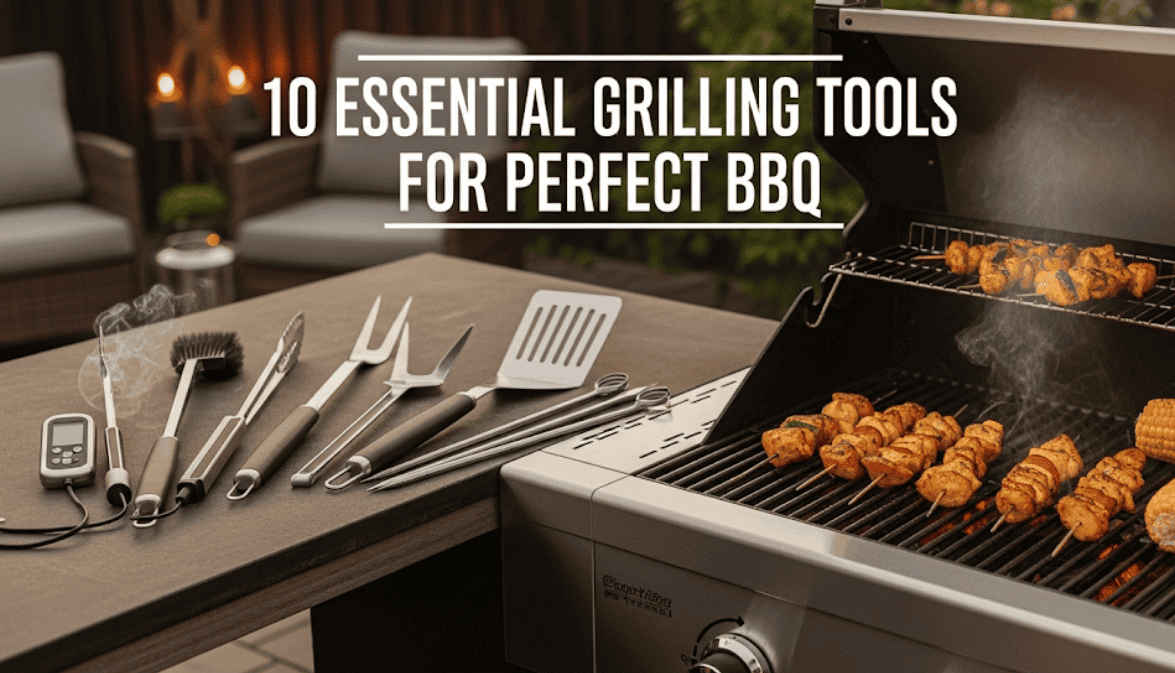
So here you are: It’s sunny, people are coming over, and you want to put something to do on the grill. But there is no running away from the fact that even the best of us can find it difficult to put together a great barbecue without the right grilling tools. But whether you’re just a weekend warrior or a die-hard pitmaster, good barbecue accessories can make the difference between food that’s good and food that’s great.
The secret to a great cookout is being prepared. The best cooking gadgets not only make your job easier, but also ensure that your results are reliable and delicious. With everything from flipping burgers to checking temperatures done to perfection, these kitchen essentials will make it simple to completely revolutionize your outdoor cooking experience.
Here are ten must-have tools every grill master should have. These are the things that will help you cook more safely, faster and with better results each and every time you fire up the grill.
Why Quality Grilling Equipment Matters
Great barbecue is no accident. The pros understand that the right tools are always necessary to get the job done right. Good gear definitely lasts longer, works better, and keeps you safe when you’re cooking.
Bargain tools break when you need them. They can also be hazardous when you get into high heat and heavier foods. If you’ve committed to grilling, investing in the right grilling gear saves money down the road — and makes grilling way more fun.
Furthermore, with the proper barbecue accessories, you can ensure that you have even temperatures and cooking time. This predictability is crucial because the business of grilling is not merely to cook but to impress your guests with the perfect presentation.
The Complete Grilling Tools Checklist
1. Heavy-Duty Grill Spatula
A solid spatula is the backbone of every griller’s toolkit. Opt for one with a broad, thin blade that slides easily under delicate fish or a thick burger. The best spatulas have long handles so your hand doesn’t get too close to the heat.
Opt for stainless steel over plastic for longevity and heat resistance. A quality spatula should be well balanced in your hand with an ergonomic grip. Other models even feature a bottle opener on the side for all those barbecues.
The blade needs to be flexible enough to slide under food but also sturdy enough to lift weighty items. A good spatula can last you years and be the most-used cooking tool on your grill.
2. Long-Handled Tongs
Tongs help you maintain control around the flame to move food. They’re great for turning sausages, flipping vegetables, arranging coals. And always go with long-handled tongs, to keep your hands and arms out of harm’s way.
Tongs with spring-loaded handles are best, as they ensure consistent grip pressure. Opt for a model with scalloped edges that grasp food firmly without piercing the surface. This also retains all the juices and makes meat more moist and tender.
Tongs should be comfortable to use and feel like they’re an extension of your hand. They’re one of those grill tools you end up depending on constantly, so comfort and control are key things to look for.
3. Digital Meat Thermometer
Temperature mastery is what separates good grilling from great grilling. A digital meat thermometer eliminates the need to guess about when meat is done and makes sure you will not get sick from undercooked food.
Instant-read thermometers provide you with results in seconds; probe thermometers can also track the food as it cooks. And some fancy models connect to your phone and will send you an alert when your food is ready.
It’ll help you avoid overcooking pricier cuts of meat, and help guarantee that your poultry reaches safe internal temperatures. It’s also one of the first and most essential kitchen tools for beginning cooks and seasoned grill masters.
| Meat Type | Safe Internal Temperature |
|---|---|
| Chicken & Turkey | 165°F (74°C) |
| Ground Beef | 160°F (71°C) |
| Beef Steaks | 145°F (63°C) for medium rare |
| Pork | 145°F (63°C) |
| Fish | 145°F (63°C) |
4. Grill Brush for Cleaning
A clean grill is a happy grill! Food tastes better and cooks more evenly on clean grates. A good grill brush will get rid of stuck-on food and grease that can lead to flare-ups and off flavors.
Pick brushes with strong bristles that don’t shed easily with use. Wire bristles are okay for cast iron grates, but nylon bristles are safer for porcelain-coated surfaces. Some newer models employ scrapers instead of bristles for additional safety.
Cleaning the Grill: Clean your grill before cooking while the grates are still warm from preheating. Prevent rust, reduce sticking and promote even cooking! This regular maintenance will keep your grilling tools looking great and your grill cooking perfectly.
5. Heat-Resistant Grilling Gloves
When dealing with high heat and open flames, safety is at the top of the list. With heat-resistant gloves, you can handle hot grates, food and make adjustments without worrying about burning yourself.
You want at least 500°F rated gloves that fit nice and snug on your hands. Silicone gloves are generally easy to clean and have great grip, while leather gloves are better for longer periods of exposure and are more heat resistant.
These cooking tools will give you confidence to be efficient around the grill. You can just grab corn right off the grates or reposition food without having to pull out other tools.
6. Grill Basket for Vegetables
Vegetables can be difficult to grill without the right tools. Pieces of small items fall through the grates, and anything delicate can burn in an instant. A great solution is a grill basket, which not only solves the sticking issue, but also expands the list of things you can grill healthfully.
The holes in the baskets let smoke and heat through to the food but keeps everything together. Just right for asparagus, mushrooms, cherry tomatoes and diced peppers. Some have handles that can be removed for compact storage.
This BBQ buddy makes it super easy to cook full meals on the grill. Proteins and vegetables never have to be overcooked and taste better that way.
7. Chimney Starter for Charcoal
Never mind lighter fluid and the chemical taste it leaves behind. With just newspaper and a match, a chimney starter lights charcoal fast and evenly. It results in tastier foods and it spares you from using chemical accelerants.
Fill the upper chamber with charcoal and put scrunched-up newspaper in the lower compartment. Light the paper and allow 15-20 minutes for the coals to form a gray ash covering. Then empty the hot coals into your grill.
For those with a charcoal grill, it’s a must-have tool. It produces even heat and takes the guesswork out of getting your fire going. And it’s a lot safer than using lighter fluid near an open flame.
8. Basting Brush for Sauces
A proper brush is the key to making a perfectly cooked meal. Silicone brushes are better than those made of natural bristles as they don’t absorb flavors and can’t become a breeding ground for bacteria. They’re also easier to clean — and last much longer, too.
Choose brushes with an angled head that can get at all surfaces of your food. The handle should be long enough so that your hands are away from heat and you can control it easily.
These grill tools help you build flavor in layers as you are grilling. You can marinate ahead of time, baste with marinade while cooking, and add a glaze after cooking.
9. Drip Pans for Easy Cleanup
No one likes to clean grease off a grill grate after a gathering. Disposable drip pans make cleanup easier and with less mess. They also help prevent flare-ups by keeping grease away from the direct flame.
Stainless steel pans work for most grilling instead of aluminum pans. You can use them under the cooking area, or even to build out indirect heat zones. Some grillers line them with foil for even more convenient cleanup.
These useful barbecue tools help save time and minimize the mess. They also allow you to grill fatty foods like ribs and chicken thighs without frequent worries about flare-ups.
10. Grill Light for Evening Cooking
Don’t let the setting sun stop you from grilling. A great grill light lets you cook long into the night and helps you see your food clearly when light is low. This will prevent the food from overcooking and help prevent your food from causing illness.
LED lights are bright, consume little power, and give off very little heat. Search for models that securely clip onto your grill handle or hood and let you go hands-free. Water-resistant builds stand up to the elements.
Grilling on a summer evening sets a magical tone for dinner parties and family dinners. With good lighting, you can cook just as well at 3 a.m. as at 3 p.m.
Smart Shopping for Grilling Equipment
Budget Considerations
Begin with the essentials and add to your collection over time. Choose quality over quantity when you’re buying your first grill tools. A handful of good ones do the work of many cheap alternatives.
Create a realistic budget and adhere to it. The gear is a bit more expensive to start with but better performing and more durable. Think of this as an investment in many years of great grilling.
Shop for sales during the spring and fall, when retailers need to make room for new inventory. End-of-summer sales are typically when you can find the lowest prices on high-quality cooking gadgets and barbecue accessories. For a comprehensive selection of quality grilling tools at competitive prices, check out DTDF Home and Kitchen, where you can find professional-grade equipment that meets all your outdoor cooking needs.
Material Quality Matters
18/8 stainless steel tools won’t rust and are easy to clean. Years of use and still look and feel great. You want 18/10 stainless steel for the most resistance to corrosion.
Wooden handles are comfortable and cooler to the touch than metal, though they require higher maintenance. Heat-resistant plastic handles are heat resistant and have an ergonomic design for a comfortable grip.
Stay away from tools with loose pieces or insecure attachments. These portions are generally the weakest and may create a potential hazard when placing hot food over the grill of an open flame.
Storage and Organization
Keep utensils at hand while cooking outdoors. A tool caddy or a magnetic strip next to your grill cuts down on searching time and lost gear. Clean tools also have longer lives and work better.
Keep tools stored in dry areas to help keep moisture out of the delicate finishes on these tools. Most sets include storage cases or hooks to keep everything together between grilling sessions.
Think of the tools that you reach for most often and keep them within easy arm’s reach. The right barbecue accessories make cooking so much more fun and that much easier.
Maintenance Tips for Long-Lasting Tools
Proper Cleaning Techniques
Clean grilling tools right after use while they’re still warm. Grease and food particles are easily removed with hot water and dish soap. Steer clear of harsh chemicals that could leave a residue behind on those cooking surfaces.
For buildup that’s more difficult to remove, soak tools in warm soapy water and then scrub. Non-abrasive pads are gentle and safe on surfaces. Never leave tools wet – drying off before storing them is the recipe for tools that do not rust.
Wooden handles need special care. Clean with a damp cloth, treat with food grade mineral oil once in a while to prevent the wood from cracking or splitting. It’s an easy way to not only keep your tools looking new, but to also keep them working like new.
Seasonal Storage
Keep your investment safe during off-season storage. Carefully clean and oil all tools. This is to prevent rust and corrosion during humid periods.
Keep tools dry and do not expose to extreme temperatures. Garages and sheds are fine as long as they do not get too damp. Stay away from basements or places that may have moisture problems.
Before the grilling season begins, give stored tools a once-over. Replace anything that’s showing wear or damage before you do your first cookout. This helps keep your grilling from causing disappointment and potential safety issues when barbecuing is in full swing.
Safety First: How to Use Grilling Tools Correctly
Heat Protection
Get in the habit of assuming your metal tools are hot when you work around the grill. Wear heat-proof gloves or use long-handled utensils to keep your hands away from open flames and hot surfaces.
Don’t put metal tools on hot grill grates; they’ll heat up and be extremely hot to the touch. Pick a cool place in the kitchen to store the tools after the food is prepared.
For emergencies, have a spray bottle of water ready. While an ounce of prevention is worth a pound of cure when it comes to avoiding the usual hazards, it’s wise to be prepared for surprise flare-ups or slip-ups.
Food Safety Guidelines
Do not use the same tools for your raw foods and your cooked ones to avoid cross contamination. Lots of sets have color-coded handles or markings to help you remember which tools were used to touch raw meat.
Wash utensils between raw foods, particularly between raw poultry and other foods. A rinse and wipe down prevents bacteria transfer and off flavors.
Replace porous barbecue accessories like cutting boards often. These items can hold bacteria even after you have washed them thoroughly, so replace regularly for food hygiene purposes.
Temperature Zone Management
Build zones of heat in different locations and put your tools to good use. Shift coals with long-handled tongs to create hot and cool spots. When you’re in a hurry or don’t have a lot of time to finish a certain meal, this method works well to partially cook food fast and then cook at lower temps.
Place drip pans between the direct and indirect zones. This arrangement is ideal for thick cuts that require slow, uniform cooking following just a good sear.
Learn these techniques and you will cook like a pro. Nothing will make it easier to control the heat with precision than the right grilling tools in the first place, rather than trying to manage heat with whatever is currently at hand.
Flavor Enhancement Methods
Basting brushes allow you to build flavors during the cooking process. Begin with marinades, add rubs before cooking and conclude with sauces in your final minutes.
And you get wonderful smoke flavors from wood chips in foil packets. These packets can be shuffled around the grill with tongs to maximize smoke coverage. Some meats go so well with certain woods.
Try things out and see what combination of tools and ways of working work for you. The secret to good barbecue is knowing how each piece of equipment helps to make the end product. For more grilling tips and techniques, check out Weber’s comprehensive grilling guide which offers expert advice on advanced cooking methods.
Developing Your Arsenal One Piece at a Time
Starter Kit Essentials
Start with spatula, tongs, thermometer and grill brush. These four cover most basic grilling needs. Add another tool as your skills and interests grow.
Focus on quality not quantity on your starter set. One really great spatula is better than a whole drawer of mediocre ones. Buy smart over time, instead of using impulsive shopping as your guide.
First master the few essential tools, then apply them to more specialized gear. Learn the basics first, then go out and add to your arsenal as you learn more techniques and styles of cooking.

Advanced Additions
Veteran grillers usually end up with a few specialized tools for doing certain foods or techniques. Rib racks, fish baskets and rotisserie accessories open up the door to even more cooking options.
Consider your style when choosing high-tech barbecue accessories. If you are a veggie fan invest in baskets and planks. Carnivores may want specialized sets of tongs and carving tools.
Get involved in online or local grilling communities to pick up new tools and techniques. Other fanatics often recommend which cooking gadgets are really worth it to invest in.
Frequently Asked Questions
What are the essential tools for novice grillers?
Begin with a spatula, tongs, meat thermometer and grill brush. These four grilling essentials can tackle most common cooking jobs. Add other stuff slowly as you get good and start figuring out what you do and don’t like.
How long do I wait before replacing grilling tools?
With the right care, good tools will give you good service for many years. Replace products if they exhibit signs of wear, damage, or if safety is a concern. Thermometers need to be calibrated on a yearly basis to maintain accuracy.
Should I just use my normal kitchen tools on the grill?
There are things like regular kitchen tools that will technically work, but most of us will be better served by grilling-specific tools that work better and last longer. Intense heat and outdoor application require the strength and exceptional performance of professional quality tools.
What separates cheap and costly grilling utensils?
Better materials, longer life, more reliability: It’s what pricier tools generally have over cheaper ones. But you don’t have to spend a lot of money to grill well. Consider the build quality and user ratings when deciding.
What is the best way to clean grilling tools?
Wash the tools while still warm in hot soapy water. For harder buildup, soak implements and scrub with non-abrasive pads. Allow to dry completely and store in a dry place to avoid rusting.
Is it worth paying extra for a wireless meat thermometer?
Wireless meat thermometers provide benefits for indirect cooking and help prevent overcooked food by monitoring it throughout the cooking cycle. They’re particularly useful for lengthy cooking times, such as when cooking a large cut of meat or whole bird.
Which types of materials are the best for grilling tools?
Stainless steel provides the most durable and reliable option with heat resistance and easier cleanup. Opt for 18/10 stainless steel for the most corrosion resistance and durability.
Do I need all those grilling gadgets?
These ten must-have tools can tackle any grilling task. But you can begin with much fewer items and collect specialty barbecue accessories as your passion and skills grow.
Creating the Perfect Grilling Setup
Tool Organization Strategies
Ensure that your most frequently-used grilling tools are within easy reach of the grill and your cooking area. A tool caddy or magnetic strip keeps everything stored neatly and no more hunting for what you need when cooking.
Organize all related things in groups for effective workflow. Keep thermometers near tongs, brushes near seasonings, cleaning supplies in their own space.
Think about portability for grilling away from home. For camping trips, tailgate parties and beach cookouts, a tool roll or case holds everything in place.
Workflow Optimization
Set your cooking gadgets out in order of use. Pre-position tools before turning on the grill so you’re not fumbling for them when food is cooking.
Keep your work area neat by cleaning as you go. Wash equipment such as knives between uses, and assign separate areas for preparation of raw and cooked foods.
Work on those preparation steps until they are a reflex. Streamlining the workflow results in better timing and less stress for sessions full of complex grilling.
Seasonal Grilling Tool Considerations
Summer Grilling Demands
Hot weather means that you should pay more attention to the maintenance and storage of tools. Metal handles might get very hot, so this is extra reason to wear heat-resistant gloves in summer sessions.
More sunlight hours equals more grilling opportunities. Keep your tools clean and ready for barbecuing for friends who are always ready to fire up at a moment’s notice.
Summer also means more outdoor entertaining. Fully stocked barbecue accessory sets prepare you for larger gatherings and more intricate menus.
Cold Weather Adaptations
Winter grilling is a different beast, and it requires different tactics and tools. Wind screens and grill covers are cooking gear you won’t leave home without in more extreme conditions which help keep a constant temperature.
Grasping cold metal handles becomes unpleasant. Find tools with insulated handles, or have heat-resistant gloves available for long cooking time frames.
The storage of tools can be a bit challenging to maintain if you are dealing with snow and ice. Think about indoor storage options for your most prized grilling tools during inclement weather months.
Professional Tips from Grill Masters
Temperature Management Secrets
Professional pitmasters use multiple thermometers to track various zones and products at the same time. This kind of monitoring ensures equally superb performance, no matter what’s on the menu.
Employ the hand test, in conjunction with thermometers, to become intuitive with heat. Place your hand five inches above the grates and count the number of seconds you can keep it there comfortably.
Master how to read what your food and grill are telling you. Great chefs use their observation abilities in a way that combines with tool readings and they end up achieving perfect timing, temperature and doneness!
Flavor Development Techniques
Build flavors with separate tools and accessories at all stages of cooking. Begin with dry rubs, add wood smoke during cooking, and conclude with sauces in the last few minutes.
Test other basting liquids with your brush. Beer, wine or fruit juices all create distinct flavor profiles when used in the cooking process.
Properly rest cooked meat with clean utensils and cutting boards. This last step is necessary to help juices redistribute evenly throughout the meat for optimum tenderness and flavor.
Troubleshooting Common Grilling Problems
Flare-Up Management
Most flare-ups are caused by too much grease on the cooking surfaces. Reduce your risk by using drip pans and ensuring you keep your grill clean.
When flare-ups happen, move food as necessary to cooler parts of the grill with long-handled tongs. Never douse grease fires with water, which can cause flames to spread and result in burns.
Have a spray bottle of water at hand for small flare-ups. For serious fires, turn off gas valves or shut down vents to eliminate oxygen.
Uneven Cooking Issues
Hot spots are responsible for uneven cooking in your grill. Map out these areas with the hand test and move the food accordingly as you cook.
Cook thick cuts with indirect heat distribution. Using drip pans and evenly arranging the coals creates more consistent cooking temperatures.
Flip food often with your tongs and spatula. This way all surfaces are uniformly heated and no side gets scorched.
Investment Guide: When It’s Worth It to Upgrade and Replace Tools
Recognizing Replacement Signals
Discard a grilling tool if you notice anything broken, corroded, or any sort of safety risk associated with it. Bent spatulas, tongs with loose springs and inaccurate thermometers ruin even the simplest dishes.
Metal surfaces covered in rust mean it’s time for new gear. Although surface rust may be removable, deep rust weakens the structure of the item and is unsanitary.
If the tools are hard to clean or smell bad, it’s probably time to replace them. Fresh equipment makes food taste better.
Upgrade Timing Strategies
The best time to replace tools is in the off-season, when deals are abundant and prices are down. Another cost effective way to upgrade your collection is to take advantage of spring and fall clearance sales.
Perhaps upgrade one section at a time instead of everything all at once. This strategy helps to spread out the costs over multiple seasons and allows you to build up your setup little by little.
Upgrade your most-used items first. When you’re grilling frequently, high-quality versions of the most important cooking tools will justify their premium price, especially if you’re someone who grills a lot.
Conclusion: Assembling Your Ideal Grilling Arsenal
The proper grilling tools can make an average weekend cookout an all-star event. These top ten essential items are all you need to start a lifetime of good barbecue experiences with family and friends.
Begin with a few key tools, and add to them thoughtfully. Good grilling tools last longer, work better and make grilling safer and more fun for everyone.
Keep in mind, though, that practice and patience cannot be replaced with even the best barbecue accessories. Use these tools often, keep them clean and don’t be afraid to try new techniques. With experience and time, you will gain the ability and confidence to grill up fabulous meals every time.
It takes the right kitchen essentials to become a grilling master. Choose wisely, cook often, and master the art of grilling! Your taste buds — and your guests — will thank you for it.