
Also read: The best pasta makers for fresh homemade pasta gleaned from 5 hours of testing Your complete guide to fresh pasta, from breakfast to dessert to second breakfast When “semolina” doesn’t actually mean “semolina,” and other gleanings from an afternoon with a pasta master
Add the homemade touch of fresh pasta to your dinner with the electric pasta maker. Find the right pasta makers and even your kitchen can become a genuine Italian-style trattoria. Whether you are a die hard chef or a straight up pasta lover, the right noodle maker can make such a difference in your culinary journey.
There is no comparison between the taste of fresh pasta and the store-bought kind. In texture and taste, it has a softness and depth that store-bought dried pasta cannot deliver. And, homemade noodles are preservative free and would not have any synthetic additives. You manage exactly what goes into your food.
Why Fresh Pasta Over Dried?
The pasta you buy from the store has been on shelves for months before ending up on your plate. Fresh pasta, on the other hand, gets made and eaten the same day. And that timing differential can make all the difference in taste and texture.
Dry, commercial pasta has stabilizers and preservatives to increase shelf life. These supplements contribute in both taste and nutritive value. To make fresh pasta, you only need flour, eggs, and water. Opt for traditional for purity in every bite.
Also, fresh pasta gets done a whole lot quicker than dried. The majority of fresh noodles require just 2 to 3 minutes of simmer time in boiling water. This rapid cooking time preserves natural vitamins and prevents overcooking.
Different Types of Pasta Makers for Purchase Today
Manual Pasta Makers
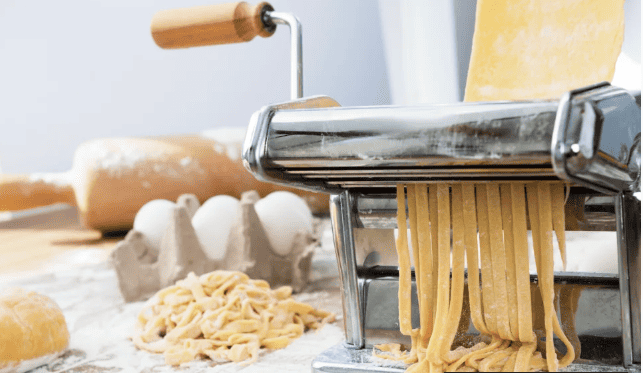
Hand-operating pasta makers need muscle strength, but allow for the most control with the thickness and texture. These small cooking devices feature a hand crank that rolls dough through adjustable rollers.
Hand-crank machines are a tradition among Italian families. They’re cheap, they’re sturdy and they never require electricity. Manual models typically come with a few cutting attachments for various noodle shapes.
The learning curve for manually operated machines is not steep. Most people find their rhythm after a few days. It’s a bit of a meditative puzzle, and it’s fun at the same time.
Electric Pasta Makers
Electric pasta rollers take care of the rolling and cutting. Just feed the dough into the machine and see perfect noodles coming out. They’re also a great time and body-saver in the kitchen.
Electric models are also popular among professional chefs, who value them for their uniformity. Every noodle is exactly as thin and wide as the next. This gives consistent cooking results and appearance.
Electric models, however, are more expensive than their manual counterparts. They also eat into counter space and take up an electrical outlet. We have seen that some models can be very loud while running.
Automatic Pasta Makers
Automatic pasta makers do everything from mixing to cutting. You add flour and eggs, and you press a button. The machine both mixes and kneads dough, and extrudes finished noodles.
They’re great for households on the go. While the machine does the work, you can move on to other tasks in the kitchen. Many automatic varieties come with a variety of disc attachments for different pastas.
The main drawback is cost. Good-looking automatic machines are generally priced at over $200. They are also awkwardly large when not deployed.
What to Look for in Pasta Makers
Build Quality and Materials
Made of stainless steel which makes it hard-wearing and hygienic. Steer clear of ones with plastic rollers or cutting elements. These parts do not last long and could be a food safety concern.
Check for sturdy construction that’s not wobbly or flimsy. A quality pasta maker tool should feel heavy and secure when you’re using it. Flimsy models may vibrate or scoot across countertops.
Chrome-plated rollers will not rust and they are easy to clean. A few machines also have detachable parts, so you can give them a good washing. This capability is vital in helping to provide food safety.
Thickness Settings
Several thickness settings for all your pasta making needs. The typical variety of settings given by machines of good quality range from 6 to 10. The thin settings are great for delicate pastas such as angel hair. Thick settings fit robust noodles such as pappardelle.
A few of the machines have the added benefit of numbered settings, which ensures consistency. Once you lock in thickness, you can achieve the same results every time. This function is particularly useful for certain recipes.
Half-step adjustments are sometimes used on professional models. These little adjustments make a big difference when a perfect thickness is required for certain types of pasta.
Cutting Attachments
Common attachments include devices for making fettuccine and angel hair. But with luxury pasta makers, you can also access lasagna sheets, ravioli molds and specialty shapes.
You can get interchangeable attachments to expand your noodle-making options. You create various types of pasta without having to purchase multiple machines. It is this flexibility that explains the relatively high initial costs involved.
Certain manufacturers offer extra attachments that are sold separately. Please verify availability and pricing before purchase. Odd attachments can be expensive or difficult to locate at a later date.
The Best Manual Pasta Makers of 2025
Marcato Atlas 150
The Marcato Atlas 150 is the leading manual pasta maker. This one is made in Italy and has chrome-plated steel rollers and a solid build. It even comes with fettuccine and angel hair attachments.
The Atlas 150 has ten thickness settings and ranges from 4.8mm to paper-thin. The 150mm wide rollers and open entry design in the back for easy access make ease of work with big batches easy. The machine will grip to most counter surfaces or tables.
Normally priced between $70-90, this program is affordable to most. Spare parts and extensions are readily available. Lots of good user comments over the years about them being “bullet proof.”
Imperia Italian Pasta Machine
The Atlas and the Imperia are the two name brands of a basic machine most people use for making pasta. Solid steel construction, rust-resistant powder-coated finishing and food grade cold-rolled steel stainless steel rotary plates which are stable and durable, up to 310 per minute, fast and efficient. The chrome plating is corrosion resistant and easy to clean.
All Imperia models are equipped with double cutter heads as standard. The machine doesn’t deliver negative surprises from one batch to another. Its small size fits into most kitchen drawers.
Imperia’s precision engineering ensures professional chefs, cooks and homemakers now have the perfect means of creating authentic gourmet dishes. Thickness control is a piece of cake with the easy-to-use adjuster knob. This precision leads to consistent cooking and professional results.
Cucina Pro Imperia Pasta Machine
Cucina Pro is a great value in manual pasta maker. This noodle maker has all necessary characteristics in budget price. For what it does, the machine works well with quality pasta.
It’s made better than expected for the price. Stainless steel rolls perform easy movement and easy cleaning. The accessories included are suitable to most popular forms of pasta.
Customer service and the warranty support are reported to be really good. When the time comes for replacement parts, shipping is speedy. This dependability is why Cucina Pro is great for newcomers.
Best Electric Pasta Makers to Consider
Marcato Atlas Motor
The Marcato Atlas Motor brings the precise tradition of manual pasta-making to the powerful convenience of electric. It’s the best of both worlds, this combination. The machine is designed to be operated manually or electrically as required.
The electric motor ensures a constant speed for even results. It also relieves hand fatigue when preparing large batches. The power base is simple to attach and detach, and can be wiped clean.
Commercial kitchens frequently can’t do without this model due to its versatility. The manual option acts as a backup should the electricity run out. This versatility is useful for a variety of culinary applications.
KitchenAid Pasta Roller Attachment
Owners of KitchenAid stand mixers can add pasta-making functionality without springing for separate machines. The pasta roller attaches directly to your mixer’s power hub. It’s money-saving and saves space. For more kitchen equipment reviews and guides, visit https://dtdfhomeandkitchen.com/ for expert recommendations on home and kitchen appliances.
The attachment can perform both rolling and cutting. Thick for everything from linguini to spaghetti; thin for angel hair. Construction quality lives up to KitchenAid’s reputation for durability.
But you have to have a KitchenAid mixer for the attachment to work. Total investment could be higher than single pasta-makers. Be sure to take this into account when deciding on a plan.
Philips Pasta Maker Plus
Philips makes fully automatic pasta makers that do everything from mixing to cutting. Just put ingredients in and choose the pasta type you prefer. The entire process is done automatically by the machine.
Various settings for selecting different pasta types and making 1 lb, 1.5 lb or 2 lb batches. For perfect results every time, the machine automatically adjusts to the optimal pressure and timing. A built-in scale gives you complete control over ingredient proportions.
It needs you to separate and remove a number of detachable parts, but is still easily manageable. The purchase makes sense for families who regularly eat pasta. Occasional users may prefer manual models.
Premium Automatic Pasta Makers
Breville Pasta Boss
The Breville Pasta Boss corners the market for premium automatic pasta makers. This handy machine will ensure that the noodles served at your table wow your diners. Professional-grade components ensure consistent results.
Several pasta discs yield a variety of shapes, from spaghetti to penne. For each type, the machine automatically adjusts pressure and timing appropriately. Automatic sensors stop the machine when dough is perfectly kneaded.
Price is the justification for the premium positioning, and usually it’s more than $300. But the quality and convenience make it worth the investment for those serious about their pasta. Nice warranty as well as customer service.
Philips HR2382/15 Pasta Maker
Philips makes another automatic model with similar features. This model is all about simplicity and easy cleanup. It’s small enough to fit on just about any kitchen counter.
Timing and pressure adjustments are automatically taken care of by the programs. Users just need to choose what type and how much pasta they want. The machine does the rest for you. The LED indicators give progress throughout the whole process.
Features a recipe booklet to create traditional pasta shapes. The booklet offers gluten-free and whole wheat versions. This instruction enables beginner users to succeed right away.
Budget-Friendly Options for Beginners
Shule Pasta Machine
Shule offers an affordable entry-level pasta maker without compromising on the fundamentals. These devices are equipped with standard thickness settings and cutting devices. The construction quality shocks a lot of people considering it’s priced so low.
Manual operation allows for an affordable, yet functional design. Shule machines are table mounted and come with a range of attachments. Value for money is constantly being applauded by customer reviews.
Shule machines are typically used by novices as a starting point before upgrading. With the low risk, it’s reasonably cheap to experiment. Many users find that they prefer manual operation, and never upgrade.
OxGord Pasta Machine
OxGord appeals to the budget seeker that can do without little bells and whistles. These pasta machines have all the basic features but use average quality materials. They do fine for light duty.
Despite the lower price, stainless steel parts do not get corroded. Includes standard thickness adjustment and cutting options. The machines yield results home cooks would find acceptable.
There could be build quality limitations which show up when it is used professionally. But the casual pasta-maker does use it well. The machines are frequently better than anticipated for the price.
Pasta Maker Maintenance and Care
Daily Cleaning Routine
Clean the machine after each use. The traces of flour dry up very fast and become very difficult to clean up. You should never use water on the inside of manual pasta machines.
Brush off any flour with a dry pastry brush. Exterior surfaces can be wiped clean with a damp cloth. Rinse cutting attachments under warm soapy water and let the attachments air dry.
Wait for each part to dry before putting it back together. Rust can damage steel parts and rust can be caused by dampness. The machines must be stored in dry places outside of humidity influences.
Monthly Deep Cleaning
Clean removable components monthly by unscrewing and disassembling them. Lubricate cutting attachments with cooking oil before first use. Scrub well, and use softer brushes for caked-on flour.
Use polishes only for chrome finish to maintain appearance. Inspect all parts that move for free movement. Apply lubrication to the adjustment mechanisms if specified by manufacturer.
Visually check clamps and attaching hardware for malfunction or damage. If you know which screws got loose, tighten them back on. This preventative maintenance prolongs the life of the machine dramatically.
Long-Term Storage Tips
If you can, store pasta makers in the original box. Cover machines with clean cloth to reduce dust buildup. Do not store in a damp or humid environment such as a wet basement, when not in use.
If an electronic model, remove the batteries before storing long-term. Occasionally, inspect machines that are being stored for pest infestations or moisture damage. Protect your investment from deteriorating for years to come.
Creative Pasta Recipes to Try
Classic Egg Pasta
Nothing but flour, eggs and a pinch of salt for traditional egg pasta. For the right texture, use one egg per 100g of flour. Combine and knead ingredients until dough is formed.
Allow dough to rest in plastic wrap for 30 minutes, then roll. This resting gives gluten a chance to relax. The dough should be smooth and hold together when it’s ready.
Continue to roll dough to thinner settings. Begin thick and get lighter with each stroke. This slow process prevents the dough from tearing and maintains an even texture.
Spinach and Herb Noodles
Blanched spinach gives a lovely color and delicate flavor to fresh pasta. Drain cooked spinach of all water before mixing it into dough. Mix with eggs in order to evenly distribute the spinach.
Aromatic variations can be achieved with fresh herbs like basil or parsley. Finely chop herbs to avoid catching in cutting parts. These touches feel restaurant-quality at home.
For colored pasta you just need about 1/2 cup more flour because of the extra moisture. Adjust consistency gradually while mixing. The dough should still have enough stretch to it after add-ins.
Whole Wheat and Alternative Flours
Whole wheat flour makes for heartier, more nutritious pasta. Combine whole wheat with all-purpose for better texture. You can play around with the ratio you like – begin with a 50-50 mix and make changes to suit your taste buds.
When you get into things like gluten-free flour, which work differently and need different binding techniques. Xanthan gum is used to give that elasticity. Anticipate variations in texture from traditional wheat pasta.
Alternative flours like chickpea or lentil pull double duty by contributing protein and their own special flavors. These options accommodate many dietary restrictions and preferences. Experiment with small batches first.
Troubleshooting Common Issues
Dough Too Dry or Crumbly
Dry dough produces pasta that’s rough and breaks easily while cooking. Add water 1 tsp at a time while kneading. Gingerly work flour in, so dough doesn’t become overly wet.
Environmental factors affect dough consistency. May use less liquid for humid days than for dry days. Adapt recipes to the weather and flour-absorption levels.
Certain flours take in more liquid than others. Italian 00 flour is not the same as all-purpose flour. Remember to write down those magic ratios that work well so you can use them as a reference in the future.
Pasta Sticking to Rollers
Pasta that sticks means not enough flour when rolling. Sprinkle dough with flour before each pass through rollers. Clean the rollers after each batch to avoid buildup.
Humid conditions increase sticking problems. In humid weather, use a little more flour and work quickly. Consider air conditioning or dehumidifiers if the weather is super humid.
Even properly floured, overworked dough can get sticky. Allow any sticky dough to sit 15 minutes before proceeding. Sticking will often clear up after the resting period.
Uneven Thickness Results
When pasta comes out uneven, the most common culprit is uneven force or speed. Keep it steady and be gentle pushing dough through roller. Avoid rushing the process.
If still experiencing issues, check roller positioning. Misaligned rollers produce uneven thickness of pasta. Many good machines are equipped with fine adjustments to solve the alignment problem.
In older machines, worn rollers can lead to thickness inconsistencies. Most likely you need a professional to repair it or it needs replacement. Consider the time to upgrade considering cost of repair versus a new machine.
Safety Tips for Pasta Making
Proper Hand Positioning
Do not put your fingers into rollers and cutters under any circumstances. If possible, use feeding instruments instead of your fingers. If you start using your hands to guide the dough, there can be quite a lot of accidents.
Offer appropriate training to children before independent use. Young users should be monitored until they are good at following the rules. Consider kid-friendly machines for younger members of the family.
Never attempt to unjam the machines while they are in use. Shut off the machines before troubleshooting. This one simple rule is the single best way to avoid most pasta maker injuries.
Electrical Safety for Powered Models
Check power cords frequently for damage or wear. If a cord becomes damaged, replace it instead of trying to repair it. Water and electricity are a lethal mix in the kitchen.
Do not get electrical connections wet while cleaning. Flour is capable of conducting electricity in some circumstances. Always keep electrical connections clean and dry.
Disconnect electric models while you are cleaning or maintaining them. This measure protects against inadvertent activation while in service. Electronics should not be drenched in water.
Cost Analysis and Value Comparison
| Pasta Maker Type | Price Estimate | Life Span | Maintenance Cost |
|---|---|---|---|
| Manual Basic | $30-60 | 15-20 years | Low |
| Manual Premium | $70-120 | 20+ years | Low |
| Electric Standard | $100-200 | 10-15 years | Medium |
| Automatic Premium | $250-400 | 10-12 years | Medium-High |
A manual pasta maker presents the best long-term value for most people’s homes. They are also easy to keep clean and hard to damage. Electric versions are more convenient, but may require some repairs.
Cost per use is determined over the expected lifetime of the machine. Families eating pasta every week can justify bigger start-up costs. If you’re a casual user, stick with more straightforward manual models.
Bear in mind additional expenses such as replacement parts and accessories. Many manufacturers sell overpriced cutting attachments. Include these costs in your overall investment totals.
Space Requirements and Storage Solutions
Counter Space Needs
While in use, manual pasta makers require about 24 inches of counter space. The clamp system needs overhang room for attachment. Manual machines fit into most standard counters without a problem.
Electric models usually require extra clearance for power cords and ventilation. Available space is one determinant of which equipment you want to install. Think about storage locations when machines are idle.
The height of workspace will influence how comfortable the machine is to use during prolonged sessions. Most users will find standard counter height to be appropriate. Raise or lower the chair, or use platforms for ease of use.
Storage Considerations
Manual machines store easily in standard kitchen cabinets or drawers. Disassembled, most models are less than 8 inches in any dimension. Original packaging provides perfect protection.
The electric models take up more space and require more attention when storing. Shield electronic components from dust, dampness, and impact damage. Consider organized spaces for expensive automatic machines.
Small cutting discs will be lost in messy drawers as well. Use containers and organizers with labels for small components.
Comparing Popular Brands
Italian Heritage Brands
Marcato and Imperia are true Italian pasta making brands dating from generations. These are the companies that have produced pasta makers for more than 100 years. Their machines were the product of generations of evolution and improvement.
Italian brands usually have better quality control standards over mass-market alternatives. They’re constructed and made in a way that is designed for life, not just to hit a cost point. Many Italian machines stay in use for decades with adequate care.
Parts and accessories are still plentiful for most Italian models. This durable service ensures a long life of your investment. Many companies provide advice in pasta making, and recipes. For additional insights on Italian kitchen equipment, check out Serious Eats’ guide to pasta makers for professional testing results.
American Kitchen Appliance Manufacturers
KitchenAid’s mixer ecosystem extends to pasta making. Their accessories work perfectly with regular stand mixers. This addition resonates well with users who already own KitchenAid equipment.
Cuisinart and other American-style brands focus more on convenience options and contemporary design. Such companies favor ease of use rather than doing things the traditional way. Electric models have across-the-board dominance in American product ranges.
American brands tend to have better warranty coverage and customer service. Quick repair times from local support. But some users just want to keep it old-school Italian when making pasta.
Health Benefits of Homemade Pasta
There are no preservatives, artificial colors, or flavor enhancers in fresh pasta. You literally have control of every single thing that you put into your body. People with food sensitivities or allergies really need this control.
Fresh noodles cook more quickly than dried, so they retain more nutrients. The short cooking time also preserves vitamins by preventing them from cooking out due to heat exposure. Fresh eggs contribute high-quality protein and essential amino acids when used in pasta dough.
You also have the option of adding healthful ingredients like spinach, herbs, or other types of flour. These add-ins increase fiber, vitamins, and minerals. Store-bought pasta never provides for such customization.
Manual pasta making also offers some low-impact exercise. When kneading dough and turning hand cranks, your arms and core are working. It burns calories while developing something delicious.
Environmental Impact and Sustainability
Handmade pasta reduces packaging waste compared to store-bought versions. Plastic and cardboard packaging is not eco-friendly. Fresh pasta typically requires little to no packaging.
Local produce also decreases emissions from transportation. There are many communities that have local milled flour and farm fresh eggs. These often taste better, and can support local economies.
Good pasta makers will last for decades and keep waste to a minimum. Manual machines don’t require electricity, which helps save the environment. It is this sustainability that appeals to eco-aware consumers.
Professional Chef Recommendations
Restaurant chefs prefer to have good machines rather than buy cheap alternatives. Industrial kitchens need reliable, consistent & high-performance machines.
Many chefs advise starting with a manual machine to learn the correct technique. Knowledge of the process comes into play, regardless of the type of machine. The foundational skills will come in handy for all of your pasta pursuits down the road.
In culinary school, you will learn to work with a Marcato or Imperia machine. These are the brands that set the industry standard for quality and performance. They are certified to do the job.
Frequently Asked Questions
How often do I have to clean my pasta maker?
Keep your pasta maker clean and free of flour buildup to ensure long-lasting quality and hygiene. After each use, dust off the flour and wipe clean with a damp cloth. Do not dip the main unit into water except where the main unit is intended to be waterproof.
Can I make gluten-free pasta with these machines?
Yes, most can accommodate gluten-free dough just fine. But gluten-free dough is different and recipes may need to change. Include binding agents such as xanthan gum for texture and to avoid cracking.
Pasta makers vs noodle makers: what’s the difference?
They both serve the same fundamental purpose, but have different design focuses. Pasta makers tend to focus on Italian-style flat noodles, though some have attachments for Asian-style round noodles.
How long do fresh made noodles last?
Fresh pasta can be kept for 2-3 days in the refrigerator if stored well. When the noodles are perfectly dry on both sides, dust lightly with flour and store in airtight containers. You can freeze uncooked fresh pasta for up to 3 months with little loss of quality.
Are expensive pasta makers actually better at noodle making?
More expensive models usually have better consistency and durability, and sometimes more features. But technique is more important than equipment, and pays off in the end result. If you know what you’re doing, you can make great pasta with simple machines.
Are pasta makers safe for kids to use?
Kids can use pasta machines with care and the right level model. Manual machines are generally safer than electric machines for children. Do not leave children unattended and teach proper hand position.
Which type of flour is best for making pasta?
Italian 00 flour is best for traditional pasta, as it gives perfect texture and flavor. All-purpose flour works well for most recipes. Semolina makes for a firmer pasta, suitable for shaped pasta like orecchiette. Try experimenting with different flours to find your favorite.
How can I prevent pasta from sticking?
Dust pasta with flour or semolina at once in order to avoid sticking. Turn noodles out onto a floured surface and toss very lightly. Cook pasta right away, or freeze for later use.
Making Your Final Decision
The best pasta maker for you will depend on how frequently you cook, the amount of available counter space, and how much you’re willing to spend. Hand-crank machines will suit most home cooks who make pasta once in a while. Busy families who make pasta frequently appreciate electric models.
Be realistic when purchasing equipment for your long term pasta making endeavors. Simple machines do a perfectly fine job, especially if you like to experiment with homemade noodles. Serious enthusiasts should invest in quality machines that should endure through decades of use.
Keep in mind that no matter how nice the machine, technique development is a process that occurs over time. Begin with basic recipes and work your way up to more intricate pasta shapes. You can achieve better results with practice than simply with fancy gear.
The pleasure of eating freshly homemade pasta does make an investment worth it. Your loved ones will notice the change right away! After you’ve tried truly fresh noodles, there is no going back to store-bought.
Good pasta makers change every meal into great ones. Whether you prefer manual, electric, or automatic there is a noodle making machine waiting to cater to your cooking adventure! Begin your pasta journey today and see why millions of home cooks have adopted this classic tradition.