Smart solutions are what busy weeknights need. Soup makers have transformed the way in which we whip up healthy, tasty meals in minutes rather than hours. These amazing culinary tools blend and heat to produce one-pot meals in minutes, soups, sauces, smoothies, creams, and so much more in no time at all.
Every day, modern families are busy working, going to school or participating in numerous activities. It feels like you never have time to cook healthy meals. That’s where soup makers shine. They turn humble ingredients into soups, smoothies and even baby food with little effort.
In this guide, we take a look at seven of the best soup makers out there which will revolutionize your time in the kitchen. Every model comes with special features that are carefully built to make you feel shorter cooking time and adding more fun to your cooking experience.
Why These Soup Makers Are Revolutionary For Modern Kitchens
The soup makers of today are doing much more than their ancestors ever did. Not only that, but they also heat, mix, and cook ingredients at once, cutting down on time and effort.
Time-Saving Benefits
The majority of soup makers cook full recipes in 20-30 minutes. Most old-fashioned stovetop methods call for at least an hour of attentive cooking and stirring. These kitchen gadgets do all the work for you while you tend to other things.
The one-pot concept translates into fewer dishes and less fuss. Just put ingredients in, select the program you want, and walk away. No stirring, no watching, no fretting, no worry about burning.
Nutritional Advantages
Fresh soup makers capture more nutrition than canned. They are made with a minimum of processing and contain no artificial preservatives. The short cooking time helps to preserve vegetable vitamins and minerals that are usually lost with longer cooking methods.
And you get to decide sodium levels and also the quality of the ingredients. Soups you buy at the store are often high in salt and loaded with unknown extras. With your soup maker, you decide what goes in your soup.
Versatility Beyond Soups
Contemporary soup makers are also able to make smoothies, baby food, nut milk, and hot drinks. Some models can even withstand chunky textures for heartier meals. The big question is why these appliances in today’s market stand alone in performance.
Top 7 Soup Making Machines That Will Give You A Delicious Result
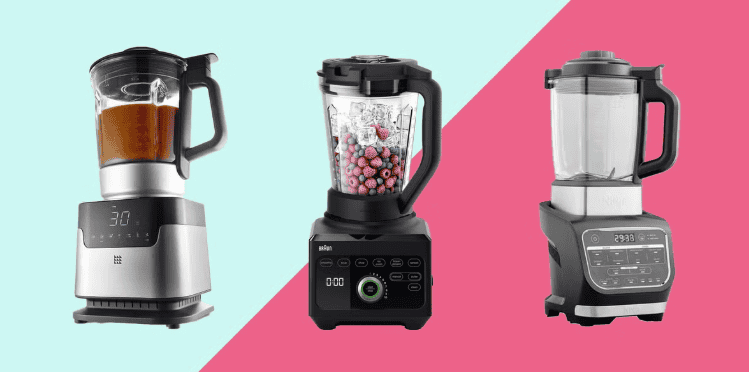
Selecting the best soup maker for you: Your choice of soup maker will largely depend on the size of your family, how you like to cook and your budget. Here are seven of our favorite models out there right now.
Morphy Richards Soup Maker – The Best of the Best
The Morphy Richards model is particularly special for its durability and unfailing performance. This blender soup duo whizzes up everything from silky bisques to chunky vegetable medleys.
Key Features:
- 1.6-liter capacity serves 4-6 people
- Easy to use with four automatic programs for various textures
- Non-stick coating for easy cleaning
- Closed lid safety lock: operating the appliance is not possible with the lid open
- 1000-watt motor handles tough ingredients
Why It’s Great: This cooking device yields silky smooth results without lumps and bumps. The heating element disperses heat evenly, so there are no hot spots that can burn food. Its best feature is probably its construction, customers all agree that it’s robust and works well.
The cost makes it affordable for all budgets. Replacement parts are easily accessible, so they are still a good value in the long-term. Sleek design adds a smooth aspect on any counter-tops of standard size.
Cuisinart Hot and Cold Blender – The High End Workhorse
Cuisinart delivers professional results to your home kitchen. This kitchen gadget is perfect for hot soups as well as cold ones, like gazpacho and smoothies.
Key Features:
- 1.75-liter capacity for larger families
- Variable speed control for texture differentiation
- Hot and cold blending capabilities
- Tamper tool for thick mixtures
- 1300-watt motor for superior power
Performance Highlights: The strong motor blends ice and frozen vegetables in a snap. A thoughtful feature (temperature control) ensures delicate items won’t be over-cooked. The self-clean feature is a life-saver and saves so much time.
This model comes highly recommended from many a professional chef for its dependable results. The investment will pay off in years of dependable service and excellent soup.
Ninja Foodi Personal Blender – So Why So Small?
Ideal for singles or couples, this compact soup maker has big features and small scale. The individual-sized servings mean less waste but the same quality.
Key Features:
- 18oz personal cups to make and take your morning smoothie or favorite drink on the go
- Nutrient extraction technology
- Auto-IQ programs for one-touch operation
- Travel lids for on-the-go meals
- 1000-watt motor in compact design
Perfect For: The space saving design keeps apartment dwellers happy. The grab-and-go convenience is highly valued by busy professionals. Having several cups provides the option to meal prep for few days.
It’s a great budget option given its price point. For many students and young professionals it’s an easy way to get tasty, healthy take-out.
The Professional’s Pick: Vitamix Quiet One
When the sound makes a difference, this blender soup maker will deliver high-quality restaurant results quietly. Great for early morning or late night cooking without waking others.
Key Features:
- Quiet sound enclosure cuts noise by 40%
- Optimized blade design
- 1.4 liter (47-ounce) capacity
- Revolutionary ice crushing technology
- Pulse feature for added control and precision
- Commercial-grade motor for durability
- Self-cleaning functionality
Professional grade performance creates every texture and consistency. The reliability and precision of this model means perfect flavor profiles you’re cooking. The motor is capable of running continuously without overheating. This is the brand professional chefs count on.
Its quiet operation makes it well-suited for open-plan homes or apartments with thin walls. Early morning smoothies won’t wake your family up.
Sage Smart Soup Maker – The Best Soup Maker if You Want the Latest Tech
Smart meets simple in this soup-savvy cooking appliance. App connectivity and programmable features attract tech-savvy cooks.
Key Features:
- Smartphone app control and monitoring
- Eight pre-programmed settings
- Keep-warm function maintains temperature
- For meal planning, delayed start time
- 1.7-liter capacity with measurement markings
Smart Features: Remotely monitor cooking from anywhere in the home. The application offers recipe recommendations based on available items. Automatic timing means perfect results with the push of a button.
New features and recipes are continuously added via software updates. The learning algorithm will learn about your preferences as you go.
Tower Soup Maker – The Cheap and Cheerful Winner
You don’t want to pay a premium for great performance. It’s not the most expensive, but it is the best value soup maker here.
Key Features:
- 1.6-liter capacity for family meals
- Four texture settings from fine to chunky
- Safety features prevent accidents
- Easy-clean non-stick interior
- 1000-watt heating and blending power
Value for Money: The clean design lacks unnecessary clutter. Simple operation and easy control makes it senior friendly. Dependable performance competes with pricier models.
The installation process is fast and easy, with great customer service. The peace of mind from the warranty is a major selling point for the price conscious potential buyer.
Tefal Easy Soup – The Easy Use Favorite
Innovative design simplifies soup making with this kitchen gadget to suit even the most skilled or newbie chef.
Key Features:
- Extra-large 1.8-liter capacity
- Five automatic programs
- Graduated measurements on the jar
- Safety lock and thermal protection
- 1100-watt motor for consistent results
Benefits For Beginners: Precise markings take out the guesswork when adding ingredients. The generous capacity serves family style portions. No-fail operation makes cooking stress-free for first time users.
The recipe booklet offers many kinds of recipe ideas as well as troubleshooting tips. There is inspiration and support available online as well.
Key Features to Look for When Purchasing Soup Makers
There are a variety of factors to keep in mind when choosing the best soup maker for you. Knowing this can be a strong way of narrowing down your options.
Capacity Requirements
If for single person or single household, then 0.5-1 liters are enough. For small families, any of these sizes is more than sufficient. If you’re part of a big household, or like to meal prep, try for 1.7 liters or more.
Think about how much you normally serve, and how much you can store for a while. Larger batches save time but take up more storage space. Smaller batches stay fresher longer.
Power and Performance
Motor power has a direct relation to overall blending quality and cooking speed. 1,000+ watts: High wattage models can handle tough ingredients like carrots and potatoes with ease. Lower powered models might have issues with hard vegetables.
Heating elements vary in effectiveness. High-quality models heat evenly for uniform cooking. Less expensive models could lead to hot spots that burn your food.
Safety Features and Controls
Safety locks prevent accidental operation when the lid is loose. Motors automatically turn off when they overheat due to thermal protection features. These characteristics provide protection both to the operators and the appliance.
Easy to use controls make for stress-free operation. The buttons are all clearly labeled and placed in logical positions. Digital displays are useful for cooking details.
Cleaning and Maintenance
Non-stick interiors wipe clean in seconds. Dishwasher safe parts streamline post-meal cleanup. Automatic self cleaning cycles take care of hard to clean residue.
Removable parts make cleaning and maintenance a breeze. Readily available components keep regular maintenance simple. Exceptional craftsmanship stands up to daily use without losing its effectiveness.
Recipes To Make The Most Of Your Soup Maker
These easy recipes show how quick and easy the soup process has become with the modern soup maker. Each can be prepared in 30 minutes or less.
Classic Tomato Basil Soup
Ingredients:
- 6 fresh tomatoes, quartered
- 1 medium onion, chopped
- 3 garlic cloves
- 2 cups vegetable broth
- Fresh basil leaves
- Salt and pepper to taste
Place all ingredients in your soup maker. Choose the smooth program and let it work its magic. The outcome is as good as what you’ll get at a fancy restaurant for a fraction of the cost.
Hearty Vegetable Medley
Ingredients:
- 2 carrots, diced
- 2 celery stalks, chopped
- 1 potato, cubed
- 1 cup green beans
- 3 cups chicken broth
- Mixed herbs and seasonings
This hearty soup is a great demonstration of how you can control texture in a high-quality model. The vegetables are the perfect degree of tender and make for a hearty, filling meal.
Creamy Mushroom Delight
Ingredients:
- 8 ounces mixed mushrooms
- 1 leek, sliced
- 2 cups cream or milk
- 1 cup vegetable stock
- Fresh thyme
- White wine (optional)
The smooth program makes fine and creamy textures, perfect for fine dining. This dish has a wow factor yet is foolproof. For more soup maker recipes and kitchen tips, visit https://dtdfhomeandkitchen.com/ for additional inspiration.
Maintenance Tips for Long-Lasting Performance
Good soup maker care will dramatically increase its life. These are easy activities that will help prevent common issues, and keep your unit working at its full potential.
Daily Cleaning Routine
Wash the container as soon as it is used. Dried food might be more difficult to remove. Good old warm soapy water takes care of the majority of your cleanup needs.
Gently wipe the heating element with a damp cloth. Avoid any strong/harsh chemicals which may cause damage to the product. Regular cleaning is far better than allowing buildup for performance.
Weekly Deep Cleaning
Add a squirt of dish soap and warm water enough to fill the container halfway. Use the cleaning cycle to help better dissolve and remove residue. This is an automatic process that gets into places a manual clean can’t reach.
Visually check seals and gaskets for wear and damage. Replace broken parts immediately to ensure safety and performance. Most manufacturers offer parts directly for sale.
Storage Best Practices
Keep your cooking device in a dry place out of direct heat. Over time, moisture can ruin electronic equipment. Ensure complete drying before storage.
Store the user manual and recipe book in an easy-to-access place. These are resources to troubleshoot and to find encouragement for new recipes. Additionally, digital versions tend to contain updated content and more information.
Cost-Benefit Analysis: Investment vs. Convenience
The best soup makers are a great alternative to eating at a restaurant or purchasing prepared food. The initial price more than makes up for itself through convenience and savings.
Financial Benefits
Soups in a restaurant run between $8 and $15 per serving. Homemade ones using a soup maker work out to be $2-4 per serving. This doesn’t sound like much, but for families that eat soup frequently, the savings add up fast.
And when purchased in bulk, the cost goes down even more per serving. Seasonal vegetables in their prime are cheaper and tastier than out-of-season alternatives.
Time Value Calculation
It takes 1-4 hours in the kitchen to make soup the old fashioned way. Soup makers whittle this to 5 minutes of prep followed by hands off cooking. The time savings alone is worth it for busy families.
A reliable soup maker means better meal planning becomes a lot easier. When you can whip up food that is good for you in no time, it means less stress in general and better family nutrition.
Health Investment Returns
It’s better to make your own soup, which is packed with more vitamins and less of the nasty stuff. Good nutrition creates better health in the long run. And the long-term gains are far greater than the cost of entry.
Being in control of the ingredients is key in managing dietary restrictions and allergies. Personalized recipes meet family preferences and provide a balanced diet.
Common Soup Maker Mistakes and How to Avoid Them
Why should you try to figure everything out when other people have gone before you and can offer valuable insight?
Overfilling Problems
When the capacity is overloaded, spillover and uneven cooking can occur. The majority of models perform best at around 70-80% capacity. Give the ingredients enough space to circulate during blending.
When heated, liquids can overflow due to expansion. Use basic recipe measurements and adjust as you gain experience.
Ingredient Preparation Errors
If your vegetables are overly large, that physical blockage keeps the food from blending properly. You want about 1-2 inch pieces for best results. Denser vegetables, such as carrots, should be cut smaller than softer ones, like tomatoes.
Adding dairy too early can result in curdling. Cream, of course, gets added after the cooking process has finished, and that makes it a better ingredient for a lot of recipes that call for milk.
Program Selection Confusion
Different programs serve specific purposes. Smooth settings are optimal for cream soups and purees. Chunky settings retain pieces for heartier textures.
Reading the manual keeps you from being confused and frustrated by your programs. Specific types of ingredients and methods of preparation are suited to one setting or another.
The Best Soup Maker Accessories for a Better Soup-Making Experience
The right accessories also extend what your soup maker can do and makes your life easier.
Essential Add-Ons
Additional containers ensure you can batch cook and conveniently store. Having several containers also means you wash less between recipes. Glass jars tend to give better flavor retention than the plastic kind.
Measuring cups with metric and imperial measurement markings for convenient, accurate measurement of various foods and liquids. Accurate measurements provide the same results that work every single time. Opt for heat-resistant materials that can safely work with hot liquids.
Storage Solutions
Airtight containers will ensure soups last a little longer. Glass containers are safe for refrigerating and freezing. Containers can be labeled with the date and contents so they’re easy to identify.
Freezer-safe bags take up less room and stack well. Divide into portions to use for fast lunch ideas. Flat bags defrost more quickly than containers when you need the meal ASAP.
Seasonal Soup Making Strategies
Each season comes with a whole different set of ingredients and flavors to explore. Adapting your soup maker recipes to the time of year can add flavor and save money.
Spring Fresh Options
Spring vegetables (think asparagus, peas and fresh herbs) make for light, refreshing soups. These cook fast and keep their colors in soup makers.
Cleaning your cooking appliance for early spring means hours of extra use during peak growing seasons. Inspect all parts and replace any that are worn.
Summer Cooling Solutions
Cold soups such as gazpacho let your soup maker show you its range. No heating the kitchen required.
Frozen fruit smoothies are naturally healthful additions instead of ice cream and candy. Children enjoy the process of creating smoothies and so healthy eating becomes fun.
Fall Comfort Foods
Autumn brings with it robust vegetables that make warming soups. Squash and pumpkins and root vegetables make you feel like preparing for the chilly climate ahead.
This is the season for the best prices on storage vegetables. Load up on hardy varieties that keep well, for winter soup making.
Winter Warming Traditions
There’s a fun rhythm to making winter soups as a family. There’s nothing quite so comforting on a chilly night as a hot, steaming bowl of soup. Your soup maker is really good with heavy cream and thick textures.
People want to cook indoors more when they’re not doing anything outside. Soup making makes the house smell so good and feel warm and inviting.
Troubleshooting Common Soup Maker Issues
Even the finest kitchen tools can sometimes be a little unwieldy. Knowing why recipes fail and how to fix them keeps your soup maker serving up deliciousness.
Texture Problems
When soup is lumpy, it is often that the blender is not run long enough or the ingredient pieces are too big. Process for longer, or cut ingredients in smaller pieces, next time.
If things are too watery, it usually means you’ve added too much liquid or too little thickening ingredients. You may want to add cornstarch, flour, or pureed vegetables to thicken if it is watery.
Heating Issues
If you notice inconsistent heating, there may be mineral deposits on the heating element. This is avoided by performing regular descaling with vinegar solutions. Clean as often as the manufacturer recommends.
Gradual heating may be due to worn heating elements or electrical problems. Please reach out to customer service for diagnosis and possible repair.
Operational Difficulties
Lid issues are typically caused by bad seals or misalignment. Examine the alignment and change the seals when they are damaged. Most manufacturers stock replacement parts.
Motor problems will usually involve service from an expert. Be cautious about taking your device apart, as this can void warranties. Be clear about issues when you reach out to support.
Budget-Friendly Soup Making Tips
Getting the most from your soup maker means being savvy in your food shopping and ingredients.
Smart Ingredient Shopping
Seasonal vegetables are cheaper and taste better than off season vegetables. Base recipes around what’s in season and is most available and affordable in your area.
Stock up on frozen vegetables. Frozen vegetables work well in soup makers, and are often cheaper than fresh varieties. They are pre-cut and retain their nutrients well. Stock up on sale for year-round savings.
Batch Cooking Strategies
Batches keep the cost-per-serving down and save time. The vast majority of soups freeze really well for future meals. Clearly label portions with contents and dates.
Ingredient prep sessions maximize efficiency. Wash, cut and portion vegetables when you can. If you desire, instead of assembling these ahead, put all ingredients into freezer bags and freeze. For comprehensive guides on meal prep and kitchen efficiency, check out resources from Consumer Reports for expert advice.
Leftover Integration
Create soup bases from leftover proteins. Cooked chicken or beef or leftover vegetables will bring flavor and texture to basic broths. It saves you food waste and produces satisfying meals.
And vegetable scraps are a great foundation for the stock of any future soups. Keep the bits: onion ends, celery leaves and herb stems in freezer bags. When filled with water it can be used to simmer for homemade broth.
Health Benefits of Eating Soup All the Time
There are lots of health benefits that also come with soups aside from basic nutrition.
Hydration Support
Soups make a strong daily contribution to fluid intake. It can be a challenge to consume enough water in the course of a day. Drinking soup can help you stay hydrated as well as obtain nutrients.
The combination of solids and liquids mixed together reduces the rate of eating. It promotes healthy digestion and makes the meal more satisfying to eat. Eating more slowly can help improve appetite control.
Weight Management Aid
Soup consumption may result in decreased total caloric intake at meals. The volume of the food and its liquid characteristic do create a feeling of fullness before the meal. This is what makes them an excellent solution for weight management.
Vegetable-based soups are high in fiber and nutrients but not that many calories. They fill you up without filling you out, making them ideal for people who are watching their weight.
Digestive Health Benefits
Hot soups are often gentle on the digestive system and comforting when we’re not feeling our best. In some cases, nutrients can be more readily absorbed in liquid form than from solid food.
Homemade soups contain no preservatives and less sodium than canned soups. This reduces digestive stress and keeps the gut healthy in general.
Getting the Most Out of Your Soup Maker
Once you become confident with basic operation, the possibilities open up for your soup maker.
Layering Flavors
Give aromatics time to develop flavor. These ingredients are able to have the essential oils extracted during the heating cycle, before the other ingredients are added.
Addition of ingredients in portions creates complexity. The most resilient (the hardy vegetables) go in first, and the most delicate (the quicker-cooking ones) last. This keeps the food from overcooking but still helps everything cook to the same degree of doneness.
Texture Variations
Leave some ingredients out for textural interest prior to pureeing the mixture. Set aside a little vegetable to mix in after blending to have contrasting textures in the same bowl.
Try varying the blending times to your preferred consistency. Some recipes do well with short pulses which leave the ingredients looking chunky and texturally diverse.
Flavor Enhancement
Lightly toast spices in a dry pan before adding to enhance flavor. With this one easy technique you can take boring old seasoning to a whole new level.
The addition of fresh herbs at the end also helps to retain the bright flavors that diminish during the cooking process. Save some herbs to sprinkle on top to keep things looking fresh and tasting great.
What You Can Expect to See in Soup Maker Technology in the Future
The market for soup makers is growing and new technologies and features are being implemented into soup making machines.
Smart Home Integration
Voice control capability enables hands-free operation as you prepare other food. Works with smart home systems for control and monitoring from your phone.
Internet-linked recipe databases offer limitless inspiration and seasonal guidance. Just like any smart home device, your soup maker will get even smarter over time with software updates, and features that bring you the best cooking experience. Automatic updates will keep new features coming to your appliance as you introduce new and improved recipes to your kitchen.
Sustainability Features
Energy-efficient models are good for the environment and save on utility bills. Better insulation means heat is retained for longer with reduced use of electricity.
Environmentally friendly materials and environmentally friendly packaging also show a growing awareness of the environment. Many manufacturers now value green production technologies and recycle all the component parts.
Enhanced Safety Systems
Sensors that prevent overheating and improper lid placement. These safety upgrades make soup makers even more foolproof and kid-friendly.
Auto shutoff systems save energy and protect the life of your appliance. Intelligent detection stops operation when safety conditions aren’t met.
Soup Makers: Questions and Answers
Can soup makers cook with frozen vegetables? Yes, the majority of the latest soup makers process frozen vegetables very well. In reality, frozen vegetables are often preferable to fresh, since they are pre-cut to size. Include them frozen, not thawed, for the best results.
What is the shelf life of homemade soups in the refrigerator? Homemade soups keep for 3-4 days in the fridge. Transfer to airtight containers and allow to cool completely before refrigerating. If you’re looking to store longer, portions can be frozen for up to 3 months.
Are soup makers electricity guzzlers compared to cooking on a hob? Soup makers tend to be more energy efficient than cooking soup on the stovetop, since they cook much more quickly and are more effective at heating. Insulated containers hold heat better than open pots, further saving energy.
Can I use my soup maker to make cold soups? A lot of models also have cold blending functions that are ideal for gazpacho, fruit soups and other cold preparations. Review the specifications of your model to ensure cold blending capability.
How are soup makers different from regular blenders? The combination of heating element and blending that soup makers have is a combination of both functions. Most blenders simply mix the ingredients, they are not designed to heat them as well.
How can I avoid my soup sticking at the bottom? Leave enough liquid in and don’t use dairy during the cooking process. Stir in cream or milk at the end of the cooking time. Regular cleaning helps to avoid buildup and sticking.
Can I use soup makers to make baby food? Yes, soup makers are great at making smooth, healthy baby food. The fine texture and low temperature cooking prevent nutrient loss and are ideal for weaning babies.
Are soup makers good for protein soups? Absolutely! Most models will do a good job of dealing with cooked proteins. Add pre-cooked chicken, beef or beans toward the end to keep them from turning to mush while blending flavors.
Choosing the Right One for Your Kitchen
The ideal soup maker is one that caters to your unique requirements while also considering price and features. When making decisions, think about the frequency of your cooking, the number of persons in your family and the size of your kitchen.
Good soup machines last years and provide many delicious meals. The health benefits and convenience make it worth it for most families. Make your selection based on your priorities, and not purely on price.
Begin with simple recipes to get to know your machine. As you become more confident, you can work on more intricate recipes. Before you know it, your soup maker will become essential in your kitchen.
Whether you opt for an affordable model or splurge on high-end features, these seven soup makers will upgrade your cooking game. Fast, healthy, tasty soups are just a button click away.
The path to easy, healthy cooking begins by making the right choice when you select your cooking appliance. Your future self will be grateful for this smart kitchen investment.