

The key to making delicious, restaurant-quality meals at your place begins with the right equipment, and that’s what you get with the dynamic chef DIAN kitchenware Non-Stick Stir Fry Pan Set! Whether you’re a novice cook or a seasoned pro, the right pan can make all the difference in your cooking. Stir-fry pans mean fast cooking, healthy meals, and endless flavor possibilities.
Stir-frying is a hot and fast business. So the right cookware is equally important to get the job done well. This article guides you in selecting the best wok pan for the money and provides you with some tips on how to best cook in your wok for best results.
Why Everyone is So Excited About Stir-Fry Cooking
There are so many reasons that stir-frying appeals to the modern home cook. For one thing, this way of cooking vegetables locks in nutrients better than similar methods. Second, everything cooks up fast, which is great for busy weeknight dinners. Third, many flavor combinations can be fashioned from basic ingredients.
Also the stir frying requires very little amount of oil if compared to deep frying. This is how it makes your meals healthier and still taste so good. Most of all, the high-heat cooking generates that extra special “wok hei” taste that restaurants are known for.
And busy families, in particular, love how quickly stir-fry dinners can be made. If you’ve prepared ahead, you can get dinner on the table in under 20 minutes.
Essential Characteristics That the Best Stir-Fry Pans Should Have
Heat Distribution and Retention
The ideal stir-fry pans heat the surrounding surface of the entire pan evenly. Hot spots form due to uneven heating and burn ingredients while leaving some parts undercooked. Seek pans with thick, heavy bottoms that conduct heat efficiently.
Metal and Heat Retention: Carbon Steel and Cast Iron. Both carbon steel and cast iron are excellent conductors of heat. These store thermal energy and release it slowly while being cooked. Your ingredients therefore cook in a more uniform way, all along the way.
Size and Shape Considerations
Traditional wok pans have sloped sides and a round bottom. This provides the optimal size for the best maneuverability so ingredients can be easily flipped and tossed. The design of the stainless steel ring about the center is an ideal way to help control the weight. Get perfect pans with less oil. The concave shape of the wok pan is perfect for allowing food to slide around as you flip and toss so that the oil spreads evenly.
Details of the wok pan:
- Stainless steel cooker
- Special design
- 6 sizes available
- 1.3cm height
Difference for the material:
- Since the cost of the different materials can be different, so this price is a stainless steel one, we also have a cast iron one. Package including a cooker and a CD (Color box).
- BBQ wok pan, material is same with wok, but they look like an egg and flat bottom with a high quality plate.
- Colored box: We can make this box as the color the client wants, and print as the client’s request.
- The high-quality formula pastes of pneumatic switch is durable and efficient in time, no leaking.
But most home stovetops cook more evenly with flat-bottomed models.
Then pick the size that works best for your family. 12-inch pans can be used efficiently for small households. Families of 3-5 will appreciate 14-16-inch models for larger portions.
Handle Design and Safety
Ergonomic handles make stir frying easier and safer. Determine if it stays cool to the touch or resists heat. A few pans even include helper handles on the side opposite the main handle for enhanced grip.
Long handles prevent your hands from getting close to the heat source. But, keep in mind that the length of the handle should not cause you trouble when storing it in your kitchen cabinets.
Best Materials for Stir-Fry Pans
Carbon Steel: The Professional Choice
Carbon steel has good thermal conductivity and with a little seasoning, becomes naturally non-stick. Professional chefs favor this material due to its fast reaction to heat alteration. Carbon steel is naturally slick and with proper seasoning, it will become more non-stick with time.
These pans are actually quite light, especially compared to cast iron. But they do take more upkeep than nonstick varieties. For best long-term results, use your coated or non-stick kitchenware with regular seasoning to avoid rust and preserve the cooking surface.
Pros:
- Excellent heat distribution
- Develops natural non-stick coating
- Lightweight and maneuverable
- Affordable price point
Cons:
- Requires regular seasoning
- Can rust if not dried properly
- Initial learning curve for maintenance
Cast Iron: Maximum Heat Retention
Cast iron stir-fry pans are great for even heat. Even after heated up, they have heat retention for the duration of the cook. This is especially good for searing meats before you add vegetables.
The only downside is that they are heavy and require maintenance. Cast-iron pans can weigh much more than other kinds. They also require regular seasoning to avoid rust, and keep their non-stick surface.
Stainless Steel: Low Maintenance Option
Stainless steel provides durability and easy cleanup. These are pans that won’t corrode and can handle being cleaned in the dishwasher. But food sticks to it more than with other materials unless you use a proper amount of oil.
Multi-layered stainless steel is able to distribute heat better. Aluminum or copper-core pans are more thermally efficient.
Non-Stick Coatings: Beginner-Friendly Choice
Stir-fry pans with non-stick variety are great for beginners who don’t want to tackle any cleanup. Food is so easy to release, with little oil or fat needed for cooking. But, non-stick coatings can deteriorate under high heat.
Nearly all non-stick pans can’t handle the intense heat that you need for classic stir-frying. Do not set gas at its hottest setting — use medium high heat.
How to Pick the Perfect Wok Pan for Your Kitchen
Assess Your Stovetop Type
Gas burners can be controlled to the perfect heat for stir-frying. They also offer instant temperature changes and will work with most traditional round bottom woks. Electric or induction cooktops need a flat-bottomed pan to make actual contact.
Induction cooktops require magnetic materials, such as carbon steel or cast iron. Confirm compatibility before purchasing if you have an induction range.
Consider Your Cooking Style
Serious stir-fryers should invest in good carbon steel or cast iron models. These supplies only get better with time and last for decades with normal care. Less-frequent cooks may opt for a non-stick surface or stainless steel, both of which are easier to care for.
Consider the kinds of dishes you are planning to prepare. Stir-fries with lots of vegetables do fine in any material. When it comes to meat, it’s great to have something that can take very high heat like a champ.
Budget and Longevity Factors
A good quality stir-fry pan can be had for between $30 and $200 depending on the material used and how it was made. Carbon steel is the best value for serious cooks. Cast iron is highly durable but more expensive.
Non-stick pans are less expensive initially, but should be replaced every few years. Stainless steel is in the middle for price and durability.
How to Season Your Pan
You can easily maintain the original non-stick characteristics by simply following very easy seasoning instructions.
Initial Seasoning Process
Brand new carbon steel and cast iron pans must be seasoned before their first use. Begin by cleaning the pan in warm, soapy water to eliminate factory coatings. Dry thoroughly and heat the pan until a water droplet dances on the surface.
Add a thin coat of high-heat oil, such as grapeseed or avocado oil. Heat skillet until oil begins to smoke and turn off heat. Allow the pan to cool completely so you can wipe out the excess oil.
Maintenance Seasoning
Once seasoned, the pan’s surface naturally builds up the seasoning layers. Hand wash the pan with a brush or sponge and prepare for your next meal. Keep away from soap, only if necessary for residues.
Dry the pan quickly, and let the heat do the rest to evaporate any remaining water. Add a coat of oil when pans are still warm to continue keeping your cookware seasoned.
Troubleshooting Common Seasoning Issues
Sticking usually means not enough seasoning and imprecise temperature control. Slowly develop more seasoning layers through regular cooking. Cook with some oil when breaking in until completely non-stick.
Rust spots require immediate attention. Get rid of rust with fine steel wool, and re-season those patches. Avoid future rust problems by storing pans in dry places.
Cooking Techniques: How to Unlock Your Pan’s Potential
Proper Heat Management
Stir-frying works best at high heat over short cooking times. Pre-heat your pan for a few minutes until warm, and then add oil. The pan needs to be hot enough that oil shimmers as soon as you add it.
Put ingredients in according to the time it will take to cook. Begin with aromatics, such as garlic and ginger, move on to meats, then to tougher vegetables and, lastly, to more delicate greens.
Oil Selection and Usage
Opt for high smoke point oils for stir-frying. Peanut, grapeseed and avocado are great for high heat. Skip the olive oil or butter, which can burn and add bitterness to the dish.
Only use enough oil that leaves a little bit covering the pan. Too much oil makes food greasy and destroys the crispy texture that you’d normally get while stir-frying. Swirl the oil so it coats the entire pan and then put everything else in.
Ingredient Preparation Strategies
Get everything ready to go before you heat the pan. Because stir-frying itself goes fast, there’s no time for cooking-time chopping and measuring. Slice vegetables evenly so they cook at the same rate.
Pre-marinate meats for maximum flavor! Pat dry ingredients to remove any extra moisture that could steam food before browning. And while we’re talking about it, ingredients at room temperature cook more evenly than those that are cold.
Top-Rated Stir-Fry Pan Recommendations
Best Overall: Carbon Steel Flat Bottom Wok
Carbon steel wok pans combine the performance of professional cooking with the durability of cast iron. They are quick to heat, preserve heat evenly and achieve non-stick properties over time. This is why pro chefs prefer this material when serious stir-frying is on the menu.
The round bottom shape lends itself well to proper heat distribution and food tossing. But these are best suited for cooking on gas, or with wok rings on an electric stove.
Best for Electric Stove: Flat-Bottom Carbon Steel
Flat-bottomed carbon steel pans work well for use on electric stove tops. They perform about as well as round-bottom ones and work with any stovetop type. They are the best compromise for home cooks with electric ranges.
The flat design also allows for convenient storage in most standard kitchen cabinets. Many models are equipped with long handles for safe cooking.
Best Budget Option: Heavy-Duty Non-Stick
Value for price with quality non-stick stir-fry pans are a great find for the infrequent cook. They do not use much oil and are a snap to clean up. Those with thick aluminum bases are designed to heat more evenly.
Whenever possible, opt for non-stick pans with metal-utensil-safe coatings. These last longer and withstand more aggressive stirring than regular non-stick surfaces do.
Premium Pick: Hand-Forged Cast Iron
The hand-forged cast iron wok pan is the best for heat retention. With the right care, these are heirloom-quality pieces that can and will be passed down for generations. They’re good at keeping consistent heat throughout the cooking process.
Yes, the upfront expense is higher, but in terms of performance and longevity, the price of admission (for serious home cooks at least) is worth it. These are the sort of pans that just get better and better with time and use.
Kitchen Cookware Compatibility and Storage Solutions
Stovetop Compatibility Guide
Gas ranges work with any style wok pan and offer excellent temperature control. Flat-bottomed pans are required so that the electric coil burners make contact. Smooth-bottomed cookware is necessary with glass-top electric stoves to avoid scratching.
Induction cooktops will only function with magnetic material. Test pans with a magnet before buying if you have an induction cooking surface.
Storage and Organization Tips
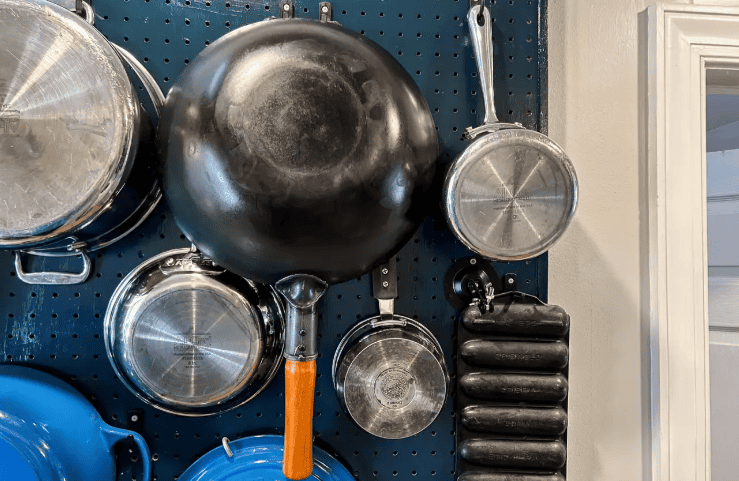
The storage complexity of large stir-fry pans can be challenging. Wall mounted racks and shelves can also be useful for hanging pans in order to save space in cabinets. Or put them in deep drawers with protective padding between them.
Have pans accessible because stir-frying means fast temperature changes. Do not pile heavy pans on top of the cookware that could scratch non-stick coating or seasoning layers.
Cleaning and Maintenance Best Practices
Clean stir-fry pans directly after cooking while they are still warm. Most food soil can be eliminated with hot water and a soft-bristled brush. Steer away from harsh detergents that can remove seasoning from carbon steel and cast iron.
For really stuck-on bits, add water to the pan and bring to a gentle simmer. The heat loosens up the bits of stuck food, making them easy to remove.
5 Pitfalls That Will Kill Your Stir-Fry
Overcrowding the Pan
Too much food added at one time causes the temperature of the pan to drop. This results in steamed ingredients and not really seared properly. If need be, cook in batches to keep the heat high.
Steam is the enemy of the caramelization that produces depth of flavor. Allow a little gap between pieces, so moisture can drain off quickly when cooking.
Using the Wrong Temperature
Not enough home cooks apply enough heat to stir-fry effectively. The pan should be just hot enough for the ingredients to sizzle on contact. But temperatures that are too high can scorch tender vegetables before they have a chance to cook through.
Know your stove’s heat output and adjust accordingly. The home range will not be able to match the intensity of those burners at restaurants, so if you find the food isn’t quite working in the allotted time, cook it a bit longer.
Poor Ingredient Timing
Adding all ingredients at once will cause you to have food that is not evenly cooked. The sturdier the vegetable, the longer it will need to cook: Carrots, for example, take longer to tenderize than leafy greens. Begin with longer-cooking ingredients and add shorter-cooking ones.
Typically, proteins require cooking separately before being combined with the vegetables. This prevents overcooked ingredients while meats are also coming to temperature.
Cooking Essentials: Tools and Accessories
Must-Have Utensils
Use long-handled spoons or spatulas with great results for stir-frying. Wooden or heat-resistant silicone utensils are safe for non-stick surfaces. Metal utensils are fine for use with carbon steel and cast iron pans.
Tongs are great for control when turning larger items. Look for models with comfortable grips and that lock closed for convenient storage.
Preparation Equipment
Sharp knives are essential for quick and easy food preparation when stir-frying. A good, sturdy cutting board will give you a nice stable work surface for chopping vegetables and slicing through chunks of meat. Mise en place bowls are a great way to portion ingredients and have them ready for cooking.
Small prep bowls are the best choice to keep your dish’s taste organized. Sauce dishes, in small prep bowls, keep sauce and aromatics organized before cooking even starts.
Safety Equipment
Heat resistant gloves protect your hands from hot pans. Splatter screens keep oil from making a mess on your stovetop and other surfaces. You should have fire extinguishers on hand any time you cook with high heat.
Use Pot Holders: Keep pot holders that are designed for moving hot cookware close. Do not leave hot pans unattended, particularly when frying in oil.
Maintenance and Care Guidelines
Daily Cleaning Routine
Take care of your pan and it will last! Work with hot water immediately after cooking while pan is still warm. Use soft brushes or sponges and prevent any scratching on the surfaces.
Dry them off completely for carbon steel and cast iron and give it a thin coat of oil. This prevents rust and saves the seasoning layers. Keep in dry places with good airflow.
Deep Cleaning Methods
Sometimes, pans require deeper cleaning to get rid of built-up residue. For carbon steel and cast-iron, we recommend using coarse salt as an abrasive and just a little bit of oil. Scrub lightly to remove stuck on food without removing the seasoning.
Avoid using abrasive cleaning for non-stick pans. To help loosen stuck on food, soak in warm soapy water. Replace non-stick pans once coatings start to flake or wear, no matter how well you follow these instructions.
Long-Term Storage Tips
Keep your seasoned pans in a dry place in order to avoid rust and water spots. Line inside of pans with paper towels for protection. Occasionally check the stored pans and re-season if needed.
For your investment quality cookware, climate-controlled storage is ideal. Basements and garages are typically too humid to work as storage spaces.
Comparison Table: Stir-Fry Pan Materials
| Material | Heat Retention | Maintenance Level | Price Range | Ideal For |
|---|---|---|---|---|
| Carbon Steel | Good | Medium | $30-80 | Everyday cooking |
| Cast Iron | Better | High | $40-120 | Frequent use |
| Stainless Steel | Good | Low | $50-150 | Easy clean-up |
| Non-Stick | Poor | Low | $25-100 | Beginners |
| Aluminum | Good | Low | $20-60 | Budget cooking |
Health Benefits of Stir-Fry Cooking
Nutrient Preservation
The fast cooking times help maintain the nutrition in vegetables. High temperature seals in nutrients that longer cooking methods can — and do — burn away. This makes stir-fried vegetables healthier than those that are boiled or steamed.
With little in the way of cooking liquid, water-soluble vitamins get trapped in the food instead of being drained off and discarded in the pot liquor. As a result, your family is getting the full nutritional benefit from every meal.
Reduced Oil Usage
A real stir-fry shouldn’t use that much oil, as compared to other methods. The high heat combined with the constant motion mean that you can get away with using just a tablespoon or two of oil without things sticking. This lowers the calorie value significantly compared to deep frying.
The rapid cooking doesn’t allow the oil to break down into anything unhealthy for you. Good, fresh oils keep their beneficial properties intact during the cooking process.
Portion Control Benefits
Stir-fry means you eat big servings of vegetables and smaller servings of protein. Together, they encourage healthy eating and good nutrition. The vibrant colors also help children, fussy eaters, and the elderly to make the dish look more appetizing.
You can fill up on vegetables while also incorporating moderate amounts of protein into your meal which can be filling without all the calories. The majority of stir-fry dishes have great nutrition density per serving.
Advanced Cooking Techniques for Superior Food
Temperature Control Mastery
The ability to master temperature helps differentiate good cooks from great ones. Begin on high heat in order to get the pan very hot. Turn down the heat a little bit while you are pouring in the oil so that it doesn’t burn.
Monitor ingredient sounds during cooking. That proper sizzling tells you when the temperature is right. As soon as sizzling ceases, raise the heat to continue to cook at proper temperature.
Sauce Integration Methods
The sauces should be placed in the last few minutes so they don’t burn. Make a little well in the middle of the ingredients and pour the sauce there. That way the sauce heats without being directly against the hottest parts of the pan.
Keep stirring when the sauce is in to ensure sauce flavors are evenly distributed. The sauces will continue to thicken with just the residual heat.
Ingredient Layering Strategies
Fine chefs put in the ingredients just so to get things right. The aromatics, garlic and ginger, go in first, to infuse and flavor the oil. Then go for proteins.
Tougher vegetables come after the proteins, and softer vegetables get thrown in toward the end. Tender leafy greens and herbs get dropped in at the last minute to prevent overcooking.
Shopping Guide: Where to Find Quality Stir-Fry Pans
Physical Store Advantages
In kitchen specialty shops, you can pick up pans before buying. Weight it in your hand and check the balance for easy handling. Look at construction quality and examine the materials used.
Professional-grade models are available at affordable prices in restaurant supply stores. Usually of the same quality as used in commercial kitchens, these shops have what you need.
Online Shopping Considerations
Online retailers have a much more diverse selection, and they offer competitive prices. Take note of products that have been reviewed several times so you can get a sense of real-world performance. Seek out complete product specifications and easy return policies.
Look at shipping costs on heavy items, like cast iron pans. Free shipping is available with many cookware orders of a certain size from some retailers.
For high-quality stir-fry pans and complete kitchen solutions, check out DTDF Home and Kitchen for professional-grade cookware options. You can also explore comprehensive cookware guides on serious cooking websites for detailed product reviews and cooking techniques.
Brand Reputation Research
Trusted brands also tend to have better quality control and customer service. Do some research into the company history and manufacturing locations. Some brands offer lifetime warranties on certain lines.
Consider professional chef recommendations and cooking magazine reviews. Those sources give fair assessments after hours of testing.
Budget-Friendly Alternatives That Still Deliver
Entry-Level Carbon Steel Options
You can find good quality wok pans under $50 from several manufacturers. These are perfect for the beginner stir-fryer. They might not feel as premium, but they work the same way as more expensive offerings.
Seek pans with comfortable handles and the right thickness. Stay away from very thin types that don’t heat evenly and tend to warp.
Multi-Purpose Pan Solutions
Large skillets can be used as a replacement when wok pans are unaffordable. Opt for models with sloped sides and sturdy build. They are not as good as specialized woks for stir-frying, but can still make very good dishes.
It’s a great approach for small households that don’t stir-fry often. You can use the same pan for other cooking processes as desired.
Thrift Store and Second-Hand Finds
Well-kept and maintained vintage cookware can be of better quality than newer, less expensive models. Cast iron and carbon steel cookware can be passed down through generations with the right care. Great pieces can also be found at thrift shops or estate sales for a fraction of the retail price.
When buying used pans, examine them carefully for cracks, warping or severe rust. You can clean up and re-season minor surface rust on cast iron without much trouble.
Seasonal Recipes for Stir-Fry Pans
Spring Vegetable Combinations
Be sure to include plenty of fresh spring vegetables, like asparagus, peas and baby carrots, in your stir-fry. Their natural sweetness makes them lovely with light sauces and minimal seasoning. Add some fresh herbs — basil or cilantro — for pops of seasonal flavor.
Spring onions and garlic scapes contribute gentle oniony tastes without overpowering delicate vegetables. These ingredients all cook up quickly and infuse finished dishes with lovely aromas.
Summer Fresh and Light Options
In the heat of summer, hot weather demands meals that cook quickly and don’t heat up the kitchen for too long. Zucchini, bell peppers and tomatoes cook in no time, and wake up the palate. Finish with fresh lime and herbs to keep things cool.
During the summer, you can serve stir-fries over cold noodles or rice for temperature contrast. These pairings create meals that satisfy, but are void of dense, body-warming ingredients.
Fall Harvest Celebrations
It takes just a little bit longer to cook vegetables that tend to be ordered in the autumn, such as butternut squash, Brussels sprouts and sweet potatoes. Cut them small enough for them to properly cook through. Their natural sweetness is a great match for savory sauces.
Fall stir-fries also get heartiness from root vegetables. Blanch hard vegetables for a minute or two first before adding to the main recipe for even cooking.
Winter Warming Dishes
During cold weather, you’ll appreciate heartier stir-fry combinations. Cabbage, broccoli and cauliflower are sustaining during the winter months. These veggies are delicious with warming spices, such as ginger, garlic, and chili peppers.
With winter stir-fries, you can add richer sauces and increase the portion of protein. Enjoy them on top of brown rice or quinoa for a filling, flavorful meal.
Professional Tips from Restaurant Chefs
Heat Source Optimization
The best restaurant chefs stress how essential proper heat is. Home cooks frequently make the mistake of using too low a flame, so the ingredients end up steamed, rather than stir-fried. Push the limits while maintaining control.
Commercial kitchens can achieve much higher BTU ratings than home ranges. Compensate by cooking for slightly longer, but at high heat, throughout the duration.
Timing and Rhythm Development
Pro chefs establish a cooking rhythm for getting the timing right. Practice your mise en place until the physical act of adding ingredients is automated. That leaves you free to concentrate on heat timing and when to stir.
Time the cook on every ingredient and think ahead. Record timings on successful sequences until they are second nature.
Flavor Building Techniques
Build flavors as the dish cooks instead of just at the end with sauce. Toast spices in oil, then add other ingredients. This brings out the essential oils and yields more complex flavor bases.
Develop complexity with distinct seasonings at different points in the cooking process. Base flavors are added early, while bright finishing notes are layered on at the end.
Frequently Asked Questions
What size stir-fry pan should I get to cook for a family of four?
A 14-inch wok pan is ideal for a family of four. It’s a good size – not too small, not too large – for cooking without over-crowding ingredients. Couples can use smaller 12-inch pans, while larger families can take advantage of 16-inch options.
Is it safe to use stir-fry pans on induction cooktops?
Yes, although only magnetic materials work on induction surfaces. Carbon steel works well with cast iron, but aluminum and pure stainless steel won’t work. Use a magnet to see if it will work for induction cooking before purchasing.
How frequently should I season my carbon steel wok pan?
Season new pans before first use, and then maintain the seasoning through ongoing cooking. Re-season once a month for folks who cook often, or whenever food starts to stick. Good seasoning only gets better with time and use.
How is a wok different from a regular frying pan?
Woks have a gradual slope, which means that your food will not only slide around easier, but helps food to be more evenly heated. Most frying pans have straight sides and a flat bottom. The wok shape is more efficient for classic stir-frying techniques.
May I place my stir-fry pan in the dishwasher?
Only stainless steel and some non-stick pans are dishwasher safe. Carbon steel and cast iron need to be hand washed so as not to remove the seasoning. Always consult your manufacturer’s guidelines for cleaning your cookware in a machine before doing so.
Why does food stick even though I’m using oil?
Sometimes when food sticks, there was not enough preheating or cooking at too low a temperature. Make sure your pan is hot before you add oil, and for that oil to shimmer before you add anything to it. Carbon steel or cast iron that is not properly seasoned will also stick.
How can I tell if my pan is hot enough?
The water drop method is a pretty good way to determine if the pan is hot enough. Take a drop of water and sprinkle it on the surface of the pan. If it dances and evaporates in seconds, the temperature is right for stir-frying.
Which oil is the best for high-heat stir-frying?
Grapeseed, peanut and avocado oils, with their high smoke points, are ideal for stir-frying. Stay away from olive oil, butter, or low smoke point oils that can burn and impart a bitter taste at high temperatures.
How do I keep my vegetables from turning to mush?
Cut the vegetables into similar-sized pieces and add them according to how long they take to cook. Keep heat high at all times and don’t overcrowd the pan. Stir ingredients vigorously while cooking to prevent scorching.
Can I cook rice in my stir-fry pan?
Yes, large stir-fry pans are great for making fried rice. You’re going to want to use day-old rice in order to get the best texture and results. The broad surface area allows moisture to escape so rice doesn’t get soggy.
Conclusion: Take the Flavorful Leap and Change Your Cooking with the Best Stir-Fry Pan
The right choice of perfect stir-fry pans is a game-changer for home cooking. Choose carbon steel for professional-level results, cast iron for unparalleled heat retention, or non-stick for easy clean-up–and never underestimate the power of the perfect pan.
Remember that good stir-frying is about equipment plus technique. Work on heat control, ingredient timing and sauce integration to cook restaurant-quality meals at home. You will get a lifetime of use from your investment in quality pots and pans for your kitchen.
Begin with one good pan and some basic techniques. Once you get better, you can add more specialized sizes and materials to your collection. And most of all, have fun discovering new recipes to feed your family and friends.
The road to stir-fry mastery starts with choosing the best wok pan for you, your kitchen, and your style of cooking. Spend time researching thoroughly and buy equipment that you can grow into as you learn to cook. Good cooking starts with good tools, and the right stir-fry pan is an investment in countless meals to come.