

If you’ve ever cut your finger while preparing a quick meal or burned yourself reaching for a pan, you’re not alone. Understanding why kitchen accidents happen is the first step to preventing them. Most people see the kitchen as a familiar, low-risk space, yet it remains one of the most common places for injuries at home. Cuts, burns, slips, and strains happen daily often during routine tasks people have done hundreds of times before.
The reason kitchen injuries are so common isn’t bad luck or carelessness. It’s a combination of habits, environment, tools, and overconfidence. When these factors come together, accidents become far more likely than most people realise.
Why Kitchen Accidents Happen Because Familiarity Breeds Overconfidence
One of the main reasons why kitchen accidents happen so frequently is familiarity. The kitchen feels safe because it’s part of daily life. People cook on autopilot, repeating movements without much conscious thought.
This sense of comfort can lead to:
- Ignoring basic safety habits
- Rushing through food preparation
- Using tools without checking their condition
When tasks feel routine, attention drops. A knife that feels “good enough,” a slightly wet floor, or a cluttered countertop might not seem dangerous until something goes wrong.
Kitchen Accidents Happen More Often in Busy, Distracted Environments
Modern kitchens are full of distractions. Phones, conversations, children, televisions, and multitasking all compete for attention. Many accidents occur not because people lack skill, but because their focus is split.
Common distractions include:
- Checking messages while chopping
- Cooking multiple dishes at once
- Turning quickly between sink, stove, and counter
- Rushing meals before work or school
Distraction reduces reaction time. A momentary lapse is enough for a knife to slip or a hot pan to be grabbed incorrectly. This explains why kitchen accidents happen even to experienced home cooks.

Why Kitchen Accidents Happen Due to Poor Tool Condition
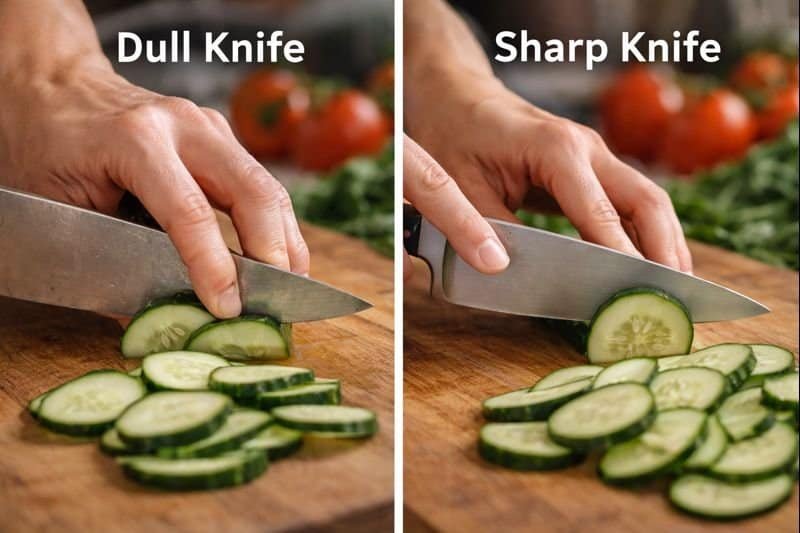
Tools play a major role in kitchen safety, yet their condition is often overlooked. Dull knives, unstable cutting boards, and worn utensils increase the likelihood of injury.
Contrary to popular belief:
- Dull knives are more dangerous than sharp ones
- Extra force increases loss of control
- Uneven cutting pressure causes slips
When knives don’t cut cleanly, people compensate by pressing harder or adjusting their grip mid-cut. These small adjustments significantly raise the risk of injury and are a key reason why kitchen accidents happen so often during basic prep work.
Another Reason Accidents Happen is Because of Kitchen Layout and Design
Not all kitchens are designed with safety in mind. Limited space, poor lighting, and cluttered surfaces all contribute to accidents.
Common layout-related issues include:
- Overcrowded countertops
- Inadequate lighting over prep areas
- Tight walkways near hot surfaces
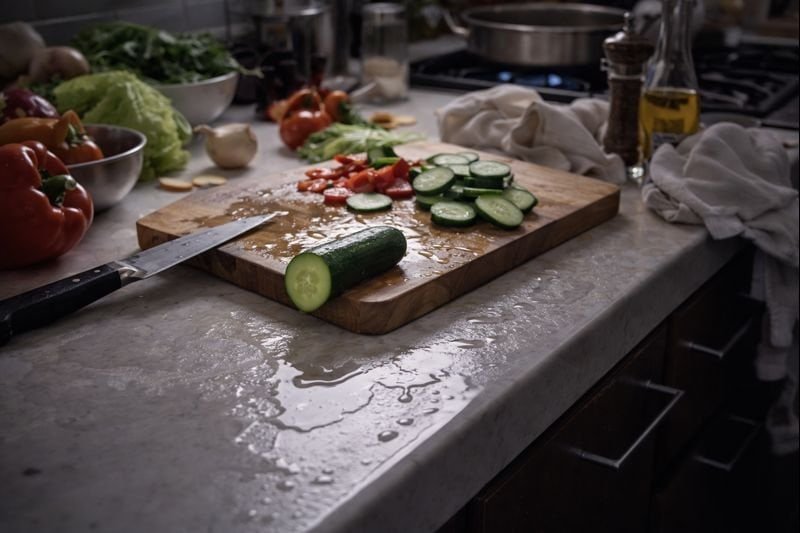
- Slippery flooring
When space is restricted, movements become rushed and awkward. Reaching over hot pans or cutting food in poorly lit areas increases risk. Even a well-equipped kitchen can become unsafe if organisation and layout aren’t considered.
Also Accidents Happen When Minor Injuries Are Normalised
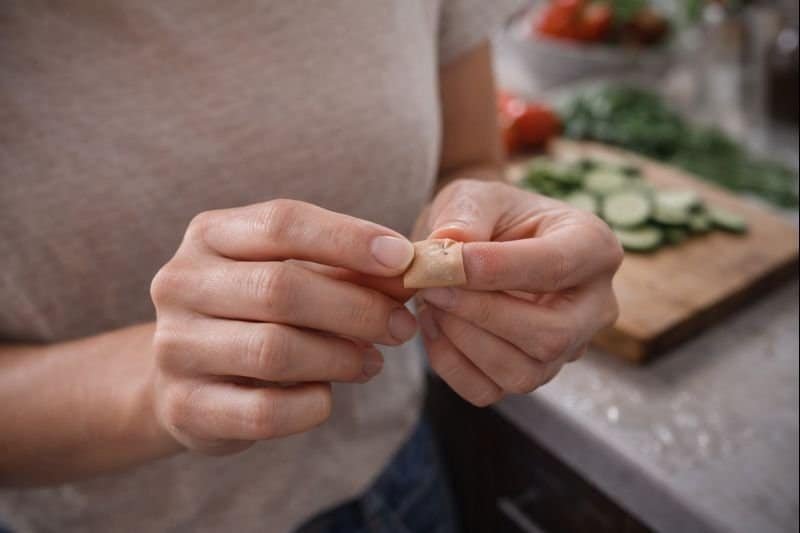
Another overlooked reason why kitchen accidents happen frequently is that small injuries are often accepted as “part of cooking.” Minor cuts, burns, or strains are brushed off and rarely addressed.
This mindset leads to:
- Repeating unsafe habits
- Ignoring warning signs
- Continuing to use unsafe tools
Over time, these minor incidents build patterns of risk. What starts as a small cut can eventually lead to more serious injuries if the underlying cause isn’t addressed.
Another reason Kitchen Accidents Happen is Due to Fatigue and Repetition
Kitchen tasks often involve repetitive movements chopping, stirring, lifting, and cleaning. Fatigue reduces grip strength, coordination, and reaction speed.
Fatigue-related risks include:
- Slower reflexes
- Reduced focus
- Poor posture and hand positioning
Long prep sessions or cooking late in the day increase strain injuries and slips. This physical wear is another reason why kitchen accidents happen even without obvious mistakes.
Why Kitchen Accidents Happen When Safety Habits Aren’t Built In
Safety in the kitchen isn’t about one-off precautions. It’s about habits. When safe practices aren’t part of routine behaviour, accidents become more likely.
Examples of missing habits include:
- Not checking knife sharpness
- Using unstable cutting surfaces
- Carrying hot items without planning movement
- Leaving spills unattended
Without consistent habits, kitchens rely on luck rather than control. Over time, this creates an environment where accidents are almost inevitable.
The Hidden Reasons Kitchen Accidents Are So Common
Most people associate serious injuries with extreme situations, not everyday cooking. This mismatch between perceived risk and actual risk explains why many Injury happen more often than expected.
The kitchen combines:
- Sharp tools
- Heat
- Water
- Hard surfaces
- Distractions
Each element on its own may seem manageable. Together, they create one of the most injury-prone spaces in the home.
Awareness Is the First Step to Prevention
Understanding why kitchen accidents happen changes how people approach cooking. Instead of reacting after an injury, awareness encourages prevention before problems occur.
Recognising the role of:
- Tool condition
- Focus and habits
- Kitchen layout
- Fatigue and repetition
allows people to make small, meaningful changes that significantly reduce risk,sharpening knives safely at home.
Kitchen safety isn’t about fear or complexity. It’s about attention, preparation, and maintaining the tools and habits that support safe everyday cooking.