
Your heart labors all day long and blood is pumped by it without rest in your body. Thus, being very specific about the right kind of heart healthy foods is very essential for great heart health. Doctors have long held that what you eat — or don’t eat — can have a significant impact on how one’s heart functions.
Studies show that heart disease is still the number one killer across the globe. Fortunately, you can dramatically lower your risk by eating the right ones. But adding certain foods to your daily diet can help lower cholesterol, decrease inflammation, and support cardiovascular health overall.
In this all-encompassing list learn about 11 foods that doctors recommend to protect your heart. Plus, you have good advice to help you to craft a heart-healthy diet that is delicious!
The Science Behind Heart-Protective Nutrition
Before getting into particular foods, it’s worth taking a look at how what you eat can impact your heart. To stay healthy and function properly, your cardiovascular system needs certain nutrients. In addition, some other components such as those found in whole foods can actually fight the things that do cause heart disease.
The saturated fats, trans fats and excessive sodium add up to damage your arteries over time. On the other hand, those high in omega-3 fatty acids, fiber and antioxidants help fix and protect your cardiovascular system. Therefore eating heart healthy foods serves as a barrier for your heart.
People who adhere to heart-protective diets are significantly less likely to have heart attacks, strokes and other cardiovascular events, medical studies show. So what you eat today is impacting your heart health tomorrow.
1. Fatty Fish: Friend of the Heart-Based Omega-3s
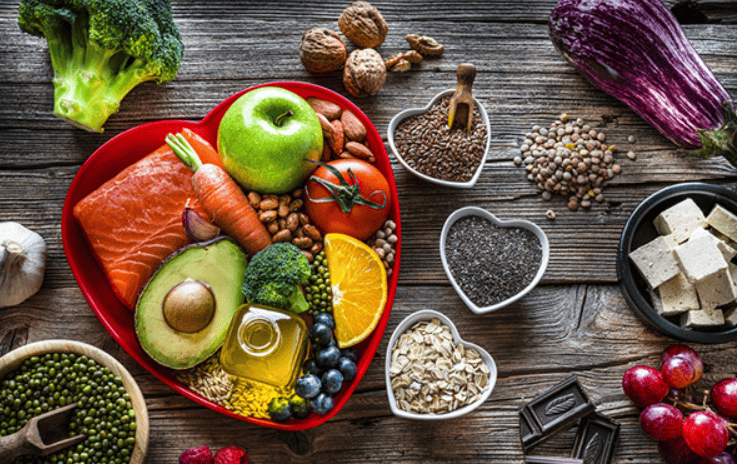
Every cardiologist will urge you to eat fatty fish. Fatty fish, such as salmon, mackerel, sardines, and tuna, are some of the best foods to reduce cholesterol. These contain omega-3 fats, which are the most promising component to protect you against cardiovascular disease.
These healthy fats help reduce inflammation all over your body, including in your arteries. Omega-3s also reduce blood triglyceride levels and prevent irregular heartbeats. According to studies, consuming fatty fish twice a week decreases risk of heart attack by 30%.
According to the American Heart Association, you should eat at least two servings of fatty fish a week. In addition, wild-caught fish generally has more omega-3s than farm-raised.
Best Preparation Methods for Fish
Grilling or baking fish retains its heart-healthy benefits better than frying it. In addition, if you are looking for something more some sage, a little lemon and olive oil to season them, will enhance the flavor without adding unhealthy ingredients.
2. Green Leafy Vegetables: Nature’s Heart Savers
Spinach, kale, arugula and other leafy greens can have a place among the heart healthy foods. These nutrition powerhouses also contain nitrates, which help relax blood vessels and improve blood flow.
Dark leafy greens also contain folate, potassium and antioxidants that are beneficial for heart health. Research has found that eating one serving of leafy greens a day lowers one’s risk of heart disease by 11 percent.
They are also low in calories and rich in fiber. This combination does wonders to keep a healthy weight, and therefore less strain on your heart.
Fun Ways to Get More Greens
Combine spinach in with a smoothie for a nutritional punch that doesn’t alter the taste. Ditto for throwing that chopped kale into soups, stews and pasta. And raw kale rubbed with olive oil makes a fine salad.
3. Whole Grains: Fiber-Rich Champions To Lower Your Cholesterol
Fiber from sources such as oats, quinoa, brown rice and whole-wheat bread help lower cholesterol. Whole grains don’t remove their nutrient rich bran and germ layers like refined grains.
The soluble fiber found in whole grains binds to cholesterol in your digestive system, preventing your body from absorbing it into your bloodstream. Thus, eating whole grains on a regular basis may lower LDL (bad) cholesterol levels by as much as 10%.
Three servings a day of whole grains reduces your risk of heart disease by 20% according to studies. So, switching refined grains for their whole grain counterparts can quickly pay off for your heart.
| Whole Grain | Serving Size | Daily Fiber Content | Heart Benefits |
|---|---|---|---|
| Oats | 1 cup cooked | 4g | Lowers LDL cholesterol |
| Quinoa | 1 cup cooked | 5g | Complete protein, magnesium |
| Brown Rice | 1 cup cooked | 4g | B vitamins, selenium |
| Whole Wheat Bread | 2 slices | 6g | Folate, iron |
4. Berries: Antioxidant-Rich Heart Protectors
Blueberries, strawberries, blackberries, and raspberries are some of the most powerful heart healthy foods. The bright colors of these fruits are lots of vitamin C and the antioxidant anthocyanin, which can reduce inflammation and help protect yourself from heart disease.
Research suggests women who enjoyed 3 serves of berries a week reduced their risk of heart attack by 32%. What’s more, fiber in berries helps control blood sugar, and promotes healthy cholesterol levels.
You can use fresh or frozen berries to gain similar nutritional benefits. But steer clear of berries that contain added sugars, which can undo their heart-protective properties.
Simple Berry Integration Ideas
Eat berries with morning oatmeal or yogurt for a dose of natural sweetness. Not to mention that frozen berries are an ideal addition to smoothies no matter the season. Toss berries into salads to add a burst of color and nutrients.
5. Nuts & Seeds: High Fat Heroes in Heart Health
Almonds, walnuts, pistachios, chia seeds and flaxseeds offer heart-healthy monounsaturated and polyunsaturated fats. These heart-happy foods help lower inflammation, while promoting a cardiovascular system that runs smoothly.
Walnuts get special mention on account of being the only tree nut with significant omega-3 levels. Almonds, for their part, contain vitamin E, which helps neutralize the oxidative stress that occurs in the buildup of plaque in your arteries.
Portion control is still key, because nuts are calorically dense. An ounce or so is all you need to get the benefits without too many added calories.
Nut and Seed Preparation Tips
Opt for raw or dry-roasted unsalted kinds to keep the sodium at bay. On top of that, refrigerated nuts won’t go rancid and will stay fresh. Try to mill the flaxseeds when you eat them to maximize nutrient uptake.
6. Avocados: Smooth and Heart-Healthy
Avocados are rich in monounsaturated fats, which not only help lower bad cholesterol but also increase good cholesterol. They are also a good source of potassium, which helps naturally lower blood pressure.
Studies show that people who eat avocados regularly are less likely to have metabolic syndrome — a risk factor for heart disease. Plus, avocados aid in the absorption of fat-soluble vitamins in other foods.
Avocados are versatile, really easy to throw in everything. And their smooth texture can be substituted for unhealthy fat in a wide range of recipes.
7. Beans and Legumes: Protein-Fiber Powerhouse
Beans like kidney, black, chickpeas and lentils are a good source of protein that is plant based and also heart protective fiber. These cheap, heart healthy foods will help to control blood sugar levels and lower cholesterol.
The high fiber content of legumes contributes to a feeling of fullness and fullness may play a role in weight management. And beans are loaded with folate, potassium, and magnesium, all of which are nutrients that support a healthy heart.
Research has demonstrated that those who consume four servings of beans per week have a 22% lower risk of heart disease than those who consume less than one serving.
Bean Preparation and Storage Tips
Canned beans are convenient, but be sure to rinse well to lower sodium. Also, cooking dried beans from scratch gives you the freedom to add anything you want to your beans. I make recipes in bulk and freeze them for busier weeks.
8. Dark Chocolate: Sweet Heart Protection
Flavonoids in dark chocolate are considered good for the heart as well. They work to enhance blood circulation and decrease blood pressure naturally.
But moderation is still important, since chocolate is high in calories and sugar. A small square, about 1 ounce, several times a week brings heart benefits without too many calories.
Opt for dark chocolate over milk chocolate since dark contains more of the good stuff. Plus stay away from chocolate with caramel, nougat, and other sugary additions.
9. Tomatoes: Lycopene-Rich Heart Supporters
Tomatoes are also good sources of lycopene, the antioxidant that helps protect against heart disease. In fact, cooking tomatoes actually increases the availability of lycopene so tomato sauce or paste would be fantastic.
Fresh tomatoes also contain potassium and vitamin C, which are linked to cardiovascular health. Tomatoes are also low in calories, and when you substitute them for higher-calorie foods, you are able to manage your energy intake.
Studies find that those with the highest level of lycopene in their blood are less likely to have heart disease and stroke. So eating a variety of tomato-based products is important for your heart health.
10. Olive Oil: Liquid Gold for Your Heart
Monounsaturated fats and antioxidants in extra virgin olive oil help to minimize the risk of heart disease. The Mediterranean diet with high olive oil content is well investigated for its cardiovascular effects.
Replace butter and saturated fats with olive oil to lower inflammation and boost good cholesterol. In addition, olive oil makes it easier for your body to absorb fat-soluble vitamins from vegetables and other foods.
Use the extra virgin olive oil version for extra antioxidant action. Also, keep your olive oil in a cool, dark place so it can maintain its healthful virtues. For high-quality cooking utensils to help you prepare these heart-healthy meals, check out https://dtdfhomeandkitchen.com/.
Olive Oil Usage Guidelines
Cook with olive oil on low- to medium-heat to avoid breakdown of its health benefits. And when the dish is done, still add some olive oil on top for its taste and health benefits. The best amount is 2 tablespoons per day (don’t use it more than twice per day).
11. Garlic: Flavorful Heart Medicine
Garlic is rich in allicin that lowers blood pressure and cholesterol levels. This pungent plant has been used as a medicine for millennia, and contemporary studies confirm that it’s good for your heart.
Research suggests that garlic supplementation can lower blood pressure 7–16 mmHg in those with high blood pressure. Furthermore, garlic inhibits the development of clots in the blood vessels, and thus, the risk of heart attacks.
You get more advantages from fresh garlic, but garlic powder has some properties that protect your heart. And waiting 10 minutes after crushing garlic and before bringing it to the flame ensures it makes the maximum amount of the good stuff, allicin. For more information on heart-healthy nutrition research, visit the American Heart Association.
Building Your Heart-Healthy Meal Plan
A balanced healthy diet plan is paramount, you must take time to plan and make gradual changes to your lifestyle. Begin by adding one or two heart healthy foods to each meal instead of making drastic changes to your diet all at once.
Concentrate on whole, lightly processed foods and eliminate saturated fats, trans fats and excess sodium. Also keep portion sizes on the radar, too, as even certain nutritious foods can impact your waistline when you eat too much of them.
Planning and preparing your meals can ensure you have heart-protective choices whenever you need to eat. What’s more, preparing food at home allows for total command over ingredients and methods of preparation.
Weekly Meal Planning Strategy
Plan each meal around vegetables, whole grains, and lean proteins. And also add a bit of color in order to have a variety of nutrients. Instead of processed foods, plan snacks around nuts, fruits and vegetables.
Diet Tips for the Most Heart Benefits
The timing and combination of heart healthy foods can improve their protective nature. For instance, eating vitamin-C-rich foods with iron-rich foods can enhance the absorption of iron.
Replace sugary beverages with water, which can help reduce inflammation and prevent weight gain. Also, you’ll need to restrict alcohol intake, as heavy drinking has the potential to cause long-term heart damage.
Check nutrition facts to find sneaky sources of sodium, sugar and bad fats. Focus on the quality and health of the food, as eating processed food with an ingredient list the length of “War and Peace” isn’t natural.
Smart Shopping Strategies
Shop the perimeter of the grocery store where fresh, whole foods are known to be. And buy fresh in season for the most nutrition and taste. Frozen fruits and vegetables are convenient and nutritious options, keeping if no fresh fruits or vegetables are available.
Common Mistakes to Avoid
Many people make good-faith errors that get in the way of their heart health goals. By steering clear of such traps, you’ll get the most out of your healthy diet efforts.
Not all products labeled “heart-healthy” are good for you. Additionally, many foods that are marketed as wholesome are high in sodium, sugar, or bad fats.
Portion control is also a part of eating healthy foods. Balance also plays a critical role – there are no “complete” foods, and variety, as always, is critical for your heart.
Frequently Asked Questions
How long does it take for heart healthy foods to have a positive effect on my cardiovascular health?
Benefits may be seen in a few weeks of changing diet. For example, cutting down on sodium can drop blood pressure in days but it typically takes 6-8 weeks to see cholesterol improvements. But the biggest protection comes from long-term dietary patterns.
Can I still have treats on a heart-healthy diet?
Absolutely! And the key is moderation and balance. A treat or two now and then isn’t going to derail your heart health if your regular diet is filled with healthy, whole foods. Concentrate on the 80/20 rule… that is eat heart healthy 80% of the time.
Do heart healthy foods cost more than regular foods?
Not necessarily. Most heart healthy foods ranging from beans to oats to seasonal vegetables are very low cost. Not to mention, cooking at home is usually cheaper than dining out and typically offers superior nutrition.
How many heart-healthy foods should I have each day?
Try to add a few heart healthy foods in each meal instead of following particular figures. A diverse diet with different kinds of nutrients is the best prevention from cardiovascular disease.
Do I need to take heart healthy food supplements?
Whole food contains intricate mixtures of nutrients that interact with each other. Although supplements can fill in specific gaps, they can’t replace the full nutritional spectrum of whole foods.
What if I don’t care for some of these heart healthy foods?
Play with the ones you like, and eventually experiment with cooking other styles. For instance, if you hate the taste of plain spinach, add it to smoothies, or pasta where you cannot taste as much.
Your Heart-Healthy Journey Starts Today
Turning around your cardiovascular health need not involve major changes overnight. Rather, slowly adding more heart healthy fare to your plate will offer you myriad good-for-you benefits for the long haul.
Then remind yourself that the body responds to even the tiniest bit of healthier behavior. Besides, consistency beats perfection when it comes to making habits that are going to protect your heart for many years to come.
Begin with one or two changes this week, such as exchanging white rice for quinoa or introducing berries into your morning routine. Then, celebrate smaller wins as you work through the process of improving heart health.
We know heart health begins with the food we eat, but these aren’t just your average heart-healthy staples — trust us, these epic eats will ensure your ticker gets what it needs. What’s more, when coupled with a consistent fitness routine and stress reduction, good nutrition becomes a powerful heart health trifecta.
Start today by selecting any one heart-protective food to include with your next meal. Your future self will thank you for the investment in your cardiovascular health that you are making now.