

So many people believe that healthy cooking equals tasteless, boring food. Nothing could be further from the truth. You don’t have to compromise on taste in order to meet your nutritional needs! The trick is smart cooking methods that add flavor while cutting out excessive calories, fat, and sodium.
There are endless possibilities in the modern kitchen to cook food that tastes great and makes you feel great. From mixing spices to substituting cooking methods, small adjustments can drastically impact not just flavor, but also nutrition. These five simple solutions also reimagine your kitchen without giving up the flavors you crave.
1. Revolutionize Your Spice Game (Your Health Will Thank You)
Seasonings are man’s best friend when it comes to healthful cooking. They add so much flavor without the added calories, sodium, or bad fats. Spices are the world’s original natural medicines, so we need to use them more often, with confidence and authority.
Build Your Essential Spice Collection
Begin with these powerhouse spices that are full of flavor and nutrition. Turmeric has curcumin, which combats inflammation. Cinnamon is known to help balance blood sugar. Dried garlic powder offers health-supportive benefits without the need to prep fresh garlic.
Enjoy the smoky dimension paprika provides to vegetables and lean proteins. Cumin imparts earthy heat to beans and grains. Black pepper will enhance the absorption of other nutrients in your food. These half-dozen spices alone can transform hundreds of dishes.
Proper storage is a must for spices to retain their potency. Store in airtight containers out of the heat and light. Replace dry spices every 12-18 months for the maximum flavor effect.
Create Custom Spice Blends
Creating your own spice blends allows you to control their sodium and additives. Most store bought seasoning mixes have too much salt and additives. Customizing your own is fast and inexpensive and will help boost your nutrition every day.
Experiment with this Mediterranean combination: mix dried oregano, basil, thyme, garlic powder and lemon zest. This combination is amazing on grilled vegetables, baked fish, and whole grain pasta recipes.
For dishes with a Mexican flair, combine chili powder, cumin, paprika and a dash of cinnamon. It boosts the flavor of lean ground turkey, black beans, and roasted sweet potatoes without adding unwanted chemicals.
2. Master Low Fat Cooking Techniques That Work
Cooking low fat doesn’t mean you have to compromise on the taste and texture. The right procedures can even amplify flavors and trim unnecessary fats. You can use these techniques no matter what type of cuisine or cooking style you prefer.
Roasting: Your Flavor Power Tool
No oil roasting allows vegetables to get crispy and provides for natural sweetness to shine. The high heat caramelizes those natural sugars in the vegetables, and you’ve never seen them so delicious, unless they were pulled from the earth hours earlier and sliced into a salad at the corner restaurant.
Slice vegetables evenly so they will cook uniformly. Spread them out in an even, single layer on your baking sheet. Too many will cause the mixture to steam, not crisp up at the edges as you want. Season with herbs and spices then roast for extra flavor saturation.
Root vegetables in general, such as carrots, sweet potatoes and parsnips tend to become very sweet when roasted. Brussels sprouts take on a nutty, caramelized flavor. Simple broccoli is delicious with just a spritz of cooking oil and whatever seasonings you like.
Steam and Sauté Combinations
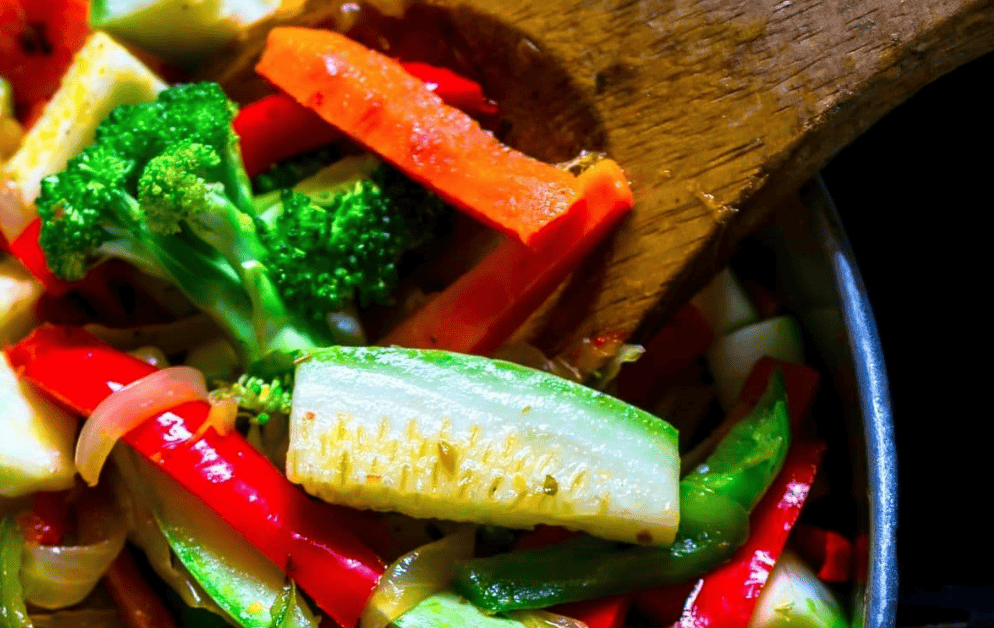
Steaming and sautéing all in the same pot? Begin by steaming vegetables until they are barely tender. After that, sauté them with garlic, herbs or a little low-sodium broth for some added flavor.
It’s a perfect technique for green vegetables such as asparagus, green beans, and snap peas. The steaming locks in nutrients and the quick sauté provides the flavors you’re after. You’ll use less oil while enjoying restaurant-quality results.
When it comes to proteins, poach them in flavored broth, rather than oil-based techniques. Very well-seasoned liquids can make fish, chicken or even eggs taste absolutely fantastic.
3. Use Better Ingredients by Swapping Them for Those That Aren’t
Easy ingredient swaps you can make to overhaul the health of your favorite recipes. These swaps retain the same textures and flavors but also provide vitamins, minerals and fiber.
Grain and Starch Alternatives
Trade processed grains for whole grains for a healthier diet and leaner body. White rice offers half the fiber and protein of brown rice, quinoa or farro. They also taste nuttier and work with many cuisines.
Cauliflower rice is great in a stir-fry and for a grain bowl. It absorbs flavors so well and adds more vegetables to your day. If you haven’t worked with a spiralizer, zucchini and sweet potato spiral into noodles that are delicious with classic sauces.
One of the best – not to mention, most versatile alternatives to potatoes – is sweet potato. It is rich in beta-carotene, fiber and natural sweetness. Mashed sweet potato is amazing in savory or even slightly sweet recipes.
Protein and Fat Substitutions
Greek yogurt can substitute for sour cream and mayo and even a bit of butter in recipes. It is a source of protein and probiotics, and lends a creamy texture. Opt for the plain, unsweetened ones for the most versatility.
Substitute the ground beef with a blend of lean ground turkey and finely diced mushrooms. This combo keeps the texture of the dish you love, but is all nutrient-dense goodness with less saturated fat. The mushrooms also contribute umami flavor that gives the dish depth.
You can also use avocado in recipes as a substitute for butter. It contributes healthy fats and helps give a moist texture to muffins and quick breads. Its mellow flavor is great in chocolate recipes.
Healthy Swap Reference Table
| Original Ingredient | Healthy Swap | Nutritional Gain |
|---|---|---|
| White rice | Brown rice or quinoa | More fiber and protein |
| Sour cream | Greek yogurt | More protein; adds probiotics |
| Beef or chicken broth | Vegetable or mushroom broth | Sodium reduction |
| Ground beef | Turkey and mushroom mix | Less saturated fat; more nutrients |
| Regular pasta | Spiralized vegetables | Less calories |
| Butter in baking | Mashed avocado | Healthy fats, moisture retention |
4. Develop Taste Without Salt or Sugar
Cutting back on sodium and added sugars does not have to translate to bland, tasteless food. Natural flavor boosters can make your healthful recipes even tastier than their processed cousins.
Acid: The Game-Changing Flavor Booster
Acid brightens flavor and makes dishes taste more complex. The addition of a few splashes of lemon or lime juice or some different vinegars can turn a handful of things in a bowl into a proper meal. Add acid late in the cooking process in order to maintain vibrant flavors.
Roasted vegetables and lean proteins shine with balsamic vinegar. Apple cider vinegar provides zip to salad dressings and marinades. Rice vinegar doesn’t make sense for just Asian recipes.
Herbs are a way to add flavor and nutrition to your food without the sodium and calories. Let herbs like basil, cilantro, parsley and mint completely transform a meal. Keep herbs on your windowsill and you’ll have fresh flavors at your fingertips year round.
Natural Sweetness Sources
These can be used to substitute sugar in many recipes. They offer natural sweetness, as well as fiber and nutrients. Pureed dates are particularly good in energy balls and healthy desserts.
Cinnamon and vanilla extract lend the flavor of sweetness without adding sugar. Those flavors trick your brain into thinking you are tasting more sweetness than you actually are. Liberally sprinkle them into oatmeal, smoothies and baked goods.
Roasted vegetables get sweet on their own, which kills the sugar cravings. Roast beets, carrots and bell peppers and they develop a naturally sweet taste.
5. Fast, Simple, and Healthy Recipes for Your Busy Weekdays
In a state of time deficiency, one usually takes refuge in fast food. The nutrition tips included in this article relate to ways you can quickly, easily make your food as delicious and healthy as possible.
15-Minute Flavor-Packed Meals
One-pan dinners need little in the way of prep and cleanup. Put lean protein and colorful vegetables onto one pan. Season and spice to taste, then roast until golden brown at 425°F for 12-15 minutes.
Mix it up with chicken breast and broccoli, bell peppers, and red onion for a whole meal in just one dish. The vegetables cook perfectly with the protein, and everything comes together in minutes.
Stir-fries are fast and keep vitamins in play. Either cook with a little oil or broth for less fat. Prep pre-cut vegetables on weekends for even faster weeknight cooking.
Make-Ahead Nutrition Strategies
Batch cooking will ensure that you set yourself up for a week of healthy eating success. Make a batch of whole grains, lean proteins, and roasted or sautéed vegetables on Sunday. Mix and match as the week goes on.
Cook a large pot of quinoa or brown rice on Sunday. Keep on hand in the refrigerator and you’ll be set up for grain bowls all week. These grains reheat beautifully and can be a springboard for all sorts of healthful meals.
Prep vegetables – washing, cutting and packaging into clear containers. You will use the vegetables you see prepared in front of you. This little trick takes the obstacle out of healthy cooking on a hectic weeknight.
Advanced Techniques for Homegrown Flavor Second to None
These advanced cooking techniques take no more time to prepare, but taste like you’re a professional chef. Learn these methods to take your healthy cooking game to the next level.
Marinating for Health and Taste
Marinades soften proteins and fill them with outstanding flavor. Marinades containing acid like citrus juice or vinegar can also shorten cooking time for lean proteins. It also prevents overcooking, which can leave lean proteins tough and dry.
Make marinades with herbs, spices and as little oil as possible. Even 30 minutes marinating can make a world of difference in terms of flavor and texture. For us, even 12 hours is more than enough time.
For vegetables, quick marinades are also good for adding flavor to raw or lightly cooked vegetables. Probiotics and bracing flavors are there to be found in marinated cucumber salads and quick-pickled vegetables.
Temperature Control for Perfect Results
Cooking temperatures help you end up with desired textures while keeping all the nutrients. High heat sears proteins and caramelizes vegetables speedily while retaining flavor and nutrition.
Medium heat evenly cooks grains and legumes best. Low heat prevents burning and allows soups and stews to develop their flavors gradually. A thermometer will guard you against overcooking the proteins while making sure it is cooked through.
Boiling, steaming, and poaching cooking methods keep more vitamins than high-heat methods. These methods also need no added fats, for great taste and texture.
Meal Planning Tips for Success Every Week
Planning and preparation are essential if you’re going to succeed at healthy cooking. These are the methods to ensure you eat nutritionally and tastily day in, day out, without stress or last-minute dilemma.
Weekly Menu Planning
Base your weekly menu off of seasonal vegetables and on sale proteins. It’s a strategy that guarantees variety but makes it affordable. Base meals around one or two primary proteins and change out the vegetables and grains.
Select a new healthy recipe to add to your collection each week. That way, you won’t get bored and you will get comfortable using new techniques and foods. Jot down your winning recipes for future reference.
Think about theme nights as a way to streamline decision-making. Monday might be sheet-pan dinners, Tuesday could go to stir-fries, Wednesday for soups and so on. This system allows you to meal plan quickly – and guarantees variety.
Smart Shopping for Health
Start in the grocery store’s perimeter. Here is where the fresh fruits, vegetables, lean meats, and dairy products are usually located. These whole foods should fill your cart before you enter the processed foods aisles.
Purchase vegetables in different ways so that you can’t run out. Fresh vegetables are the tastiest, but frozen are more convenient and nutritious. Rinsed of their excess sodium, canned vegetables are great in soups and stews.
Keep your pantry full of healthy staples — think whole grains, legumes, herbs and spices. Keeping these items in stock streamlines meal prep for quick and healthy dishes without an extra trip to the store.
Troubleshooting Common Healthy Cooking Challenges
It’s not easy to change your cooking habits. These tips solve the problems you have most often and help you stay satisfied and full of flavor.
Fixing Bland Healthy Meals
Bland food is typically the result of under-seasoning, not healthy cooking. Taste your food as you cook and adjust the seasoning as necessary. For many that’s salt, but herbs, spices and acid are another matter.
Build flavors by seasoning at various stages of cooking. Season proteins before cooking and add herbs during cooking; finish with fresh herbs or a squeeze of lemon. This offers the layers of flavor that keep these meals interesting.
Don’t forget about texture contrast. Mix soft and crunchy together in one plate. Toss toasted nuts into salads, crunchy vegetables into grain bowls, or fresh herbs into creamy soups.
Maintaining Moisture in Lean Proteins
Lean meats dry out if overcooked. To avoid overdoing it, use meat thermometers. Pull proteins from heat just shy of target temperatures as they’ll continue to cook from residual heat.
Consider brining lean meats before cooking to keep them moist. Even a 30-minute soak in salt water is going to make a pleasant change. For poultry, consider a quick saltwater brine with herbs and citrus for added flavor.
Rest cooked proteins before slicing. This allows the juices to evenly reabsorb into the meat for juicier, more tender results.
Creating Balanced Meals That Satisfy
A balanced meal is high in protein, healthy fats, complex carbohydrates, and tons of vegetables. The result is increased energy and satiety that effectively discourages unhealthy snacking.
The Perfect Plate Formula
Fill half your plate with non-starchy vegetables. These are packed with fiber, vitamins, and minerals for very few calories. Choose vegetables of different colors which provide a wide nutritional spectrum.
One-quarter of your plate consists of lean protein. Among those are fish, poultry, legumes, tofu, and lean meats. Protein is necessary for muscle maintenance and keeps you satisfied between meals.
The other quarter should be complex carbohydrates such as whole grains, sweet potatoes, or other starchy vegetables. These are great for energy and fiber while also keeping your brain happy.
Healthy Fat Integration
Add a little bit of good fat to every meal. The “good” fats like avocados, nuts, seeds and olive oil contain essential fatty acids which assist in the absorption of fat-soluble vitamins. These fats also enhance satisfaction upon eating.
One tablespoon of nuts or seeds will provide a lovely crunch and a shot of nutrition to a salad or grain bowl. About a quarter of an avocado yields creamy texture and healthy fats. A good drizzle of olive oil makes vegetable flavors sing.
Don’t fear healthy fats, but be strategic with them. They’re calorie-dense, so you get a lot of nutritious, satisfying benefits from just a small amount. For those looking to upgrade their kitchen tools for healthier cooking, visit https://dtdfhomeandkitchen.com/ for quality equipment that makes meal preparation easier.
Budget-Friendly Approaches to Nutritious Cooking
Your food doesn’t have to break the budget to be healthy. With some smart shopping and cooking strategies, you can actually slash your food costs while eating better.
Seasonal Eating for Savings
In-season fruits and vegetables are cheaper and better-tasting than the out-of-season varieties. Find out what fruits and vegetables are in season in your area year round. Base your meal planning on those seasonal offerings.
Summer offers plenty of tomatoes, zucchini and stone fruit. Fall provides you with winter squashes, apples, and root vegetables. Spring offers tender greens and asparagus. Winter is all about hearty vegetables such as kale, Brussels sprouts and citrus.
Hit up the local farmers markets for the cheapest and freshest in-season produce. When vendors are trying to move leftover inventory, many of them offer discounts late in the day.
Bulk Cooking and Storage
Cook up big batches of healthy basics and be time — and budget — efficient. Beans, lentils and whole grains cook beautifully in bulk. Measure and freeze these items for easy meal prep the rest of the month.
Cook up a big batch of flexible proteins (grilled chicken, baked tofu, or cooked ground turkey) ahead of time. These proteins can be used in salads, grain bowls, soups and more all week.
Invest in quality storage containers for keeping food quality up and waste down. Glass retains flavor better than plastic and can go from freezer to microwave.
Kitchen Tools That Make Healthy Cooking Easier
The right tools can help healthify any dish and make it faster, easier, and even more enjoyable to whip up. You don’t need a cache of expensive gadgets, but there are a few key items that will help you thrive in the kitchen.
Essential Equipment for Success
A decent chef’s knife can make prep go fast and be fun. Sharp knives are also safer than dull ones. The time you save on prep by learning basic knife skills will be significant.
Non-stick pans make it easy to cook with less oil and produce better results. Opt for high-quality pans that heat evenly and retain the non-stick features well.
Use a steamer insert to turn any pot into a vegetable steamer. Steaming locks in more nutrients than boiling, and retains bright colors and firm textures.
Time-Saving Gadgets
A food processor helps with vegetable chopping while also producing sauces and dips in seconds. Use it to chop cauliflower into rice, dice vegetables for a stir-fry or grind up nuts to make your own nut butters.
An instant-read thermometer removes the guesswork for cooking proteins to safety. This is ideal for preventing undercooking or overcooking, so your meat can be perfectly cooked every time.
A mandoline slicer makes for even cooking and professional, clean presentation. It’s great for cucumber salad, potato gratin, or perfectly sliced apples for healthy snacks.
Meal Prep Tips for Long-Term Success
Meal prepping helps you get ahead on healthy eating for the week. These choices can help you keep up with good nutrition when you are busy and can’t cook from scratch.
Component Cooking Method
Rather than making full meals, cook ingredients that you can mix and match. This allows variety while still cutting down on prep time and food waste.
Cook a few proteins on Sunday: baked chicken breast, roasted tofu, hard-boiled eggs. Make a few different grain choices: quinoa, brown rice or farro. Roast a variety of vegetables to carry you through the week.
Use these components to throw together meals throughout the week. Monday might be chicken with quinoa and roasted broccoli. Tuesday could be tofu, brown rice and steamed asparagus. The combinations are endless with a few pre-made parts.
Storage and Reheating Tips
If you store them right, your food will be optimal and safe all week long. Keep protein and grains separate from fresh vegetables for less wilting. Place dressings and sauces in separate containers until ready to serve.
Label containers with contents and dates to monitor freshness. In general, most items last for 3-4 days in the refrigerator. Portion out any you won’t eat in this time frame and freeze.
Gently reheat foods to help maintain textures and flavors. When reheating grains, add a little bit of broth or water to bring back moisture. Heat proteins until warmed through to avoid drying them out.
Healthy Cooking Mistakes to Avoid
Knowing what not to do can be as valuable as knowing what to do. There are certain common errors that can sabotage flavor and nutrition in your healthy cooking efforts.
Over-Complicating Simple Dishes
Simple food is often the best-tasting food. Don’t think you have to use every spice in your cabinet for a single dish. Opt for 2-3 complementary flavors, and show them off.
Top-quality ingredients are at their finest with only simple preparations. An exquisitely ripe tomato with a light sprinkle of salt and fresh basil can often taste better than complicated sauce recipes.
Emphasize good cooking technique instead of elaborate ingredients. It is better to cook a simple dish well than a complex dish badly.
Skipping the Tasting Process
Always taste your food throughout cooking, especially when experimenting with new healthy recipes. Taste and correct as you cook, rather than crossing your fingers that it all sorts itself out in the end.
Some people are more sensitive to salt than others; some like spiciness more than others. What tastes good to one person may require tweaking for your own palate. Go with your taste buds over strict recipe measurements.
Layer the seasonings for even richer flavors. Season a bit at the beginning, some in the middle and some fresh herbs or acid at the end.
Common Questions About Healthy Cooking
How can I make vegetables taste better without butter or cheese?
High-temperature roasting makes vegetables’ natural sugars caramelize and develop amazing flavor without the assistance of fats. Roast them at 425°F for just the amount of time needed, with only herbs and spices. Stir in a splash of balsamic vinegar or lemon juice at the end for a little extra brightness. Garlic, onions, and fresh herbs also do wonders for veggie flavors without unhealthy additives.
What is the healthiest way to cook to retain nutrients?
Steaming, roasting and quick sauté save more nutrients compared to boiling or overcooking. These methods preserve the color and crunch of vegetables and preserve vitamins, too. Vegetables should ideally be consumed raw or lightly cooked. If you want to consume the most nutritious vegetables, don’t cook food until it becomes mushy. Raw dishes, such as salads, maintain the most nutrients.
Is it really cheaper to cook healthy?
Healthy cooking can actually cost less than processed foods if you focus on whole, seasonal foods. Beans, lentils, whole grains and seasonal vegetables are incredibly healthy and affordable. Cooking at home is also free of restaurant markups and allows you to control the ingredients and the portions.
How can I meal prep without getting bored?
Create variety with the component cooking method. Make several proteins, grains, and vegetables that can be mixed and matched during the course of the week. Mix up your seasonings and sauces and you can have entirely different taste from the same base ingredients. This way, your enthusiasm for healthy food remains and you will not get bored.
How to bring sodium levels down without sacrificing taste?
Swap out salt for acids like lemon juice, lime juice, or vinegar, which naturally bring out flavor. Season your food by using fresh and dried herbs generously for complex flavors without the extra sodium. Garlic, ginger and onions add savory depth. Toast spices first before adding other ingredients and you can dial back the salt.
How do I make lean meats tastier and juicier?
Marinate lean proteins for a minimum of 30 minutes before cooking to enhance taste and texture. Don’t overcook them – use a thermometer to get perfect doneness every time. Allow proteins to rest after cooking to allow the juices to redistribute. Consider preparing them poached in flavored broth, or wet-heat cooking methods like braising.
What are safe alternatives to deep fried crispy foods?
Air frying, high-temperature oven roasting, and pan-searing with just a little oil can make things crispy without deep frying. When coating proteins, replace traditional breading with crushed whole grain cereals, panko breadcrumbs or almond flour. These options offer crunch with better nutrition.
How frequently should I experiment with new healthy recipes?
Start with one healthy recipe a week to build your arsenal without feeling overwhelmed. This way you can learn skills gradually and become more confident. Add successful recipes to the list you regularly cook. Concentrate on learning new cooking techniques, not just accumulating recipes. For more guidance on healthy cooking techniques and nutritional information, check out the Academy of Nutrition and Dietetics for evidence-based resources.
Turn Your Kitchen Into A Health Sanctuary
Designing the kitchen to promote healthy cooking makes it easier to cook well. Small tweaks in organization and equipment can add up to significant improvements in your cooking experience.
Fill your kitchen with the tools and ingredients you need for healthy cooking success. Store whole grains, legumes and herbs and spices within easy reach. Keep healthy oils, such as olive oil and avocado oil, out on the counter for easy access.
Keep fresh fruits and vegetables visible on display to promote their consumption. Hide less healthy choices, or eliminate them altogether, to limit temptation. Keep the healthy choices at eye level and easiest to see in your kitchen.
These simple five tips for healthy cooking will change the way you think of food and nutrition without giving up flavors you crave. Begin with one or two methods and add in the others over time as they become habits. Small, steady shifts produce long-term results far better than huge overhauls that are difficult to sustain.
Your path to better health through good nutrition doesn’t mean you have to forgo tasty food. Rather, it makes way for new flavor pairings and cooking methods to enhance meals even more than before. Chase progress not perfection and have fun exploring just how incredible food that’s both good and good for you can taste.