
Delicious homemade desserts begin with the right pie dishes. Whether you’re making your grandmother’s apple pie recipe or a new chocolate cream creation, the right pie dish makes all the difference.
The right pie dish will ensure your crust bakes evenly. It also makes your dessert look pretty when you serve it. From the traditional ceramic pie pan to nonstick bakeware, there are so many great materials to choose from for today’s bakers.
We’ll also discuss five fabulous pie dishes that would revolutionize your dessert-making adventure. All of these choices provide advantages that might help you to achieve bakery-quality results in your own home.
And Why Your Pie Dish Really Matters
The pie dish you use has an impact that goes beyond the aesthetic. Variations in the way heat conducts through different materials cause your crust to bake and your filling to set differently.
With their glass bottoms, glass dishes allow you to look at the bottom of your crust as it bakes. That way you know when it’s just the perfect shade of golden brown. Metal pans get hot quickly and develop crisp crusts. Ceramic pie pans retain heat and ensure even baking throughout.
And the size and depth of your dish also makes a difference. Most standard recipes are a perfect fit for a 9-inch dish. Deeper versions accommodate more filling; shallower ones are better suited to custard pies.
5 Best Pie Dishes to Change Your Baking Game
Best Glass Pie Dish – The Clear Winner
Nine out of 10 home bakers prefer glass pie dishes. These see-through dishes allow you to monitor your crust without removing your pie.
Key Features:
- See-through design for easy monitoring
- Even heat distribution
- Dishwasher safe
- Works with most recipes
- Usually costs $10-15
Metal heats up faster than glass. This gives your filling time to firm up properly before the edges char. Some glass dishes are pretty enough to go from oven to table.
For decades, the Pyrex 9-inch glass pie plate has been a staple in kitchens. Its traditional design and durability are perfect for beginners and experienced bakers.
Fluted Ceramic Pie Pan – Lovely and Functional
Beautiful baking and presentation. Ceramic pie plates add an elegant touch for all your party needs. These appealing dishes typically have decorative edges and come in a range of appealing colors to match your kitchen decor.
Benefits of Ceramic:
- Retains heat exceptionally well
- Creates evenly baked crusts
- Elegant presentation
- Durable construction
- Great for slow, gentle baking
The material retains more heat than anything else. This means that your pie stays warm for longer after you pulled it out of the oven. The material also spreads heat evenly throughout, helping prevent hot spots that can burn sections of your crust.
Le Creuset produces some of the best ceramic pie dishes on the market. They are stoneware, with a lifetime warranty, and definitely worth the investment for serious bakers.
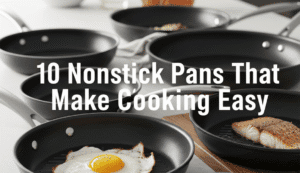
Nonstick Bakeware – Easy Release Every Time
Nonstick pie pans, and their crust-sticking ways, are something of a modern miracle. These coated pans are designed to remove your pie without a hitch and without hassle.
Nonstick Advantages:
- Effortless pie removal
- Easy cleanup
- Less butter or oil needed
- Perfect for delicate crusts
- Great for beginner bakers
Nonstick surfaces, which can be particularly good for fruit pies that could stick on regular dishes. The coating also makes clean up a breeze so you can spend less time scrubbing and more time enjoying your treat.
Nordic Ware makes very good nonstick pans that distribute heat evenly and feature stable coatings. Their dishes remain nonstick even after years of daily use. For more kitchen essentials and baking tools, check out our complete collection.
Cast-Iron Pie Dish: Rustic Appeal and Serious Performance
Despite that, cast iron pie dishes yield gloriously crispy bottoms on crusts; some bakers swear by them. These are heavyweight dishes that hold heat really well and gain natural nonstick properties over time.
Cast Iron Benefits:
- Superior heat retention
- Creates crispy bottom crusts
- Oven-to-table serving
- Improves with age
- Works on stovetop too
Cast iron heats up more slowly, but when it’s hot, it stays hot. That even temperature is what makes uniformly baked, ultra crispy crust pies possible. In addition, many cast iron items even look rustic and homely and can go straight to the dinner table.
Lodge sells a line of affordable pie pans that are cast iron and will last several generations. With a little tender loving care, you can extend the life of these dishes, in fact they get better over time.
Disposable Aluminum – Convenient and Practical
Not only are these disposable aluminum pans convenient, but they are exceptionally useful.
Occasionally, you want pie dishes for gatherings or gift giving. Disposable aluminum pans provide the convenience and you don’t need the dish back.
When to Choose Aluminum:
- Bake sales and potluck dinners
- Gifts for friends and neighbors
- Camping and outdoor cooking
- Testing new recipes
- Emergency baking situations
Aluminum conducts heat efficiently, and it can create a nicely browned crust. These disposable dishes are inexpensive and relieve you of the problem of trying to get your good dishes back from others.
Reynolds makes these and they are bend-proof so they won’t buckle in the oven. Their deep-dish plates are great for big fruit pies and holiday desserts.
How to Select The Right Size For Your Needs
You can use most standard pie recipes just fine in 9-inch dishes. But various sizes have different uses in dessert making.
8-inch dishes are good for small families or times when you want individual helpings. These smaller pans also bake more quickly, an advantage if you are pressed for time.
9-inch pans handle most basic recipes just fine. You’ll get 6-8 generous slices, depending on how you cut your pie.
10-inch plates give more space for filling. In some cases you may prefer a slightly larger pan; it’s particularly good for fruit pies, where you want a nice thick layer of filling in each slice.
Deep-dish alternatives keep more filling inside without spilling over. Use these when you want to make cream pies or recipes with a high quantity of fruit.
How to Obtain the Best Results
As much as your choice of pie dishes, your technique should be the focus. Here are some tips for making bakery quality treats:
Even if it is nonstick, yes, lightly grease your dish. This additional step adds a protective layer that helps to both prevent sticking and to make the pie easier to lift up.
If making a fruit pie, preheat the baking dish in the oven. This hot start is what gives the bottom crust a crispy bottom crust.
Blind bake crusts with pie weights. These tiny ceramic or metal balls will keep your crust from puffing or shrinking.
Also keep an eye on the bottom, especially if you are using a glass or ceramic dish. Watch for that lovely golden brown and then you’ll know your crust is just right.

Caring for Your Pie Dishes for Long Use
If you take care of them, your pie dishes will perform at their best for years. Every material requires its own type of care.
Glass dishes are dishwasher safe, but not for sudden temperature changes. Do not take a hot glass dish and place it in cold water.
For best results, hand wash ceramic pie plates to maintain the decorative finish. Wash it with mild soapy water and avoid scrubbers made of hard substances.
Nonstick bakeware must be handled carefully to keep the nonstick coating from chipping. Try to use wooden or silicone utensils and wash by hand if you like.
Cast iron skillets need to be seasoned to preserve their non-stick nature. Wash them while still warm and dry completely, otherwise they will rust.
Mistakes That Spoil Good Pies
Even if you have perfect pie dishes, a few missteps can thwart your attempts at dessert. Don’t make these basic mistakes for better results.
Overstuffed dishes result in a mess of spillover and uneven baking. You need to leave a bit of a gap, at least half an inch should be enough at the top of your dish.
Too hot and the edges will end up burned, while the centers are still raw. If your recipe indicates you should cool the filling to a certain temperature, follow the instructions to a T.
Skipping blind baking gives you a soggy bottom crust for custard pies. Don’t forget to pre-bake your empty crust for a crisp finish.
Failing to adjust for dish material could throw your timing off. Metal dishes bake more quickly than those of glass or ceramic.
Quality and Cost-Effective Budget Options
High-quality pie dishes need not break the bank. There are plenty of inexpensive options that prove you don’t need to empty your wallet to make dessert.
No-name brand glass pans are often just as good as name brands. Find thick, heavy glass that conducts heat evenly.
Cheap ceramic choices from discount stores can be fantastic. Look for smooth, even dishes.
Value nonstick pans from kitchen supply stores are very good. Look for those with a thicker base to ensure even cooking.
In thrift store searches one may find high-quality vintage pie dishes at bargain prices. Look for chips or cracks before you buy.
Seasonal Pies for All Seasons
Various seasons bring about different types of pies, and your pie dishes could serve to elevate your seasonal dessert game.
Summer fruit pies are best in dishes that don’t hold in too much heat. Glass or aluminum models help keep kitchens cooler.
Holiday cream pies in a decorative ceramic pie pan serve up elegant on any holiday table. They help keep your treats at the ideal temperature for serving longer.
Winter comfort desserts benefit from cast iron’s heat retention. These dishes help keep pies warm during marathon dinner parties.
Spring custard pies require gentle, even heat, which ceramic delivers. This prevents curdling and makes things smooth.
Insider Tips from Professional Bakers
Professional bakers employ a few tricks with their pie dishes that you can adopt at home. These professional tips will help you make the best desserts.
Temperature shock by putting cold filling in a hot dish. This method generates steam that makes crusts puff up and extra flaky.
It bakes more evenly if you rotate it during baking. About midway through baking time, rotate your pie 180 degrees.
Foil collars shield pie edges from burning while centers cook through. Make these shields from standard aluminum foil.
Steam vents in the top crusts prevent soggy bottoms. Cut patterns for moisture to escape. For more detailed baking techniques and tips, check out America’s Test Kitchen.
Frequently Asked Questions
What size pie dish should I start with?
A 9-inch glass pie dish is just right for most recipes. This versatile size perfectly accommodates everything from apple pies to quiches very well.
Is it safe to use metal pie pans in the microwave?
Do not put metal pie dishes in the microwave. For microwaving and reheating, consider glass or ceramic.
How can I tell if my pie plate is oven-safe?
Look at the bottom of the dish for temperature limits. The vast majority of high-quality pie plates can easily withstand conventional baking temperatures of 350°F-450°F with no problem.
Do I need to grease nonstick pie dishes?
Spraying nonstick surfaces with a light coating of vegetable oil spray before using helps make clean-up easier. Use butter or cooking spray, though the coating should prevent sticking.
Can you reuse disposable aluminum pans?
Good aluminum pans can be washed and reused multiple times. But they may begin to lose their form after several uses and at extreme temperatures.
How are pie plates and pie pans different?
These are the same item with different names. Some people like to use “plate” for ceramic dishes and “pan” for metal ones, but they function the same.
How can you stop a glass pie pan from shattering?
Extreme changes in temperature can cause cracking and is not recommended. Allow dishes to cool naturally for maximum longevity.
Do I really need to buy expensive pie dishes?
Quality dishes that align with your baking schedule are the way to go. Occasional bakers will do fine with budget options, and frequent bakers will love high-end choices.
Making Sweet Memories with the Right Tools
No kitchen would be complete without the perfect pie dish! Whether glass, ceramic, nonstick bakeware, cast iron or aluminum, the right dish means more fun and better results with dessert-making.
Good pies are a combination of good ingredients, good recipes, and good equipment. The pie dish you use matters when it comes to getting bakery-quality results at home.
Begin with one great dish that fits your baking style and price range. As you get more adept and confident, you can add different materials and sizes to tackle any recipe that strikes your fancy.
And above all, don’t let the perfect be the enemy of the good. Simple pie plates can yield amazing desserts when handled with a thoughtful touch. Being able to share homemade pies with loved ones matters more than the most expensive equipment.
Happy baking, and may your pie plates bring you a lifetime of sweet moments in your kitchen!