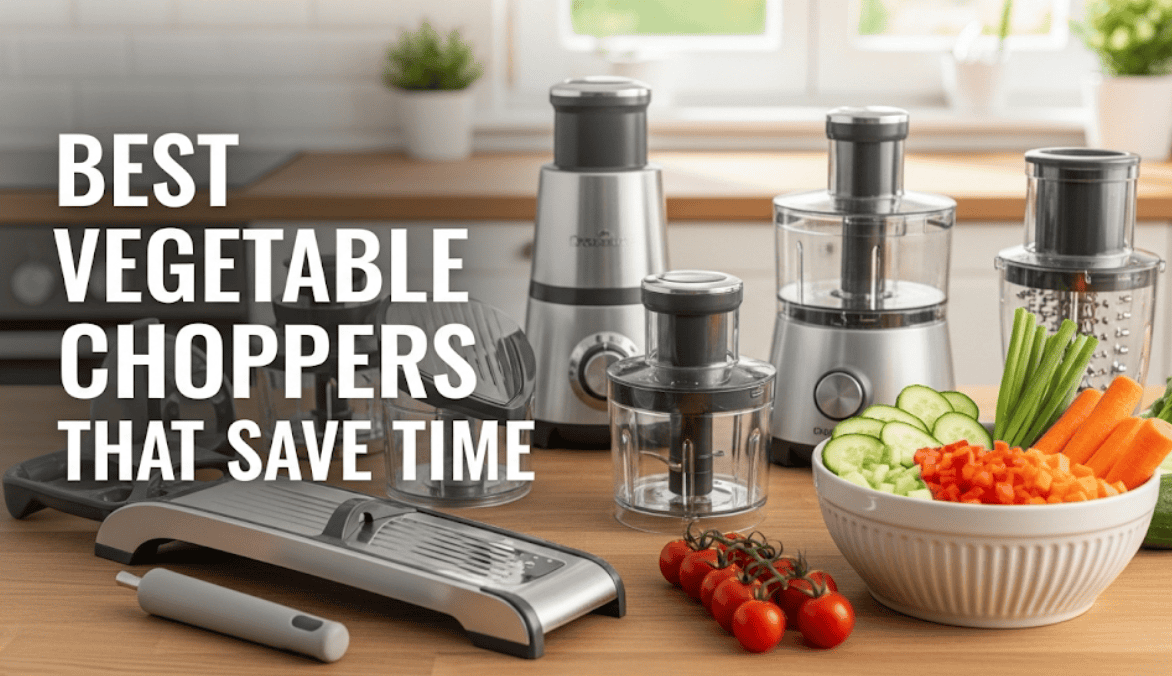
The key to tasty meals is prep work. But hand-chopping vegetables can feel like it takes forever, and if you’re already feeling worn out and sluggish before you even power on the stove, you won’t do justice to the colorful array of produce on your countertop. Enter vegetable choppers, a kitchen’s best friend. These awesome gadgets reduce your preparation time by HALF while keeping portions just right.
Modern vegetable choppers have changed the way we used to chop vegetables. Now, the time you had to use for chopping onions and carrots (30 minutes), you will end up spending all of it within 5 minutes! These smart kitchen gadgets are life-changing in the kitchen, removing the hard work from laborious chopping.
The right vegetable chopper gets the job done, whether you cook for a family of four or are meal prepping for the week. Let’s check out our picks and find the ideal one to suit your kitchen requirements.
Why All Kitchens Should Have Great Vegetable Choppers
In this fast-paced world we don’t have time. Most people spend many hours a week merely prepping food to cook. A good vegetable chopper changes that, right?
These are not just time-saving tools. They also make cooking more fun and less fussy. It frees you up to create amazing flavors without standing around mincing and chopping vegetables.
The Science Behind Streamlined Cooking
Any professional chef knows that even cuts equals even cooking. Uniform size of vegetables means uniform cooking time. That means better texture and flavor in your final dish.
Vegetable choppers yield even pieces that appear professional. Your home-cooked meals begin to resemble food from a restaurant. And, you minimize the threat of nicks and cuts and other wounds from sharp knives.
Health Advantages of the Vegetable Cutter
A slicer and dicer is a must-have unit in your kitchen.
Uniform vegetable sizes result in more nutrients being locked in during cooking. Evenly cut pieces really are key because uneven ones can lead to some things being overcooked while others remain raw. This will destroy valuable vitamins and minerals.
You’re more likely to toss some kale or broccoli in with your chicken breast if you have good food prep tools. The less work it takes to prep healthful ingredients, the more you are likely to choose those nutritious options.
The Best of What the Latest Food Prep Tools Have to Offer
Vegetable choppers are not all created equal. Some are better at specific jobs while others are more versatile. Knowing important features helps you to choose the best one.
Blade Quality and Material
Extend the life of your blades and keep them sharp. Stainless steel blades hold their edge longer. They’re also resistant to rust and stains from acidic vegetables like tomatoes. High-carbon steel provides even more sharpness, although it needs to be treated with care.
Search for blades that you can remove to clean up. Fixed blades are harder to clean and food collects through time.
Size and Storage Options
For most of us, counter space is precious. Compact vegetable choppers that store well beat the bulky ones. Some models have built-in storage containers that also serve as cutting chambers.
Consider your typical batch sizes. Big families require larger capacities while smaller households will choose smaller sizes.
Safety Features That Matter
Quality vegetable choppers have safety locks and non-slip bases. These prevent accidents during use. Hand guards on some models prevent fingers from straying too close to sharp blades.
Look for ergonomic options that will easily fit your hand. For more kitchen safety tips and quality kitchen tools, check out our comprehensive home and kitchen guide.
| Feature | Benefit | Why It Matters |
|---|---|---|
| Sharp Stainless Steel Blades | Clean cuts, durable | No more crushing vegetables, no need to replace blade frequently |
| Non-slip Base | Stability | Minimizes accidents and maintains perfect cuts |
| Easy-Clean Design | Fast cleanup | Encourages frequent use and discourages bacteria growth |
| Multiple Blade Options | Versatility | Works on various vegetables and cut styles |
| Compact Storage | Space saver | Fits into cramped kitchen drawers |
Manual vs Electric Vegetable Choppers: Who Wins?
Home cooks keep debating over which is superior, manual or electric. Each style comes with its own unique benefits for your cooking style and purposes.
Manual Choppers: Simple and Reliable
Hand-held vegetable choppers don’t need batteries and can be used anywhere. They tend to be less expensive and easier to wash. The majority of models are also compact and fit in small spaces.
You have full control over the cutting speed and pressure when using these machines. You can apply your technique to different vegetables. Tomatoes that are soft require gentler pressure than a hard carrot.
But manual choppers need more physical effort. They are most effective for small to medium batches of vegetables.
Electric Models: Power and Speed
Electric vegetable choppers get through a lot, fast. They’re handy for meal prep or batch-cooking for a crowd. Most models have several speed settings for various vegetables.
These are powerful pieces of equipment that do most of the work for you. Load the vegetables, hit a button. The reliable results compete with professional kitchen machines.
Electric models are more expensive and take up more counter space. They also require routine maintenance and careful cleaning of electrical components.
Choosing the Best One for Your Kitchen
Think about how frequently you cook and what quantities you generally make. Electric models make sense for daily cooks who favor fresh meals. Part-time cooks will probably want straightforward manual models.
Consider also storage and budgets. Manual choppers are good value for money, while electric models are a convenient solution.
Best Manual Vegetable Choppers for Home Cooks
There are many styles of manual choppers, from basic dicers to sophisticated, multi-blade contraptions. Below are some of the best that consistently give results to die for.
Pull-Cord Choppers: Easy and Effective
Vegetable choppers with a pull-cord feature a basic structure that quickly rotates blades. Pulling a cord multiple times allows you to control the chopping. More pulls create finer pieces.
They do a good job on onions, herbs and the like. They’re easy to rinse clean and fit inside tiny apartments. The majority of the units have measurement marks for uniform outcomes.
They do have one major disadvantage: their capacity is low. You can chop only little bits at a time. They also struggle with supremely tough vegetables like raw carrots.
Press-Down Dicers: Precision Cutting
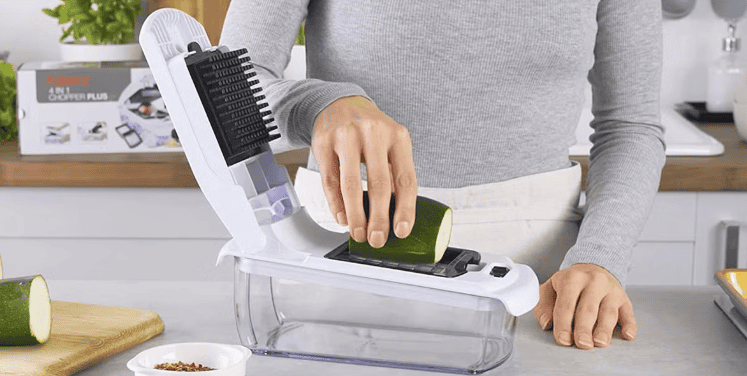
Press-down dicers take a grid of blades and make you come out with perfect cubes. You lay the vegetables in the chamber and press down with force. The result is consistently uniform pieces, every time.
These vegetable choppers are excellent on onions, potatoes and peppers. They create restaurant-quality uniform cuts. A majority of models have different grid sizes for different recipes.
It is hard to clean the processor because there are several blade junctions. Some food particles can become lodged between the blades. But the accuracy benefits usually justify the additional cleaning effort.
Multi-Blade Slicers: Versatile Options
Multi-blade slicers give you a choice of cuts in one tool. You can easily alternate between slices, julienne or dice. Some models come with up to 10 different blade setups.
These meal prep gadgets function as mandoline slicers and are designed with safety features, too. Hand guards make it safe and easy to use, while the design ensures amazing results.
The complex models take longer to learn. You have to give time to every different blade combination. Storage space will also tend to be larger due to multiple components.
Best Electric Vegetable Choppers That Will Work For You
Electric models bring brute force to vegetable prep. These are machines made to do the jobs that would wear out your hands using manual tools.
Food Processor Style Choppers
Large food processors don’t mind chopping vegetables, among many other things. They come equipped with strong motors and roomy bowls. Multiple blade options provide versatility.
These models are ideal for large batches and hardy vegetables. They can shred mountains of vegetables in minutes. The big bowls hold one or more onions and large carrots.
But they do eat up a lot of counter space. They’re also overkill for small chopping jobs. The setup and cleanup might take more time than the reward from chopping.
Compact Electric Dicers
Smaller electric vegetable choppers are designed specifically to chop and dice. Compact, they provide electric power in a smaller footprint.
Most of these models are one-touch devices. Just pile in the vegetables and push a button. The compact design keeps your counter clean and tidy.
Many smaller electric choppers are best for softer vegetables. They may have a hard time with very hard items, such as raw sweet potatoes.
High-Speed Bullet-Style Choppers
Bullet-style choppers are driven by powerful motors in smaller exteriors. They function much like personal blenders, but have chopping-friendly blades.
These vegetable choppers are pros with herbs, garlic and small vegetables. They make a very fine chop which is good for sauces and marinades. The compact design stores easily.
They have a small capacity, so they can’t be used to make large meals. They also have a tendency to over-process vegetables if you’re not very careful about timing.
Specialty Slicers for Specific Vegetables
Certain vegetables need their own types of tools. These special slicers provide clean cuts for perfect results every time for individual ingredients.
Onion Choppers: Tear-Free Cutting
Specialized onion choppers have chambers that trap the pungent fumes. Most have unique blade angles for onion layers.
These gadgets tend to work faster than your typical all-purpose vegetable chopper when it comes to onions. The covered design also minimizes onion juice mess.
But they only work for onions and other round vegetables. So their design is not as versatile as a general purpose chopper.
Tomato Cutters: Uniform Slices Every Time
Tomato slicers feature special serrated blades that easily slice through skin without crushing the fruit. They make consistent slices ideal for sandwiches and salads.
They’re great for overripe tomatoes that are hard to cut with ordinary knives. The results look professional, and the tomato keeps its shape.
They are so specific that their use is restricted to tomatoes. They also need to be cleaned carefully to avoid a build-up of bacteria in the serrated edges.
Garlic Presses and Mincers
Garlic-specific tools end up creating very fine pieces which disperse evenly as you cook. They usually don’t require peeling, which adds to the time saved.
Good garlic presses give you an effective crush by smashing the cells and bursting them open. This releases additional oils and yields more pungent garlicky flavor in your dishes.
You’ll have to store these single-purpose gadgets in the drawer, but they work a lot better than attempting to mince garlic in all-purpose vegetable choppers.
Safety Measures When Using Any Vegetable Chopper
Even the safest vegetable choppers demand correctly performed procedures to avoid accidents. By following fundamental safety guidelines, you protect yourself and prolong the life of your tool.
Before You Start Chopping
Remember to check the vegetable chopper before you use it. Look for any loose pieces, damaged blades or worn safety features. Never use damaged equipment.
Clean vegetables thoroughly before chopping. Trim away any debris, stems or inedible bits. This will prevent damage and extend the life of the blades.
Place your chopper on a secure flat area. Use the non-slip base if supplied. Never operate the unit while holding it.
During Operation Safety
Do not place fingers on or near the blade area when the appliance is in use. Use the provided pushers or guards instead of your hands. Never attempt to clear jams with the blades running.
Move at a smooth, consistent pace. Rushing leads to accidents and undesirable results. If your hands get tired during long prep sessions, take breaks.
Always cut vegetables to an appropriate size before loading. Larger pieces may get stuck in the mechanism or lead to uneven cuts.
Cleaning and Maintenance Safety
Disconnect electric models before cleaning. Clean away food debris quickly to halt bacteria growth.
Use the right tools for cleaning and do not damage blades. A soft brush is preferable to a scouring sponge. Sharp edges should be treated with particular caution.
Store vegetable choppers with blade guards or in a container. This helps eliminate chances of accidental cuts when searching inside storage.
Chopper Care: Tips That Will Prolong Your Chopper’s Life
With the right care, your vegetable chopper will work like new for years. Proper cleaning is part of maintaining a healthy kitchen and can help you prevent problems before they occur.
Daily Cleaning Routines
Wash your chopper right after using it. Food dries and makes it more difficult to clean. Most cleaning jobs can be taken care of with warm soapy water.
Focus on blade areas where there might be food buildup. Use soft brushes for tiny, tight spaces between components. Don’t use any strong chemicals which might harm plastic parts.
Always ensure all the components are completely dry before you store them. Moisture causes metal parts to rust and can harm the electronics in powered models.
Deep Cleaning Weekly
Take apart your vegetable chopper for a thorough cleaning at least once a week. This prevents accumulation of oils and food particles.
Submerge removable parts in hot, soapy water for stubborn residue. Clean with baking soda paste to eliminate odors. Do not use bleach unless advised by the manufacturer.
Inspect all components for wear during your deep-cleaning sessions. Simply swap out worn parts so performance never has to suffer.
Long-term Storage Tips
Vegetable choppers should be stored in clean, dry places. Keep them away from places with extreme heat, cold, or high moisture.
Store all components together to avoid losing any items. Many models come with storage cases or containers, which serve this function well.
Lubricate moving parts occasionally with food-safe lubricant. This prevents rust and ensures smooth operation.
Quality Affordable Choices for the Budget Minded
Cutting vegetables doesn’t have to cost a fortune. Many of the lower-end units perform extremely well for the price.
Under $20 Champions
Entry level manual vegetable choppers in this price range have a core set of features. They are usually characterized by basic pull-cord or press-down operation.
These models are great for occasional usage and small families. They slice through everyday vegetables, such as onions, peppers, and herbs well.
There are definitely quality differences at this price point. Focus on models with strong user reviews and solid construction. Skip any units with flimsy plastic parts.
Mid-Range Winners ($20-$50)
This price range offers the best value for most home cooks. You receive superior materials, added features, and better durability.
Some of the very best electric models fall into this category. They have the power without the premium price.
Usually mid-range models pack in better safety features. Look for upgrades like improved blade guards, non-slip bases or better, more ergonomic designs.
When to Invest More
For people who cook regularly or for big families, it makes sense to spend more on a sturdier, faster machine. They are much more durable, have higher capacity, and are made with premium materials.
Many high-quality models will have better warranties and the ability to get replacement parts. This means they are less expensive in the end.
Consider your cooking habits and family size when setting your budget. People who use it every day get more benefit from premium features than someone who cooks occasionally.
Innovative Uses for Your Vegetable Chopper
In addition to basic veggie prep, these multipurpose tools can assist with a range of kitchen tasks. Get creative to maximize your investment.
Fruit Preparation Made Easy
A number of vegetable choppers are also good for hard fruits. Apples, pears and stone fruits chop nicely for fruit salads and desserts.
Evenly-cut fruit cooks more uniformly in pies and crumbles. They’re also more professional-looking in presentation dishes and platters.
Watch it with super-soft fruits that are liable to turn into mush. Adjust your approach or stick with firmer ones for optimal results.
Herb and Spice Processing
Putting fresh herbs into a vegetable chopper means it’s possible to get them chopped quickly and consistently. This is way faster than chopping by hand and the results come out more uniform.
You can also grind spice blends and seasoning mixes using your chopper. Hard spices may need to be processed more than once for a very fine powder.
Clean well after processing strong herbs and spices. Those oils can stick around and affect later batches.
Nuts and Seeds for Cooking
Lots of vegetable choppers do a decent job on nuts and seeds. This is a great way to add texture to salads and baked goods.
Uniform pieces distribute more evenly in recipes. They also brown much more evenly in situations where cooking calls for toasted nuts.
Begin with shorter processing times when working with nuts and seeds. If you’re not careful, they can go from chopped to ground in a matter of seconds.
Troubleshooting Common Problems
Even the best vegetable choppers can still have a few hiccups. Knowledge of how to troubleshoot these common issues will help keep you cooking smoothly.
Uneven Cutting Results
Ragged cuts are often caused by dull blades or poor technique. If blades aren’t sharp, replace them before use.
Overfilling the chamber results in inconsistent outcomes as well. Work in smaller batches for more consistent cutting.
Different vegetables vary in hardness; process accordingly. Don’t mix soft tomatoes and hard carrots together.
Jamming and Sticking Issues
Mechanisms, particularly in electric models, may become clogged with food particles. Always make sure to completely clean after using to avoid buildup.
Very fibrous vegetables, like celery, run the risk of jamming. Cut these into manageable sizes to process.
Look for worn parts that might be binding. Replace worn parts before they cause more damage.
Cleaning Difficulties
Some models are difficult to clean, particularly those with lots of small parts. Disassemble completely for thorough cleaning.
Soaking helps to free stuck particles. Use the right kind of cleaning tools that won’t damage any surfaces.
Consider this when you buy a new vegetable chopper. Easy-clean options save time and are more likely to be used regularly.
Efficiently Finding Food Prep Time Saving Hacks
This guide to efficient vegetable choppers is one element of streamlined food preparation. Good tools combined with smart techniques are how to work efficiently in the kitchen.
Batch Preparation Strategies
Cook vegetables for multiple meals at a time. Store prepped vegetables in suitable containers to make your meals faster.
Group similar vegetables together for easy prepping. Get all of your onions done at once, then move on to your peppers, then your carrots.
Plan batch prep with your weekly menu in mind. Focus on the vegetables you’ll use in many dishes throughout the week.
Storage Solutions for Prepped Vegetables
With proper storage, prepped vegetables keep well. Utilize airtight containers and the correct refrigerator areas.
Some vegetables store better than others after you chop them. Hardy vegetables, such as carrots, last much longer than delicate herbs.
Label containers with prep dates to help track freshness. Use up older preparations first to minimize waste.
Combining Tools for Maximum Efficiency
Combine with other food prep tools for a complete prep system. Pair it with well-chosen storage containers, sharp knives and efficient cutting boards.
Set up a dedicated area for prep with all your tools close at hand. This cuts down on prep time and makes cooking more enjoyable.
Quality support tools are worth investing in, such as non-slip cutting mats and easy-clean containers. According to Cook’s Illustrated, these enhance the utility of your vegetable chopper significantly.
Frequently Asked Questions
Q: How frequently do you have to replace the blades of your vegetable chopper? A: The majority of good vegetable choppers come with blades that will remain sharp with typical use for 1-2 years. Replace once you see reduced cutting performance or wear and tear. Some companies offer replacement blade sets for their most popular models.
Q: Can I wash my vegetable chopper parts in the dishwasher? A: Refer to your manufacturer’s instructions first. The vast majority of plastic and stainless steel components are dishwasher safe, though with some models, there are parts you need to wash by hand. Never wash electric parts in the dishwasher.
Q: How do I chop onions without crying? A: Try using vegetable choppers that have containers that hold in the vapors. You can also chill onions 30 minutes before chopping, which slows down the release of the tear-producing compounds.
Q: Why do my vegetables get mushy in my chopper? A: This is generally the result of over-ripe vegetables being processed or using too many pulses. Use shorter processing times, and make sure your vegetables are fresh and firm. Different vegetables may need different approaches.
Q: My chopper slides around when in use. A: The majority of good vegetable choppers have non-slip bases. If yours doesn’t, you may want to place a damp towel under the unit to help it stay in position. Never hold the chopper while in use; it’s dangerous.
Q: Can my vegetable chopper work with frozen vegetables? A: Most choppers are best used with fresh vegetables. Frozen vegetables can dull blades, and when you chop them, they may not chop evenly. If you must use frozen vegetables, thaw them before using and expect different results.
Q: What size vegetable chopper should I get for a family of four? A: For a family of four, one with at least 2-3 cups capacity should work well. This allows you to prepare the vegetables that will go into an entire meal without doing multiple batches. Consider how often you cook and whether you’re preparing meals for the week.
Q: Can I sharpen the blades on my vegetable chopper? A: For most vegetable chopper models, sharpening at home is not recommended. It is typically more cost-effective to replace the full blade assembly. Focus on proper care of your blades instead of trying to sharpen them!
The Easiest Meal Planning Ever
The best vegetable chopper turns your kitchen life from a source of frustration into one of peace and efficiency. These time-saving gadgets make clean eating easier and attainable for busy families.
Whether you decide to opt for a basic, ultra-affordable manual model or a heavy-duty electric version, the key is to find one that suits your cooking style and your family size. Focus on quality construction, safety features, and ease of maintenance for the best long-term value.
Remember that even the best vegetable choppers have their limitations, and it’s important to use them as instructed to get the best results. Follow safety recommendations, treat your tool right, and experiment with different vegetables to figure out everything it can do.
Start with a good mid-range model if you’re not sure what you’re going to need. You can always upgrade later as your skills and confidence as a cook expand. Good food prep tools are definitely worth the investment.
The key is picking out the perfect vegetable chopper. Spend some time thinking about what best suits your family’s needs, read lots of reviews and purchase a model that will last many years.
Happy chopping, and here’s to newfound kitchen efficiency!