
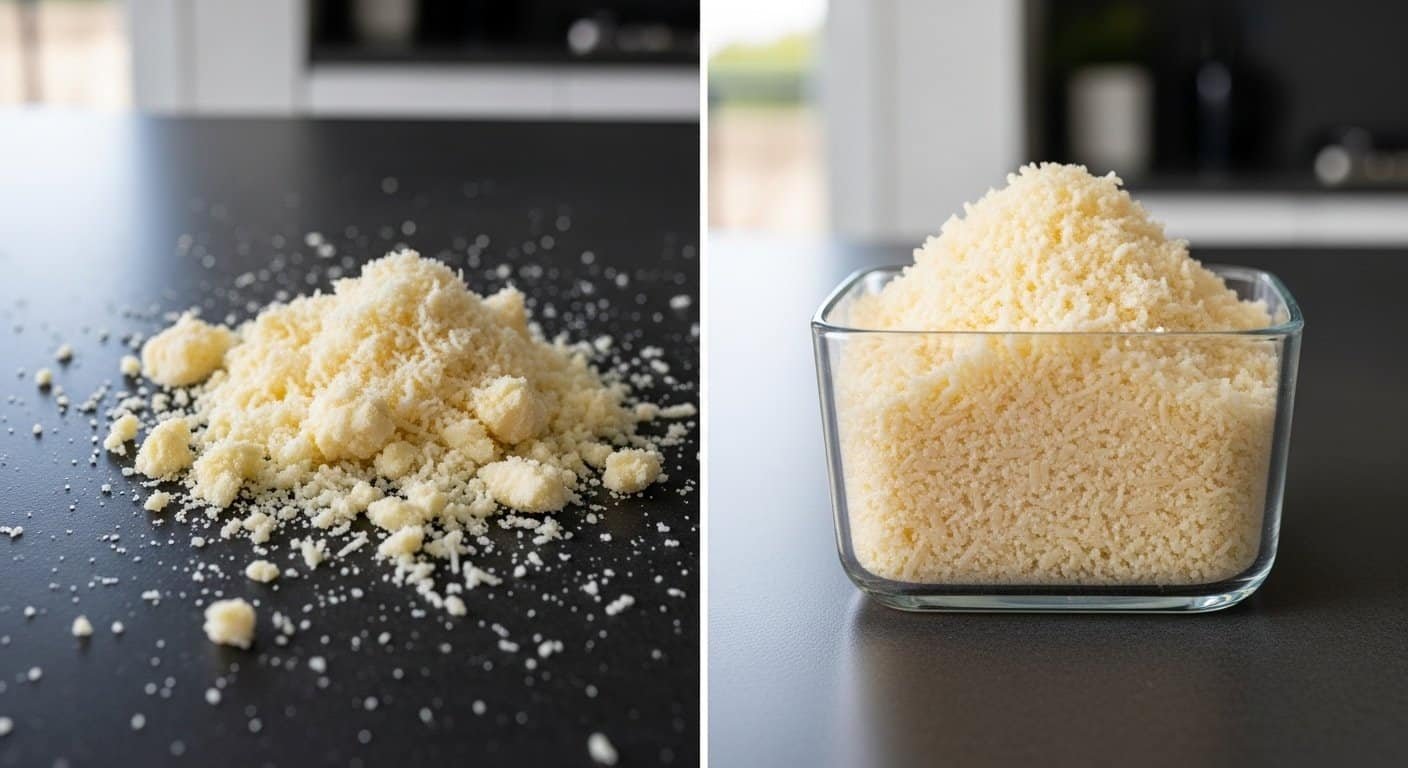
Grating mistakes are one of the most common reasons food texture turns out wrong and ingredients get wasted in the kitchen.
It often starts as a small inconvenience. You grab a grater, move quickly, and expect clean, even results. However, instead of smooth cheese or well-shaped vegetable strands, you end up with uneven textures, clumps, and unnecessary mess.
At first, it may not seem like a big deal. But over time, these small issues add up affecting how your food looks, how it cooks, and even how enjoyable your kitchen experience feels.
The truth is, grating itself isn’t difficult. What makes it frustrating are the subtle mistakes that most people don’t realise they’re making.
The good news? Once you understand these grating mistakes, fixing them becomes simple. And often, the solution isn’t about working harder it’s about working smarter.
Sharp tools make food preparation easier overall. If you’re also struggling with cutting, this guide can help:
How to Sharpen Kitchen Knives Safely at Home
7 Common Grating Mistakes That Ruin Texture
7 Common Grating Mistakes That Ruin Texture
Grating Mistakes: Using the Wrong Side of the Grater

One of the most common grating mistakes is using the wrong side of the grater for the ingredient.
Most graters come with multiple surfaces, each designed for a different purpose. The fine side is ideal for soft textures like cheese or zest, while the coarse side works better for vegetables that need structure.
However, when the wrong side is used, the results can feel completely off. Cheese may become too soft and clump together, while vegetables may lose their shape and become uneven.
For example, using a fine grater for carrots when you need defined strands can result in a mushy texture. On the other hand, using a coarse grater for something that needs a finer consistency can make the dish feel rough or unbalanced.
Taking a moment to match the grater surface with the ingredient makes a noticeable difference. It’s a simple adjustment, but one that improves both texture and presentation.
Grating Mistakes That Cause You to Grate Too Fast
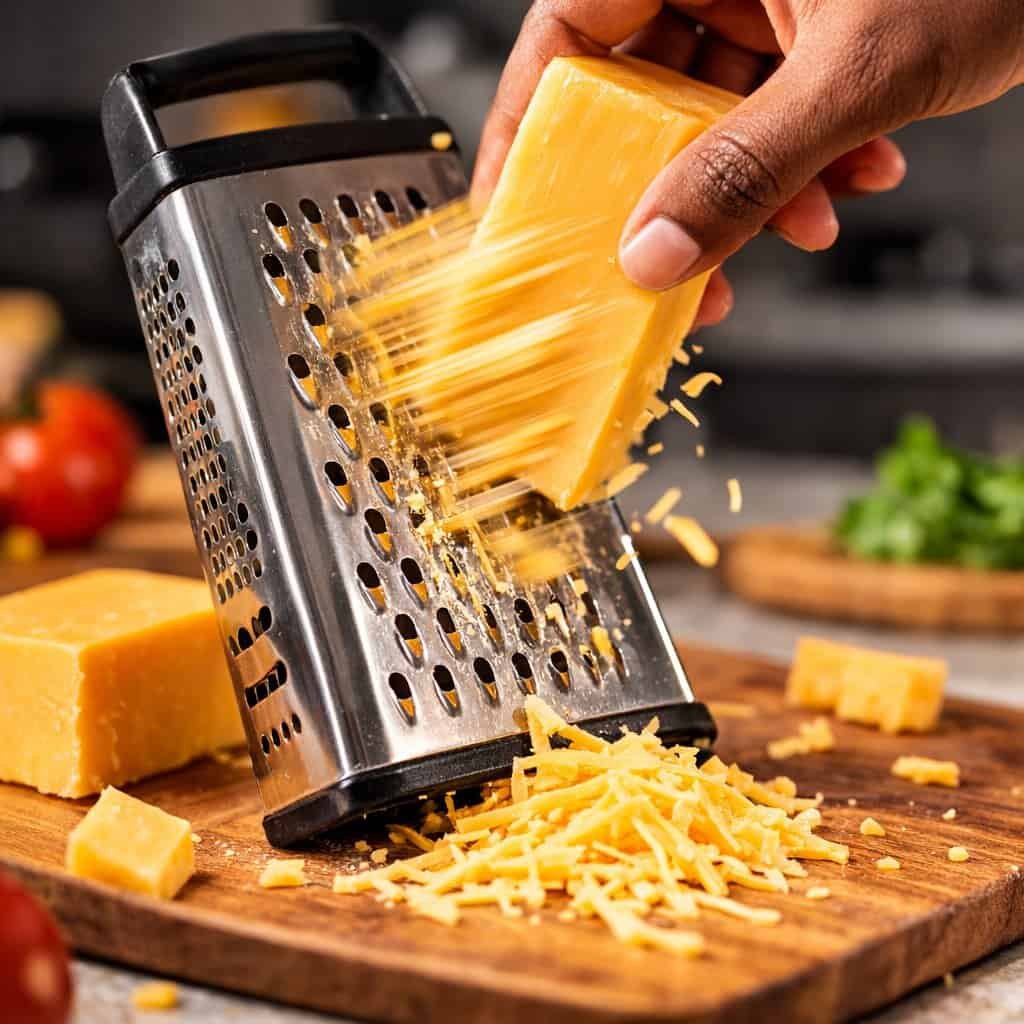
When you grate too fast, control is lost. The motion becomes uneven, pressure varies, and the ingredient may slip more easily. As a result, the texture becomes inconsistent and the process feels harder than it should be.
In addition, moving too quickly increases the risk of accidents. Fingers get closer to the grater, and the lack of control makes slips more likely.
Instead, slowing down slightly allows for a smoother and more controlled motion. This not only improves the final result but also makes the process safer and less stressful.
Over time, you’ll find that working at a steady pace is actually more efficient than rushing.
Why Too Much Pressure Ruins Texture When Grating
Another common issue is applying too much pressure while grating.
It’s easy to assume that pressing harder will speed things up. However, this often has the opposite effect. Instead of clean, even strands, the ingredient becomes crushed or broken.
This is especially noticeable with softer foods like cheese or certain vegetables. Too much force compresses the ingredient, leading to uneven texture and less appealing results.
A lighter touch works far better. When you allow the grater to do the work, the motion becomes smoother and the output more consistent.
In addition, using less pressure reduces strain on your hands, making the process more comfortable over time.
Letting Ingredients Slip While Grating
Control plays a major role in achieving consistent results.
When the ingredient slips or shifts during grating, the motion becomes uneven. This leads to irregular cuts and increases the chances of wasted pieces.
In some cases, it can also become a safety issue. A slipping ingredient can cause your hand to move closer to the grating surface unexpectedly.
To avoid this, it’s important to maintain a steady grip. Holding the ingredient firmly without squeezing too tightly allows for better control and smoother motion.
Positioning also matters. Keeping the grater stable and working at a comfortable angle helps reduce unnecessary movement.
Small adjustments like these can significantly improve both safety and consistency.
Grating Mistakes That Create Mess and Waste Ingredients

A messy countertop is one of the most frustrating outcomes of poor grating technique.
When food scatters everywhere, it not only creates extra work but also leads to wasted ingredients. Small pieces fall off the surface, and what should have been used ends up discarded.
This often happens when there is no system in place to collect the grated food.
Instead of working on an open surface, using a setup that contains the ingredients as you grate can make a huge difference. It keeps everything in one place, reduces clean-up time, and ensures that nothing goes to waste.
A cleaner setup also improves focus, allowing you to concentrate on the process rather than managing the mess.
Why You’re Wasting the Last Portion Without Realising
The final part of the ingredient is where a lot of waste occurs.
As the piece becomes smaller, it becomes harder to hold and control. Many people either stop too early and throw it away, or continue too long and risk slipping.
This is where awareness makes a difference.
Knowing when to stop and how to handle the remaining portion safely helps reduce unnecessary waste. In some cases, saving the last piece for another use can also be a practical solution.
Over time, these small adjustments contribute to more efficient food preparation and less overall waste.
If you’re noticing food waste during prep, it’s not just grating peeling matters too:
Vegetable Peeler Carrot Strips: Easy Method That Works
Grating Mistakes Caused by Poor-Quality Graters
Sometimes, the issue isn’t technique at all it’s the tool being used.
A low-quality or blunt grater can make even simple tasks feel difficult. Instead of smooth motion, you experience resistance. Instead of clean cuts, you get uneven results.
This can lead to frustration and make the process feel more complicated than it actually is.
Using a well-designed grater changes the experience entirely. It allows for smoother motion, better control, and more consistent results.
Check a reliable multi-purpose grater here
How the Right Grater Helps You Avoid These Grating Mistakes

When the right technique is combined with the right tool, the process becomes much easier.
A good grater provides:
- Stability during use
- Multiple surfaces for different textures
- Better control over movement
- A cleaner setup
As a result, you spend less time adjusting your method and more time achieving consistent results.
Instead of working against your tools, everything begins to feel more natural and efficient.
A clean and efficient kitchen setup goes beyond prep tools. This guide covers proper care:
How to Clean Cast Iron Properly and Keep It in Great Condition
Fix These Grating Mistakes and Improve Your Food Prep Today

Grating doesn’t need to feel frustrating or messy.
Once you understand these grating mistakes, you start to see how small changes can transform your results.
Cleaner texture.
Less waste.
Better control.
And in many cases, it’s not about putting in more effort it’s about using the right approach.
If you want a smoother and more efficient way to prepare your ingredients, this is a great place to start.
View multi-purpose grater here
Using the right grater setup makes a noticeable difference in control and consistency:
DTDF 6-in-1 Multi-Purpose Grater