

A batch of homemade yogurt sitting in the fridge doesn’t come with an expiration date printed on the jar, and that’s exactly where the confusion starts. Store-bought yogurt has a use-by date stamped right on the lid. Homemade yogurt just has whatever mental math you’re willing to do, which usually isn’t much, and for a lot of people that gap in knowledge is the actual source of hesitation around making yogurt regularly in the first place.
The short answer is that most homemade yogurt holds up well for one to two weeks refrigerated, though several factors push that window in either direction. The longer answer is worth knowing, especially if you’re making yogurt regularly enough that a batch is always somewhere between “fresh” and “not sure anymore.”
How Long Does Homemade Yogurt Last?
A properly fermented and continuously refrigerated batch of homemade yogurt typically stays good for 7 to 14 days. That’s a wider range than most people expect, and the spread comes down to a handful of variables covered further down.
Plain yogurt tends to sit at the longer end of that range. Once you start adding fruit, honey, or other mix-ins, the timeline shortens, sometimes by several days, since those additions introduce more moisture and more opportunities for bacterial growth that isn’t part of the original culture.

Greek yogurt, which has had a portion of its whey strained out, generally holds up a bit longer than regular yogurt made from the same batch. Less liquid content means a slightly more stable environment, which is one of the underappreciated side benefits of straining beyond just texture. Anyone deciding whether it’s worth the extra straining step for this reason alone can find more detail on the process in the site’s Greek yogurt guide, linked further down.
| Type | Typical Refrigerated Shelf Life |
|---|---|
| Plain homemade yogurt | 10 to 14 days |
| Homemade Greek yogurt | 12 to 16 days |
| Yogurt with fruit or mix-ins added | 5 to 8 days |
| Yogurt left unrefrigerated 2+ hours | Discard |
What Determines How Long Homemade Yogurt Lasts?
Several variables push the shelf life of a given batch up or down, and most of them trace back to decisions made before the yogurt even finished fermenting.
Start with Fresh, High-Quality Milk
Milk quality matters first. Start with freshly opened pasteurised whole milk or fresh milk well before its expiration date to create a cleaner environment for the yogurt culture.
Sanitize Equipment Before Every Batch
Sanitation of equipment is the second big factor, and it’s one that’s easy to overlook once you’ve made a few batches and the process starts to feel routine. Sanitize jars, lids, strainers, and any tools that will touch the yogurt before each use by scalding them with boiling water or running them through a hot dishwasher cycle. Skipping this step doesn’t always cause an obvious problem right away, but it introduces stray bacteria that competes with the yogurt culture and can shorten how long the batch stays good.
Keep Your Refrigerator at a Safe Temperature
Refrigerator temperature is the third factor, and it’s the one most people assume is fine without ever checking. A fridge running above 40°F (4°C) shortens shelf life across the board, not just for yogurt. If you’ve never actually checked your fridge’s internal temperature with a thermometer, it’s worth doing once, since dial settings on many fridges are notoriously inaccurate. Recheck your fridge temperature every few months because worn door seals and rearranged shelves can cause it to drift over time.
Use a Reliable Yogurt Maker
The type of yogurt maker used plays a smaller, indirect role too. Machines with poor temperature regulation during fermentation can leave a batch slightly under-fermented, which sometimes means a less stable finished product going into storage. This is one more reason consistent fermentation temperature matters, something covered in more depth in the site’s roundup of 5 best yogurt makers for anyone shopping with reliability in mind.
How to Tell If Homemade Yogurt Has Gone Bad
Don’t Mistake Whey Separation for Spoilage
People often mistake normal changes in homemade yogurt for spoilage, even though many of these changes don’t indicate a problem.
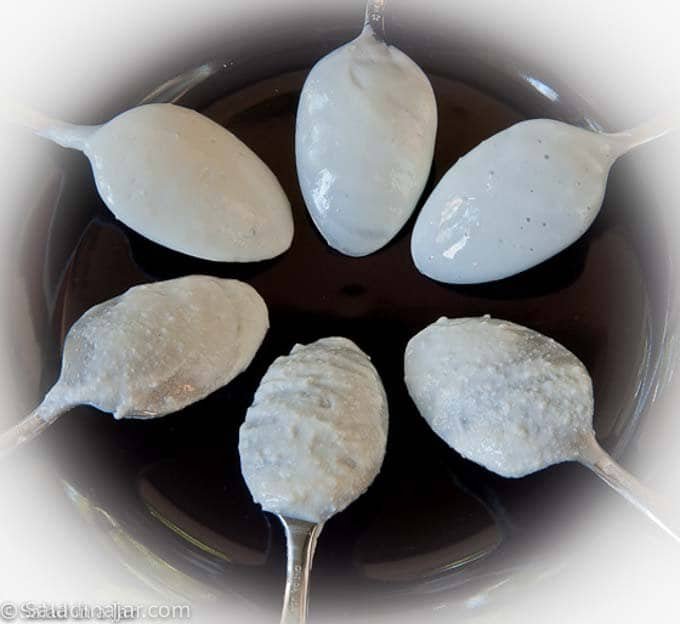
Watery liquid pooling on top of a batch is not spoilage. That’s whey naturally separating, and it happens to varying degrees in almost every homemade batch, more so the longer it sits. Stirring it back in is fine, and some people prefer to just pour it off since it concentrates the yogurt further, similar to a light version of straining.
A Tangier Flavour Is Usually Normal
A stronger, more sour tang developing over the storage period is also normal. Homemade yogurt keeps fermenting very slowly even under refrigeration, since cold slows bacterial activity but doesn’t fully stop it. Homemade yogurt naturally develops a tangier flavour over time, so a batch that tastes mild on day two may taste noticeably tangier by day ten without indicating a problem.
Signs Your Homemade Yogurt Has Gone Bad
What actually signals spoilage is different, and worth knowing clearly. Discard the entire batch as soon as you notice mould on the surface, regardless of its colour, because mould always indicates that the yogurt is unsafe to eat. A strong off smell, distinctly different from yogurt’s normal tang, veering into something rancid or yeasty, is another clear signal. Pink, orange, or fuzzy discoloration anywhere in the jar means the same thing. Watch for a slimy texture, as it often means unwanted microorganisms have started growing instead of the intended yogurt culture.
Learn to Recognise the Difference with Experience
Recognising these signs takes practice. During your first few batches, you may struggle to tell the difference between a slightly stronger but normal aroma and one that signals spoilage. Experience with your own batches over a few cycles tends to make the distinction clearer than any written description can.
If your yogurt develops mould, an unpleasant odour, or a slimy texture, discard it immediately. You can find additional food safety advice on recognising when food is no longer safe to eat.
Freezing Homemade Yogurt
Freezing extends shelf life well beyond the refrigerated window, generally up to two months, though it comes with a real texture tradeoff worth knowing about before committing a whole batch to the freezer.
Once thawed, homemade yogurt tends to separate more than it did before freezing, with a noticeably grainier texture than fresh yogurt has. This happens because ice crystals disrupt the protein structure that gives yogurt its smooth consistency. Stirring vigorously after thawing helps somewhat, but it rarely returns all the way to the original texture.
Frozen yogurt tends to work better in cooked or blended applications than eaten plain. Smoothies, baking, and marinades mask the texture change effectively, while a bowl of thawed yogurt eaten on its own tends to disappoint compared to fresh. If freezing is part of your regular routine, portioning into smaller containers before freezing makes more sense than freezing one large batch, since you only thaw what you’ll actually use rather than defrosting the whole thing at once.
One detail worth adding here: labeling frozen portions with both the date made and the date frozen helps avoid confusion later, since the two-month freezer window starts from when the yogurt went in, not from the original fermentation date.
Storage Habits That Extend Shelf Life
A few habits make a real difference in how long a batch stays good, beyond just the fermentation and sanitation steps already covered.
Using a clean utensil each time you scoop yogurt from a shared container helps prevent contamination and keeps the yogurt fresher for longer. Use a clean spoon every time you serve yogurt. Use a clean spoon every time to prevent unwanted bacteria from entering the yogurt and disrupting its beneficial culture. This is one of the more common, quietly overlooked causes of a batch going bad faster than expected.
Storing yogurt toward the back of the fridge, rather than in the door, keeps it at a more consistent temperature. Door shelves see more temperature swings every time the fridge opens, which adds up over a week or two of storage.
And keeping the lid sealed between uses, rather than leaving a container cracked open in the fridge, slows both moisture loss and the yogurt’s exposure to whatever else is sharing fridge space, which sounds minor but genuinely helps. For anyone whose fridge is already crowded enough that yogurt containers get shuffled around constantly, a look at 8 essential food storage containers might help with keeping things organized and properly sealed, since containers that seal poorly undo a lot of the benefit of careful fermentation and sanitation in the first place.
Store homemade yogurt in the refrigerator at 5°C or below to help maintain its quality and reduce bacterial growth. For more information, see the food storage guidelines.
How This Compares to Store-Bought Yogurt
Store-bought yogurt typically carries a longer printed shelf life than homemade batches, often three to four weeks unopened, and that gap comes down to more than just marketing caution.
Commercial yogurt production happens in controlled, sanitized industrial environments, and many brands add stabilizers or use processing methods specifically aimed at extending shelf life. Homemade yogurt, made in a kitchen with home equipment and without those additives, is a genuinely different product, closer to what yogurt looked like before industrial production standardized the category. That’s not a downside so much as a tradeoff. A dtdf home and kitchen batch made fresh at home won’t match a store carton’s printed date, but it also isn’t carrying the same preservatives.
Opening a store-bought yogurt container reduces its shelf life to about 1 to 2 weeks because it exposes the yogurt to the same environmental factors that affect homemade yogurt from the start. This is worth remembering the next time a printed date feels like a meaningful comparison point against something made at home. Opening the carton creates different storage conditions, so you can’t directly compare its shelf life with that of an unopened container.
A Practical Note on Batch Timing
Keep a steady supply of homemade yogurt by starting your next batch a few days before your current one runs out. This keeps a fresh batch fermenting and ready right as the older one starts approaching the end of its window, instead of having a gap where there’s no yogurt in the fridge at all.
Label each container with the date you made the batch instead of relying on your memory. This simple habit removes the guesswork. A strip of masking tape and a marker solves this more reliably than memory does, especially in a household where more than one person is making or eating from the same batches. It’s a small habit, but the households with the fewest “wait, is this still good” conversations are almost always the ones doing this consistently.
Where Straining Fits Into This Timeline
The straining process helps Greek-style yogurt last slightly longer than regular yogurt, so this difference isn’t simply a coincidence. Straining simply removes liquid, and less liquid means less room for bacterial activity to accelerate over the storage period. This is one more practical reason to strain a batch even if the goal isn’t specifically Greek yogurt’s texture, purely for the modest shelf-life benefit that comes along with it. Readers weighing whether straining is worth the extra step can find the full process covered separately, since the technique itself is straightforward regardless of which machine produced the original batch.
Frequently Ask Questions
Can I tell if homemade yogurt has gone bad just by smell?
Smell is one of the more reliable indicators. A healthy batch should smell tangy and slightly sour. Discard it if it develops a sharp, rancid, or yeasty smell instead.
Does the type of milk used affect how long the yogurt lasts?
Yes. Fresher milk closer to the start of its own shelf life tends to produce a batch that lasts longer than milk that was already close to its own expiration date before fermentation began.
Is it safe to eat homemade yogurt past two weeks if it still smells fine?
It’s generally safer to treat two weeks as a reasonable outer limit rather than relying only on smell, since some spoilage isn’t always obvious through scent alone. When in doubt, checking for the visual and textural warning signs covered above is a better call than smell alone.
Why does my homemade yogurt get more watery the longer it sits in the fridge?
That’s whey separating naturally over time, and it’s normal rather than a sign of spoilage. Stirring it back in or pouring it off both work fine, depending on preference.
Does adding fruit or honey to a batch shorten how long it lasts?
Yes, noticeably. Mix-ins introduce extra moisture and their own bacterial exposure, which shortens shelf life compared to plain yogurt. Adding fruit to individual portions right before eating, rather than mixing it into the whole batch, helps the unmixed portion last longer.
Does the yogurt maker itself affect how long a batch will keep?
Indirectly, yes. A machine that holds temperature poorly during fermentation can produce a slightly under-set batch, which tends to be less stable in storage. Consistent, well-regulated fermentation gives a batch the best possible starting point for a full shelf life.
For more on choosing reliable equipment that supports consistent fermentation, the 5 best yogurt makers roundup breaks down a few models worth considering for regular home use.