
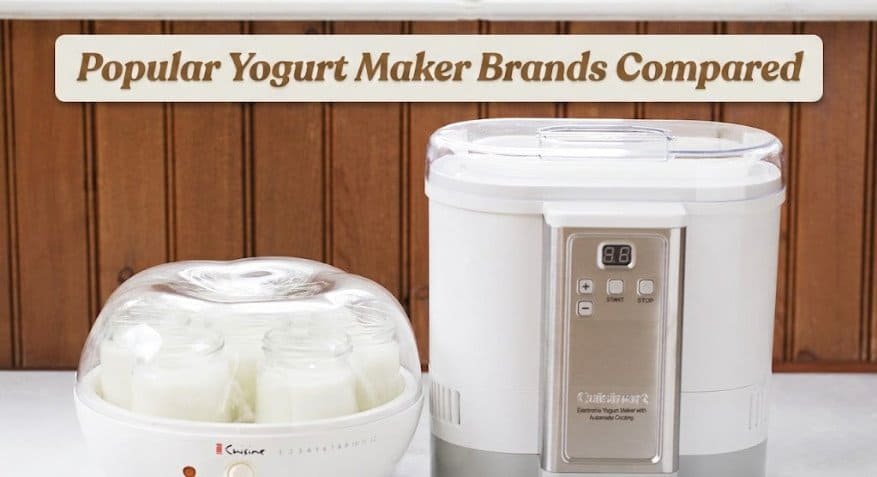
A lot of yogurt maker brands shopping comes down to comparing specs that don’t actually predict how a machine performs. Many people assume that a higher wattage means better performance, but in reality, nearly every yogurt maker brands uses low, steady heat and consumes very little electricity. The differences that actually affect your results are less obvious, and they don’t always show up clearly on a product listing.
This comparison walks through the major categories of yogurt makers brands commonly consider, what tends to separate a good one from a mediocre one, and where marketing claims and actual performance tend to diverge.
The Wattage Myth, and What Actually Matters Instead
Many first-time buyers check the wattage listed in a product’s specs and assume higher power means more stable heating and a thicker, creamier finished yogurt. It’s an understandable assumption, and it’s also mostly wrong. Yogurt fermentation happens at a low, steady temperature that doesn’t require much power to maintain, so wattage tells you almost nothing about how well a machine will actually perform.
The parameters that genuinely determine set quality and how well the bacterial culture survives the process rarely get top billing on a product page. Three of them matter more than anything else.
Temperature control accuracy
comes first. The ideal fermentation range for common yogurt cultures sits around 100°F to 108°F (roughly 38°C to 42°C), and even a swing of a couple of degrees outside that window for extended periods can slow bacterial activity enough to affect thickness and how well the culture holds up through the cycle.
Uniform heating across the fermentation chamber
comes second. This matters most in jar-style machines, where jars sitting closer to the heating element can finish noticeably firmer than jars positioned further away, sometimes leaving part of a batch properly set while another part is still loose.
Sealing and heat retention
round out the list. A poorly sealed lid allows moisture to enter or heat to escape unevenly during fermentation. It also reduces the yogurt’s ability to retain heat after the fermentation cycle ends, increasing the risk of spoilage before refrigeration.
Jar-Style Yogurt Maker Brands

Jar-style yogurt maker brands make up the largest share of the home market. These models ferment yogurt in a set of small glass or ceramic jars placed inside a heated base. Popular yogurt maker brands such as Euro Cuisine and Dash dominate much of the budget end of this category.
The operating process is about as simple as small appliances get. Portion the milk and starter into individual jars, place them in the heated base, and run the fermentation cycle for approximately 8 to 12 hours. Once the cycle finishes, you can refrigerate the jars immediately without transferring the yogurt to separate containers. This design also lets different family members prepare different flavours because each jar ferments independently.
Most budget yogurt maker brands share one common drawback. Their heating elements usually sit only at the base of the chamber, which can leave the upper jars slightly cooler than those near the bottom. Combined with less precise thermostats, this uneven heat distribution often causes inconsistent fermentation. Budget models may also include lids that do not seal as tightly as those on premium units, which can affect longer fermentation cycles.
These machines suit smaller households well, particularly people making small batches for one to three people who value the built-in portioning more than raw fermentation precision. For Greek yogurt specifically, the tradeoff is that straining becomes a jar-by-jar task rather than a single-batch operation, which isn’t difficult, just more repetitive. This is covered in more depth in best yogurt makers for probiotic-rich snacks.
Single-Container Yogurt Maker Brands
How Single-Container Yogurt Makers Work
Brands including Cuisinart and the higher-end Euro Cuisine lineup have released single-container machines that work on an entirely different design logic than jar-style units. Instead of splitting the batch across several small jars, the whole batch ferments together in one larger vessel.
Digital Features That Improve Convenience
Most machines in this category ship with two features as standard: digital temperature control and a programmable timer. That combination delivers two real advantages.
Why Single-Container Models Are Better for Greek Yogurt
First, making Greek yogurt becomes much simpler because you can strain the entire batch in one large strainer instead of pouring each jar individually.
Larger Batches for Regular Yogurt Makers
Second, single-batch output tends to be larger than what a comparable jar-style unit produces, which suits households making yogurt in bulk on a regular basis.
The trade-off is that single-container machines don’t support built-in portioning. If you usually grab a pre-portioned jar from the fridge, you’ll need to divide the finished yogurt into your own storage containers after fermentation. Although this adds one extra step, most people find it quick and manageable.
Which Yogurt Maker Style Is Right for You?
People often compare these two formats by focusing on digital features, but you should base your decision on how you’ll use the finished yogurt each day. If you prefer grab-and-go single servings, choose a jar-style yogurt maker. Someone making Greek yogurt regularly, cooking with yogurt, or feeding a larger household tends to get more practical value from a single-container model.
| Feature | Jar-Style Machines | Single-Container Machines |
|---|---|---|
| Portioning | Built-in, per jar | Manual, after fermentation |
| Best for | Grab-and-go servings | Bulk batches, Greek yogurt prep |
| Straining for Greek yogurt | Jar by jar | One batch at once |
| Typical price tier | Lower to mid-range | Mid-range to higher |
| Cleaning | Multiple small jars | One larger container |
Multicooker-Based Yogurt Making Brands
Instant Pot and similar multicookers have included yogurt fermentation programmes for years, making them the default choice for many households that want to make yogurt without purchasing a dedicated appliance.

The appeal is straightforward. If you already own the appliance for pressure cooking or slow cooking, the yogurt setting adds a use case at no extra cost. Some models include a milk-scald step beforehand, briefly heating the milk to a higher temperature before cooling it back to fermentation range, which some people believe produces a thicker result, though the effect varies depending on the milk used.
The fermentation quality itself is genuinely comparable to a dedicated yogurt maker, and the core tradeoff isn’t performance, it’s availability. Running a multicooker through a six-to-twelve-hour yogurt cycle means it’s unavailable for pressure cooking or anything else during that stretch. For anyone who already owns one of these appliances, testing the built-in function before buying a dedicated machine is a reasonable first step, since there’s no real downside beyond tying up the appliance temporarily.
Built-In Strainer Models
A smaller category of machines, often marketed directly as “Greek yogurt makers,” include a built-in strainer basket sitting inside the fermentation container itself. Once the batch sets, the basket lifts straight out and drains, skipping the cheesecloth-and-bowl setup entirely.
Luvele is one of the more recognized names building specifically around this format, typically pairing the strainer basket with a larger single-container fermentation tank.”Greek yogurt maker” is one of the few product labels that reflects a genuine functional difference rather than a marketing claim based on a slightly adjusted fermentation timer.
That said, the basket only optimizes the post-fermentation processing step. It doesn’t change the culturing process. You can produce the same yogurt in a basic machine and strain it by hand. These units sit at a higher price point than standard machines, and the extra cost buys convenience, not better yogurt.
Warranty Terms and Build Quality
Warranty length varies considerably among yogurt maker brands. Basic models typically include a one-year warranty, while higher-end machines sometimes extend coverage to several years. A longer warranty often indicates that a manufacturer has greater confidence in the durability of its internal heating components. However, it’s important to understand what the warranty actually covers. It usually provides a replacement if the machine malfunctions, but it won’t compensate you for a batch of yogurt lost if the machine fails during fermentation.Warranty length varies meaningfully across this category. Basic models typically carry a one-year warranty, while higher-end machines sometimes extend coverage to several years. A longer warranty is a reasonable signal that a manufacturer trusts its internal heating components to hold up over time, though it’s worth remembering what a warranty actually covers: replacement for malfunction, not protection against a machine failing mid-cycle and costing you the batch you were counting on.
Build quality differences concentrate in two places: the accuracy of the base-mounted thermostat, and the material of the storage containers. Glass tends to be the better long-term choice for households making yogurt frequently, since it doesn’t retain odors and holds up better against scratching through repeated dishwasher cycles than BPA-free plastic does.
Price Tiers and What You’re Actually Paying For
Yogurt maker brands on the market roughly split into three price tiers. Basic jar-style models sit at the lowest tier and are genuinely capable of producing good yogurt, since fermentation itself doesn’t require expensive components. What’s missing at this tier is precise digital temperature control, program memory, and built-in straining.
Mid-range models typically add digital timers and steadier temperature regulation, and some include a larger single-container format. This tier tends to be the strongest value for households making yogurt regularly, since the added consistency reduces the odds of an uneven or failed batch without a major cost jump.
High-end models, including the built-in strainer category, produce yogurt that’s essentially identical in quality to a basic model paired with manual straining. The extra money at this tier buys reduced hands-on effort, not a better finished product.
Choosing Based on Actual Usage, Not Features
The core decision point for choosing a yogurt maker is production frequency and volume, not the length of the feature list on the box. A household making one or two batches a week for a small number of people is well served by a basic jar-style unit, and the 5 best yogurt makers roundup covers several cost-effective options in this category worth comparing directly.
A household regularly making bulk batches, particularly for Greek yogurt or general household cooking use, tends to get more practical value from a single-container digital model or a built-in strainer unit, even with the higher upfront cost, because the time saved compounds over repeated use.
Someone who already owns a multicooker with a yogurt function has a reasonable case for testing it before buying anything dedicated, since fermentation quality matches a standalone machine and the only real cost is occupying the appliance for the length of the cycle.
Common Mistakes When Comparing Brands
A few patterns come up again and again during this kind of purchase:
Assuming higher wattage predicts better fermentation. It doesn’t. Yogurt fermentation needs a stable, low temperature, not raw power, so wattage is a poor signal of actual performance.
Buying a jar-style machine specifically for Greek yogurt without planning for the added jar-by-jar straining step. It won’t make the machine unusable, but it’s worth knowing in advance rather than being caught off guard.
Assuming a “Greek yogurt” label on the box means the fermentation process itself is different. Outside the built-in strainer category, most of these labels reflect a minor timer adjustment rather than a genuine process change.
Prioritizing extra digital features while overlooking cleaning convenience. A machine with hard-to-reach jar lids or a base unit that can’t tolerate any moisture becomes a genuine chore over dozens of uses.
Disregarding warranty length entirely, then having no recourse if a heating element fails a year into ownership on a short-warranty budget model.
Assuming higher price always means a better fit. It often just means a mismatch between the machine’s design and what the household actually needs.
Kitchen Placement and Storage Considerations
Yogurt makers brands run unattended for six to twelve consecutive hours at a stretch, so where a unit sits on the counter matters more than it might seem. A spot that’s out of the way of regular traffic, with enough clearance nearby for the straining setup afterward, makes the whole routine noticeably less frustrating. Anyone reworking their broader kitchen layout around appliances like this might get some use out of kitchen layouts explained, since day-to-day appliance flow affects usability more than most layout decisions people focus on.
Storage is worth planning for too, particularly with jar-style machines and their collection of small glass jars. A dedicated shelf, rack, or bin keeps things from turning into loose clutter in a cabinet, and 10 smart kitchen organization is a reasonable place to look if counter and cabinet space is already tight.
Store homemade yogurt in the refrigerator at 5°C or below to help maintain its quality and reduce bacterial growth. For more information, see the food storage guidelines.
FAQs
Is a more expensive yogurt maker actually worth it, or is a budget model just as good?
For basic yogurt, a budget jar-style machine performs comparably to a higher-end model, since fermentation itself doesn’t require expensive components. The extra cost on higher-end machines buys convenience, digital precision, larger batches, or built-in straining, not fundamentally better yogurt.
Do multicooker yogurt settings work as well as dedicated machines?
Generally yes. The fermentation process and temperature range are comparable, and the main tradeoff is tying up a multi-purpose appliance for the length of the cycle rather than using a standalone unit.
What’s the biggest practical difference between jar-style and single-container machines?
Jar-style machines give built-in portion control but require straining jar by jar for Greek yogurt. Single-container machines simplify batch straining but require manual portioning afterward.
Are built-in strainer machines worth the extra cost?
If you make Greek yogurt regularly and want to skip the cheesecloth-and-bowl setup, yes, the convenience is genuine. If manual straining doesn’t bother you, a standard machine paired with a simple strainer setup achieves the same result for less money.
Does a longer warranty actually indicate a better machine?
It’s a reasonable signal of expected component durability, though it mainly protects against replacement cost rather than guaranteeing better fermentation. Build details like glass versus plastic containers tend to affect day-to-day use more.
For a closer look at budget-friendly options across this category, the 5 best yogurt makers roundup breaks down several jar-style models worth comparing side by side.