
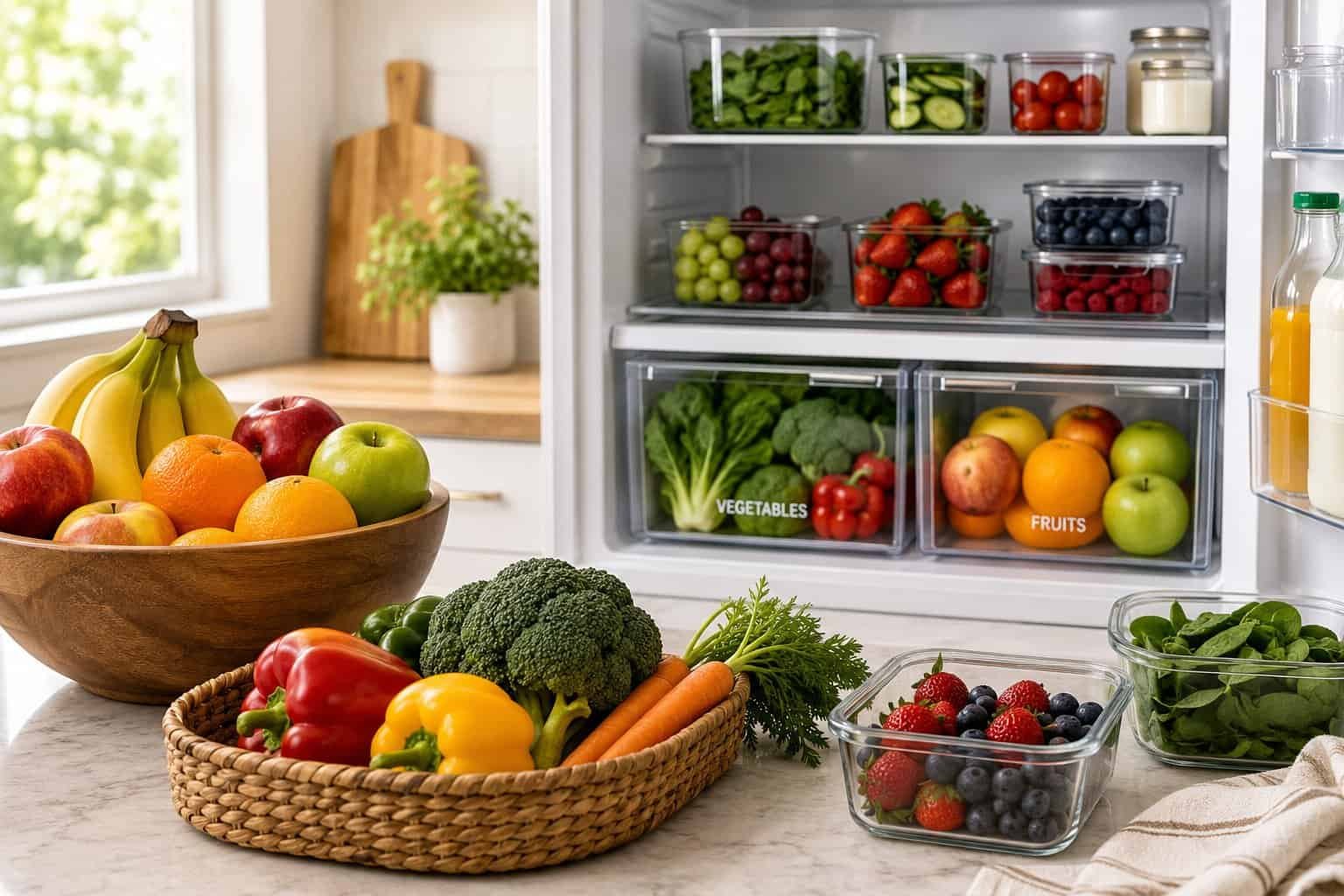
Studies on global food waste consistently show that households throw away roughly one-third of the fresh ingredients they buy before using them. Contrary to the common assumption that food waste mostly happens at restaurants and grocery stores, the USDA’s own guidance on food waste points to the home kitchen as the biggest source of the problem. Many people assume the main triggers are over-purchasing and slow consumption, but the real issue, more often than not, is improper storage. The two most widespread mistaken habits are putting all ingredients into the refrigerator uniformly, and storing every type of fruit and vegetable together without sorting them by category.
1. Why Some Fresh Foods Must Never Be Stored in the Refrigerator
Low temperatures damage the flavor enzymes in tomatoes, leaving them bland and mealy. For potatoes and onions, their starch converts to sugar too quickly under cold conditions, and this creates an abnormal sweetness while also leading to uneven cooking.Refrigerating unripe produce, including bananas, avocados, and stone fruits such as peaches and plums, too early can almost completely stop the ripening process, preventing the fruit from ever reaching its proper edible state.
The fix is straightforward. Place unripe ingredients on the kitchen counter first, and move them to the refrigerator only once they’ve fully ripened. Storing fruit in a wooden fruit bowl or on a tiered rack offers another advantage: you can see it easily, making you less likely to forget about it than produce tucked away in a crisper drawer. Readers reworking their kitchen setup around this kind of everyday habit might also get some use out of this guide to smart kitchen organization.
2. The Hidden Risk of Ethylene Gas That Doesn’t Get Enough Attention
Fruits that release ethylene gas include apples, bananas, avocados, and pears. The upside of ethylene is that it accelerates the ripening of whatever sits nearby, which is genuinely useful for speeding up an underripe avocado. Store those fruits separately because they release ethylene gas, which speeds up spoilage in lettuce, broccoli, leafy herbs, and other ethylene-sensitive produce. Spoilage in the sensitive produce increases drastically. Storing the two types separately can extend the shelf life of the sensitive items by several days, sometimes longer.
These kinds of storage questions are, in fact, some of the most common ones the Dtdf Home And Kitchen team hears from readers, which says something about how little accessible guidance exists on the subject. Many people assume fast-wilting leafy greens simply have poor natural staying power, but that’s one of the most common misconceptions in home produce storage. The actual cause is usually whatever fruit is sitting right next to them.
To store fruit and vegetables correctly, divide produce into three groups based on how it interacts with ethylene:
Ethylene producers (store away from sensitive produce): apples, bananas, avocados, pears, tomatoes, stone fruit
Ethylene sensitive (spoil faster when exposed): lettuce, broccoli, cabbage, leafy greens, herbs, cucumbers
Largely unaffected either way: citrus fruit, potatoes, onions, winter squash
The USDA’s produce storage guidance backs this up directly, recommending that ethylene-producing fruit be kept as far as possible from ethylene-sensitive items in the refrigerator, and that certain ethylene producers shouldn’t be refrigerated at all until ripe.
3. Crisper Drawers Aren’t Interchangeable
Beyond where produce sits relative to other produce, there’s a second widespread habit that’s almost universally wrong: using both crisper drawers interchangeably. Most people have no idea the humidity settings on those drawers serve two distinct purposes. The high-humidity drawer locks in moisture, which suits leafy greens, herbs, and broccoli that dry out and wilt easily. The low-humidity drawer actively vents moisture out, which suits fruit, since trapped humidity around fruit speeds up mold rather than preventing it.
The adjustment takes about five seconds, and hardly anyone bothers making it, mostly because there’s so little accessible information explaining why the setting even exists in the first place.
A couple of smaller, practical additions worth mentioning here: loosely wrapping leafy greens in a slightly damp paper towel before bagging them can extend their shelf life by close to a week. And stackable food storage containers with built-in ventilation tend to outperform reused takeout boxes or plastic bags by a wide margin, since they’re designed around airflow rather than a simple airtight seal.
4. Meal Prep Without Speeding Up Spoilage
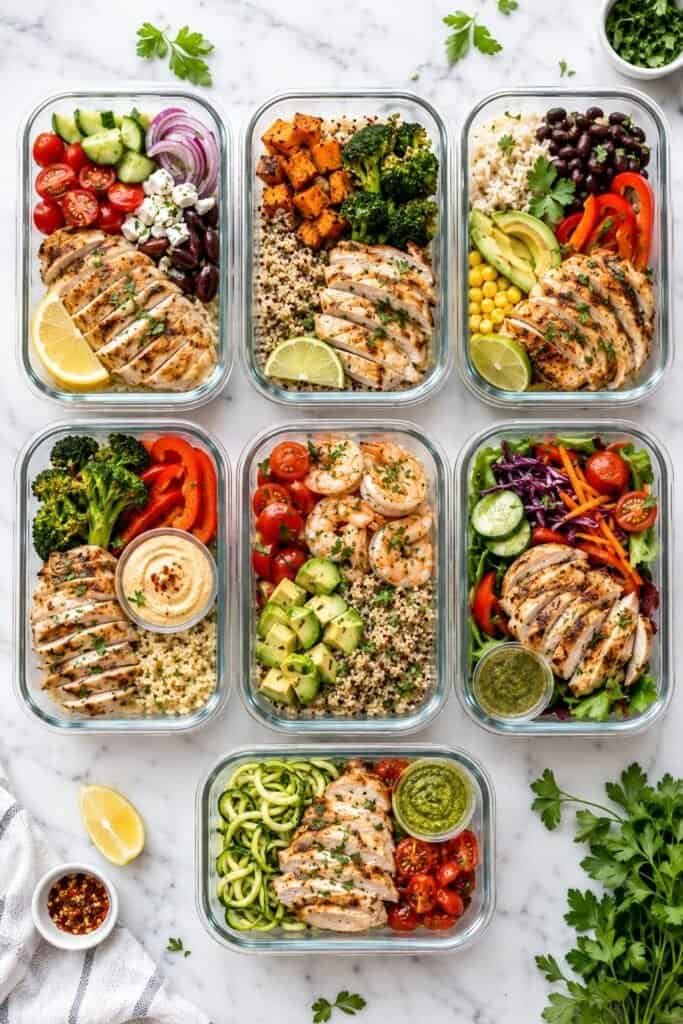
There’s a real tension in meal prep culture. Washing and cutting vegetables ahead of time saves time during the week, but oxidation and moisture loss at the cut surface shortens shelf life considerably. The workaround is to treat different produce differently rather than prepping everything the same way.
Hardier, longer-lasting vegetables such as carrots, bell peppers, and celery hold up fine pre-cut, submerged in water, and stored in sealed glass storage jars for several days. Leave more perishable items, including leafy greens, herbs, and mushrooms, whole and prepare them only just before cooking. Households working through a full week of meals at once might also find it useful to look at this low-stress weeknight meal prep guide, which deals with timing and storage together rather than as separate concerns.
One smaller tip worth trying: bananas release ethylene primarily from their stems, so wrapping the stem end of an entire bunch in foil or plastic film slows that release noticeably. Testing this side by side with an untreated bunch from the same purchase tends to show a meaningfully longer window before the bananas turn. Foil turns out to be useful for a lot more than this one trick, and a few more applications are covered in this piece on clever uses for aluminum foil.
Two Storage Mistakes Worth Correcting Directly
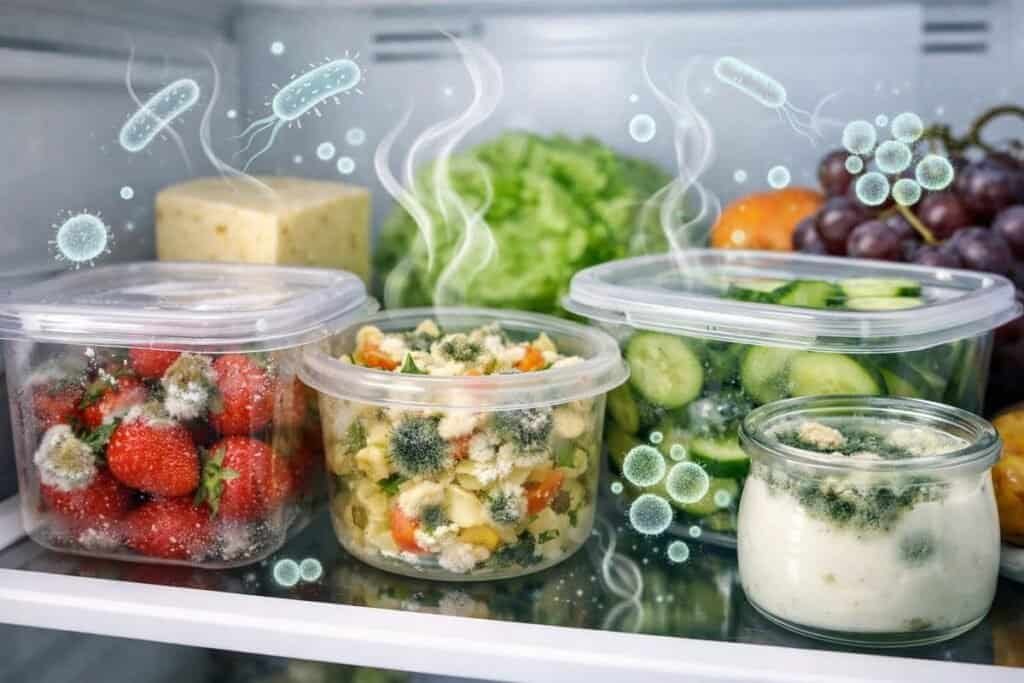
Many people believe that washing fruits and vegetables as soon as they bring them home, before refrigerating them, is the responsible thing to do. In fact, leftover surface moisture speeds up mold growth on berries, leafy greens, and grapes specifically. The better approach is to wash produce only right before eating or cooking with it.
The second mistake is assuming that a fully intact exterior means the inside is fine too. Produce like zucchini and cucumbers often spoils from the inside out first, turning soft, slimy, and developing an off smell while the exterior still looks completely normal. A quick smell check, when there’s any doubt, tends to catch the problem before it’s visible from the outside.
Frequently Asked Questions
Does refrigerating fruit stop it from ripening completely?
Not entirely; it drastically slows the ripening process rather than halting it outright.Store ripe fruit in the refrigerator to extend its shelf life, but keep unripe fruit at room temperature until it reaches the desired ripeness.
Are specialty produce storage bags worth buying?
Micro-perforated bags do offer noticeably better humidity control for leafy greens and berries compared to standard plastic bags, so they’re worth the cost for those items specifically. For firmer vegetables like carrots or bell peppers, the difference is minor enough that it’s probably not worth spending extra.
Why do soft herbs like parsley and cilantro always go bad within a few days?
The issue is almost always storage method. Treating them like cut flowers, trimming the stems, standing them in a small jar of water in the fridge, and loosely covering the top with a plastic bag, extends their life well beyond what leaving them in their original packaging does.
Can slightly soft vegetables still be eaten?
In most cases, yes. Softness on its own doesn’t necessarily mean spoilage, particularly with produce like peppers or cucumbers that simply lose crispness over time. Sliminess, visible mold, or a sour smell are the actual warning signs that call for tossing something out.
Do cut fruits and vegetables release more ethylene than whole ones?
Not in any way that meaningfully affects storage. The bigger issue with cut produce is the exposed surface, which speeds up moisture loss and oxidation rather than increasing ethylene output.
Anyone looking to take this further, particularly around handling pre-cut vegetables without wasting food along the way, may want to read through this dedicated guide on peeling vegetables faster.